 Capital Wealth Daily
The Court Struck Down the Tariffs. The Checks Are in the Mail.
The End-of-Week Recap, from the August 14 Wall Street Journal. $9.6 billion of tariff refunds landing in earnings. The S&P at another record on a second soft inflation print. Data centers giving up on the grid and building their own power. And the Journal’s own desk confirming the one move we made this week.
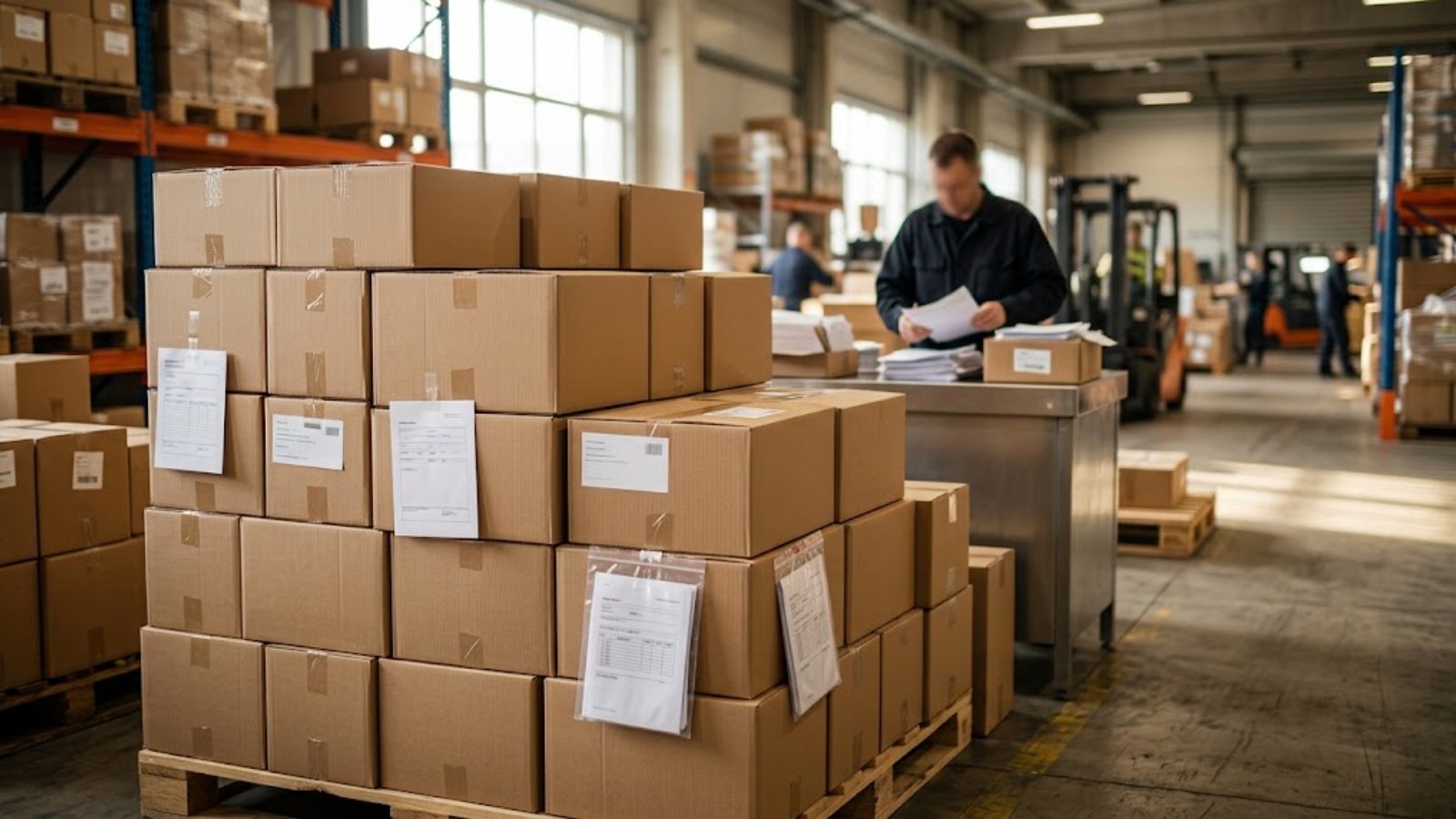
The Supreme Court struck down the tariffs. The checks are in the mail.
More than forty S&P 500 companies booked about $9.6 billion in tariff refunds this quarter. That came after the Court threw out the emergency-powers tariffs. Apple got about $2.2 billion, Amazon $800 million, and Ford expects some $3 billion. Customs has accepted $128.7 billion of refund claims for processing. It is the largest accidental earnings boost of the year, and almost nobody planned for it.
Our TakeA one-time legal windfall is not an earnings trend. Know which of your companies got a check and which got a business. Action: we bought nothing on refunds; where a refund flatters a quarter, we mark the underlying number and move on.
The Supreme Court struck down the tariffs. $9.6 billion in refund checks landed in earnings.
86% of S&P companies beat earnings, the widest margin since records began in 2008.
TIPS at 3% real was the week’s best idea. The Journal agreed two days after we bought.
Data centers gave up on the grid. Chevron powers Microsoft, Williams powers Meta. Both are ours.
Washington defended the yen. That quiet move steadied everything else.
Markets · The Money File
7 stories · 3 pictured · 4 listed
Heard on the Street filed nine columns. One verdict on our themes.
When the skeptics’ desk agrees with you twice in three days, you write down what would make you wrong. We did.

The Journal made our case for us. Inflation protection is on sale.
This is the week’s one genuine action, now double-sourced. LTPZ joins the income sleeve, tax-deferred accounts only. Ladder shorter maturities alongside it if you want the flexibility. And remember, TIPS track headline CPI, groceries and gasoline included.
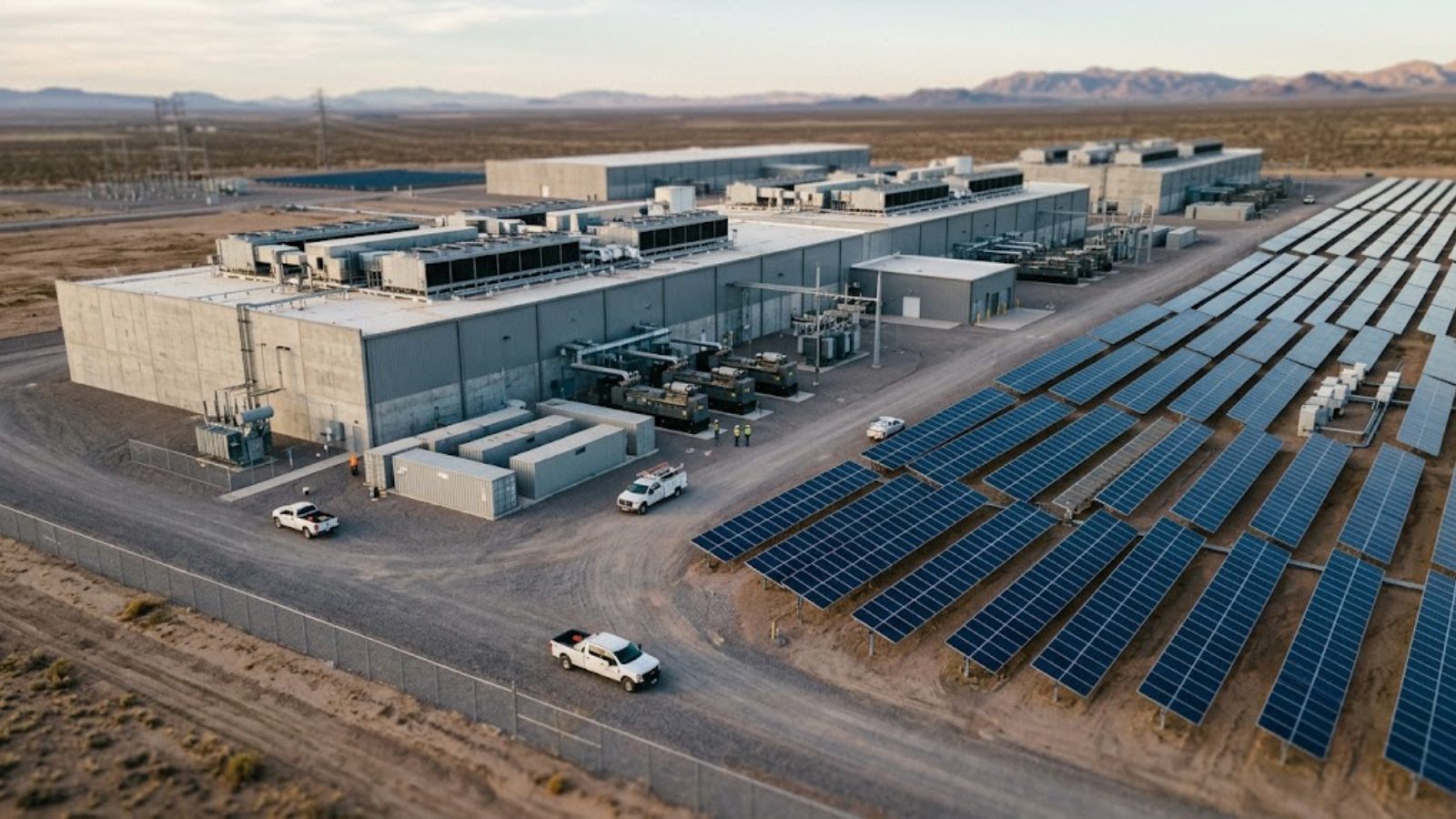
The data centers gave up on the grid and started building their own.
Bring-Your-Own-Power is the thesis the energy sleeve was waiting for. CVX and WMB are no longer just oil-and-toll holdings. They’re AI infrastructure with a dividend. REINFORCE both; this is the strongest confirmation the sleeve has had.
- Currencies · The Intervention FileAmerica defended the yen by selling euros. Read that twice.
- Credit · The Liquidity FileThe richest sports sale in history happened because the seller needed cash.
- Markets · The Humility FileTwo lessons in expectations: a World Cup that broke StubHub, and Ackman rebuilding.
- Markets · The Round-Trip FileChips fell 29%, then rose 19% in nineteen days. Nothing changed but the mood.
Off Duty · The Human File
7 stories · 3 pictured · 4 listed
The Wine at Mile Twenty.
Involvement compounds. Obligation corrodes. The plan that looks best on paper is rarely the plan that survives year eleven.
Greece’s island ferries have earned a nickname: the vomit comets.
File this with last week’s unstoppable American tourist. The travel line in a retirement plan is real spending that deserves real planning. Including, apparently, dramamine.
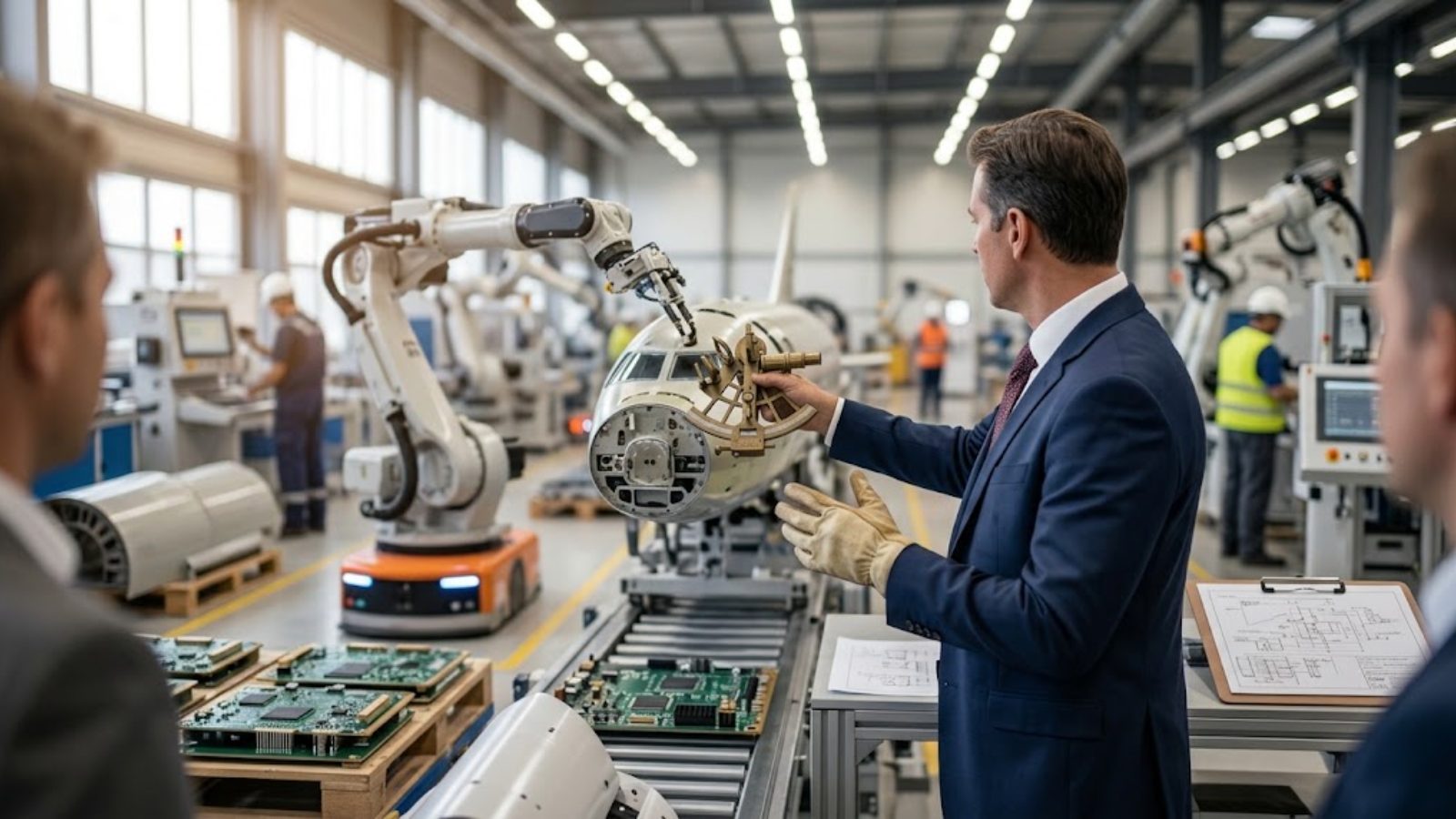
Tim Cook’s last tour: a Texas factory, a $600 billion promise, and the door.
Succession at the most valuable company in the world is a governance event, not a product event. It lands as Apple’s memory-chip costs and China exposure are both live questions. AAPL stays a WATCH, not an add.
- Trade · The Bottleneck FileChina is building more cars than the world has boats to carry.
- The World · The Legacy FileCuba threw a hundredth birthday party. The lights kept going out.
- Sports · The Growth FileThe WNBA has never been bigger, or messier.
- The Week · The Verdict FileFive papers, one week: what we actually learned.
From the desk Bias, the book, what’s priced, the planopen
Three editions, one arc. The market earned its records (86% of companies beat, by the widest margin since 2008). Inflation cooled just enough to buy the Fed a month. The Supreme Court mailed corporate America $9.6 billion in tariff refunds. Against all that noise, the best idea in five days of newsprint was boring. A government bond paying 3% above inflation, which the Journal’s own desk called a bargain two days after we bought it. The portfolio made two moves this week and both were defensive. TIPS in, Pfizer out. In a week of records, that is the right direction of travel.
- S&P 7,798.99 +0.5% wk (RECORD)
- DJIA 53,839.99 −0.4% wk
- NASDAQ 26,803.03 +0.4% wk
- 10Y4.640%
- 2Y4.139%
- OIL $81.25 +3.9% wk
- GOLD $4,363.60 +0.5% wk
- Trump and Musk reconcile; Musk pledges $100M to midterm turnout
- A decoy Air Force One and a catering truck in Ankara
- Jobless claims 209,000, PPI flat, a second soft inflation print
- Apple’s Texas Mac Mini line and a $30B American-chip pledge
- DeepMind’s Hassabis pitches an IAEA for AI
- A carrier at sea 250 days with supply shortages
- Harvard’s antisemitism suit dismissed
- The Kennedy Center to close two years for a renaming
- Lenovo +20% on AI infrastructure
- Cisco beats and falls 8.4% anyway
- Workday +18% on a Silver Lake approach
- Maersk raises guidance through the war
- Britain’s economy grows fastest in the G-7
- Reform UK loses its polling lead to a candidate named Count Binface.
Three triggers. TIPS go in the IRA, never the taxable account. If you hold individual dividend payers, the Pfizer decision is the template (coverage, not yield). And if a company you own reported a tariff-refund quarter, ask us to mark the underlying number before you judge the trend.