Five newspapers, roughly two hundred pages, one week. Here is what actually mattered, stripped of everything that merely happened.
The short version: the market set records and earned most of them. Inflation cooled just enough to buy the Federal Reserve a quiet month. The Supreme Court accidentally handed corporate America nine and a half billion dollars. And the single best idea in five days of newsprint was a government bond.
What the week said
| The story | The number | Why it mattered |
|---|---|---|
| Earnings beat, hugely | 86% / +29% | The widest surprise since records began in 2008 — records with receipts |
| Inflation cooled | 3.4% | Enough to push September hold odds to 58% and quiet the hike talk |
| Tariff refunds landed | $9.6B | A legal windfall across 40+ companies — not an earnings trend |
| The UAE left OPEC | 2.2M bbl/d | Hormuz traffic down from 8.5M a month earlier, and oil barely moved |
| TIPS went on sale | ~3% real | The best inflation-protected yield in decades — the one thing we bought |
Two of those rows deserve translation. “86% / +29%” means 86% of big companies beat profit expectations, and beat them by 29% on average — the widest surprise since this record began in 2008. And “~3% real” means an inflation-protected government bond now pays about 3 percentage points more than inflation, every year.
The inflation number matters for one simple reason: at 3.4%, it was cool enough to push the odds of the Federal Reserve holding rates steady in September to 58%. Holding steady means leaving interest rates unchanged. The cool reading also quieted the talk of another increase.
The two things we did
Both moves were defensive, in a week of records. That is not an accident.
We added a starter position in long-term inflation-protected Treasury bonds — TIPS, bonds whose payments rise with inflation. They pay roughly 3% above inflation, guaranteed by the Treasury, and we hold them in tax-deferred accounts only. Two days later the Journal’s own analysis columnists published the same case, and then published it again on Friday. When the professional skeptics agree with you twice in three days, you take the yield — and you write down what would make you wrong.
And we closed our Pfizer review with a decision to trim. Pfizer pays a 6.9% dividend that consumes nearly all of its free cash flow — the cash left over after running the business. A payout that large, funded that thinly, is not income. It is a countdown. That decision was owed since the first week of August, and it is now made.
What we declined
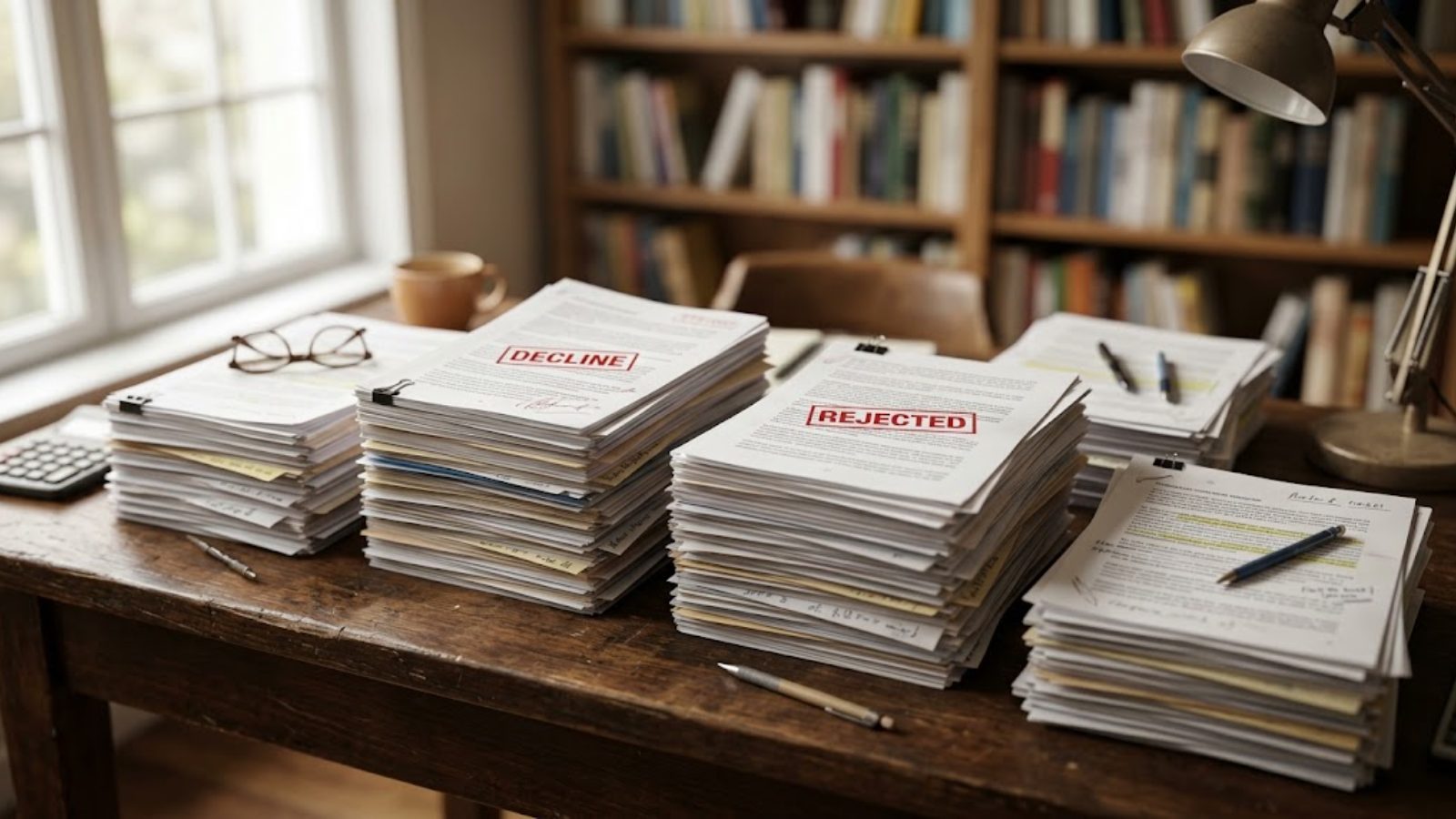
We did not chase the chip index, which fell 29% and then rose 19% inside nineteen trading days on no news at all. We did not buy the tariff-refund winners, because a one-time check from the government is not a business. We did not add a bank to the Capital Wealth Growth Portfolio, because that portfolio earns its keep by staying out of the credit cycle, not by owning it. And we did not touch private credit. Two separate stories this week pointed at the same soft spot: a fund counting unused credit lines as ready cash, and the richest sports sale in history driven by a seller who needed money.
The most useful discipline in a record week is the list of things you turned down.
The week in one sentence: earnings were real, inflation cooperated, the courts wrote checks, and the best available idea paid 3% above inflation for thirty years. That says more about where we are in this cycle than any record close does.