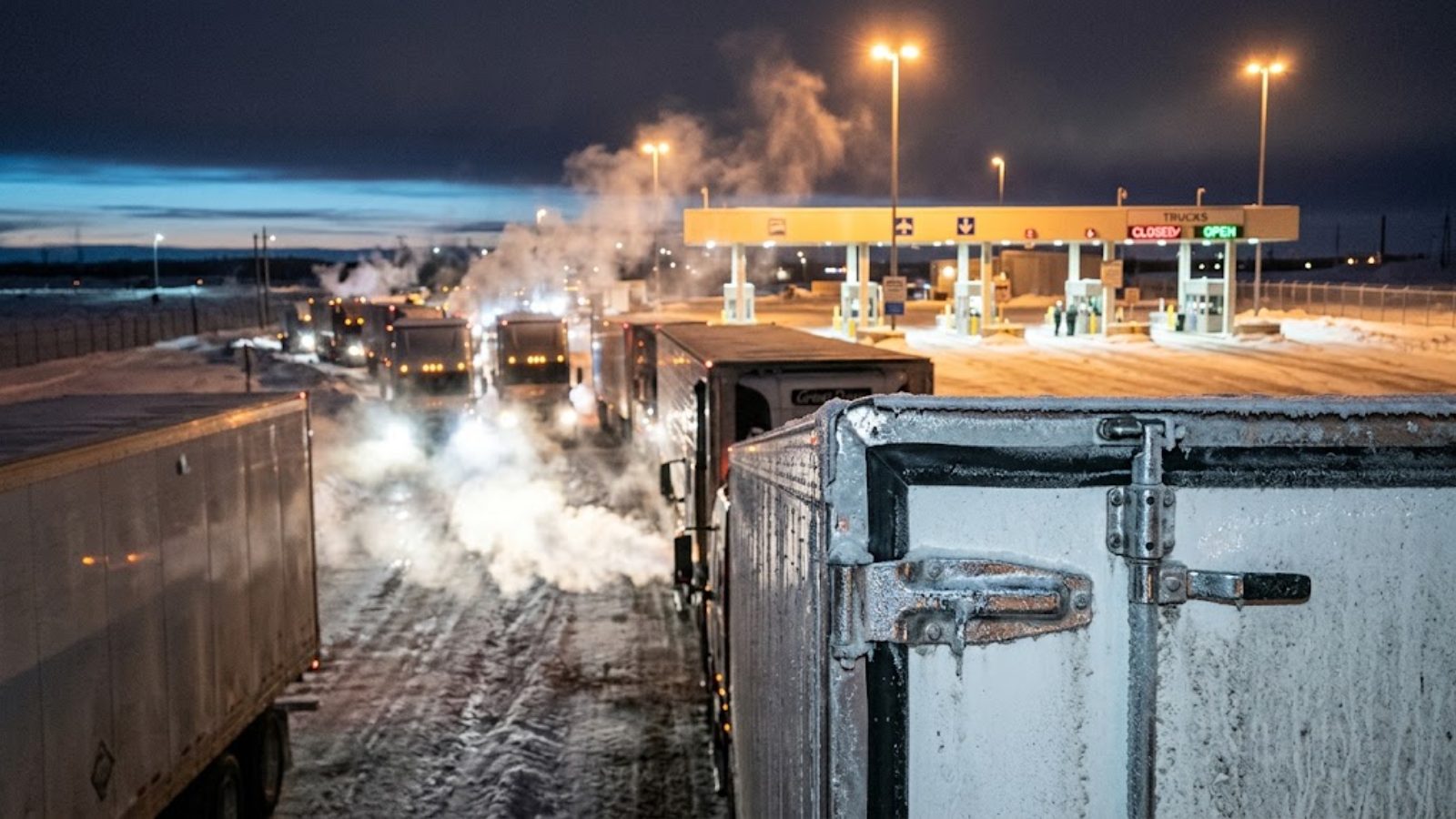
Canada is putting tariffs of up to 50% on roughly 700 American products starting Sept. 8. The list covers about $20 billion of goods.
A tariff is a tax charged when a product crosses a border. The company importing it pays the tax. It then decides how much of that tax to absorb and how much to add to the price. Historically, most of it gets added to the price.
What is on the list
Most lines land somewhere between 15% and 50%. American steel and aluminum, already carrying 25%, go to 50%.
| The retaliation | Detail |
|---|---|
| Effective date | Sept. 8 |
| Product lines covered | ~700 |
| Value of goods | ~$20B |
| Typical rate range | 15–50% |
| Steel and aluminum | 25% → 50% |
The rest of the list reads like an electoral map. Wisconsin cheese. Maine seafood. Kentucky washing machines. These are not the products that matter most economically. They are the products that matter most politically.
That is the design. Retaliation is aimed at the constituencies most likely to complain to the people who set the original policy.
Who actually pays
Canadian officials estimate the measures could add about 0.20 of a percentage point to inflation in Canada, where prices are already rising near 3%. A Canadian family buying an American product pays more.
On this side of the border the cost arrives differently. A Wisconsin cheesemaker who loses Canadian orders does not raise a price — it cuts a shift. A Maine boat that cannot sell north sells south for less.
Two-tenths of a point sounds small. Inflation is built almost entirely out of things that sound small, arriving in the same year.
Why the auto sector matters more than the cheese
The reason a border tax between these two countries is unusually messy is that the manufacturing is genuinely shared. Parts cross the northern border repeatedly before a finished vehicle exists.
A tariff applied at each crossing does not hit one country’s industry. It hits the same industry several times on both sides. That is why escalation here tends to run hotter than the headline dollar figures suggest.
What we actually do
Nothing in a single retaliation package justifies a trade. Tariff announcements get amended, delayed and negotiated, and a portfolio built on the last press release is a portfolio built on sand.
What it does is reinforce a posture. We keep an inflation-linked sleeve because tariffs are inflationary in the same quiet way a sales-tax increase is: nobody votes on it, and it shows up on the receipt anyway.
We prefer companies that can raise prices without losing customers, because those are the businesses that pass a border tax along rather than eat it. And we treat any holding whose margin depends on cheap cross-border parts as a holding that needs its assumptions re-read.