 Capital Wealth Daily
The Machine Kept Its Promise. The Referee Might Change the Rules.
The Wednesday and Thursday Journals, August 26 and 27. The quarter everyone waited on beat every estimate. Then the rest of the paper filled in the fine print: a $230 billion web of guarantees behind the demand, a cloud business reported as a growth rate with no number attached, a $45 billion fund undone by leverage, an $18 billion settlement that gives teenage phones a bedtime, and a 50% tariff wall going up on the northern border. Also inside: the first real win against pancreatic cancer, two measles deaths that did not have to happen, and a country songwriter who left behind a nearly perfect estate plan.
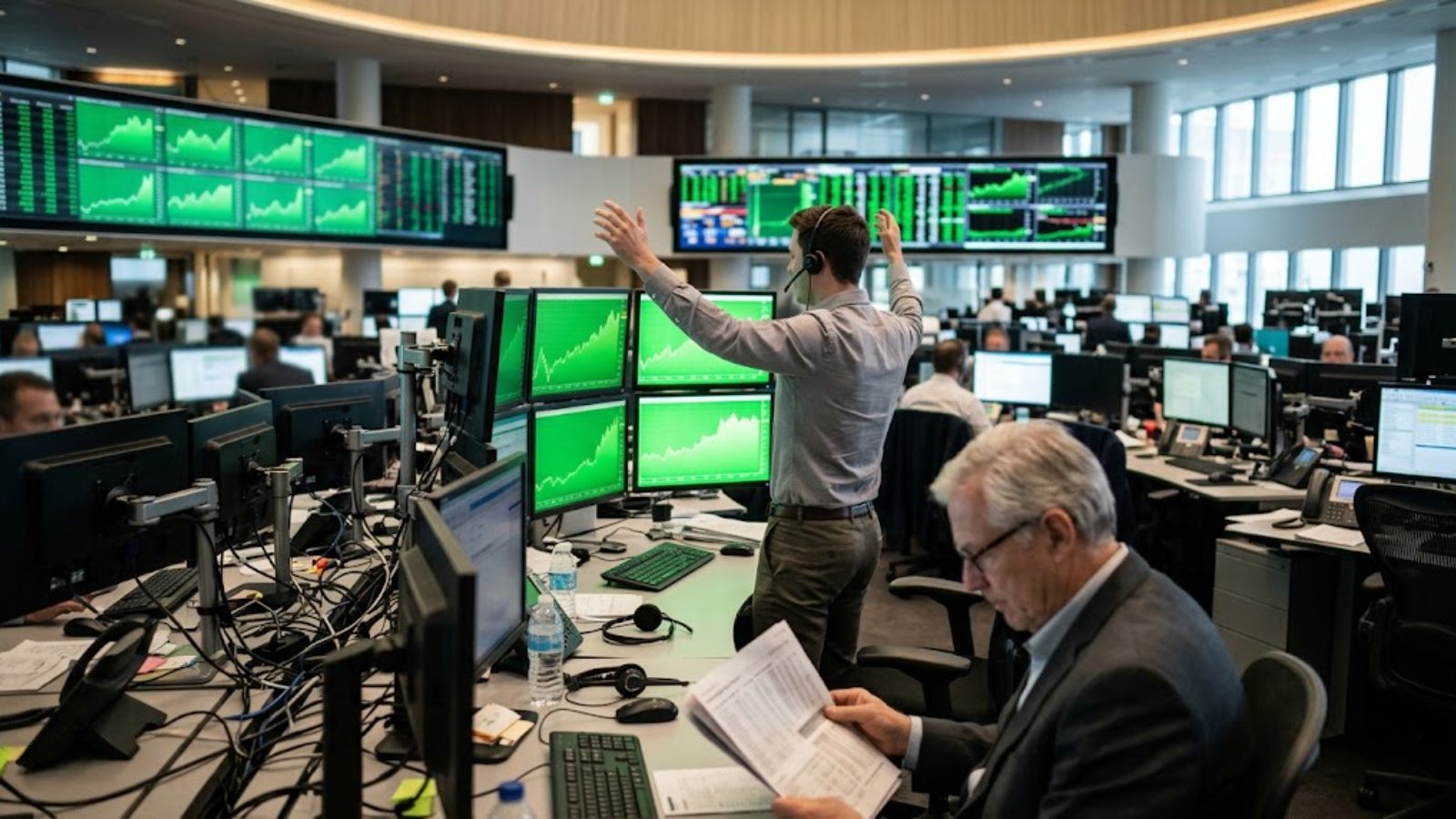
The machine promised 70% more. The Street believed it.
The largest company in the market delivered a record quarter, then raised the bar. Sales came in at $96.2 billion against a $92.3 billion estimate. Net income was $59.7 billion. The data-center line hit $89 billion and beat expectations on its own. Then the finance chief told investors to expect 70% revenue growth in 2028. That is a two-year forecast from a company whose product cycle is measured in months. Shares rose more than 4% after the numbers landed. The one line worth reading twice sits underneath. Gross margins step down from 75% toward 71–72%, then settle near 72–73%. That is what it costs to keep the promise.
The Bottom LineThe earnings answered the demand question and left the financing question open. We own the theme and the power that feeds it, we let the checklist set the weight, and we add nothing because of one headline.
Nvidia posted a record $96.2 billion quarter and forecast 70% revenue growth in 2028.
Meta settled with 48 states for $18 billion, and your grandkids’ phones got a bedtime.
The FDA approved the first real pancreatic-cancer drug. Survival is 13.2 vs 6.7 months, at $477,000 a year.
Vanguard bought Altruist for $4 billion, and Schwab fell on the news. The custody war is on.
A 24-year-old’s $45 billion AI fund fell apart. Citadel bought the pieces at a discount.
Markets · The Machines And Their Backers
4 stories · 3 pictured · 1 listed
The $230 billion web of promises holding up the AI trade.
Vendor financing built Lucent and then unbuilt it. Own the theme through infrastructure that pays cash, not through the paper that guarantees the demand.
Azure grew 41%. Of what, the company will not say.
A growth rate without a base is a headline, not a disclosure. When a company hides the base number, size the position for the fog.
The 24-year-old who ran $45 billion into a wall.
Being right about the trend and wrong about the leverage still ends at zero. Position size is the only part of the thesis you fully control.
Retirement & Your Health
4 stories · 3 pictured · 1 listed
Vanguard just bought the pipes your advisor runs on.
Custody fees are a silent line in your return. When the price war starts, ask your advisor what changed on your statement, not on theirs.

The Social Security clock is louder than the market.
Plan for the benefit you can prove, not the one you were promised. Build the income floor so a 20% haircut is an annoyance, not an emergency.

The first real win against the worst cancer.
Breakthroughs arrive with a price tag. The health plan, not the portfolio, decides whether a family can actually reach one.
The Referee, The Border & The Life File
3 stories
$18 billion, and your grandkids’ phones get a bedtime.
The regulatory risk moves from unknown to scheduled, and that is what lets a holder keep holding. Priced risk beats unpriced risk.

Canada aimed at Wisconsin cheese. The bill lands everywhere.
Tariffs are a consumption tax that arrives without a vote. Own the inflation protection before the price increase shows up on the receipt.

3,000 songs and one nearly perfect estate plan.
The estate plan is the last investment decision you make. Set it up while you are healthy, and the giving keeps compounding without you.
From the desk Bias, the book, what’s priced, the planopen
The market spent the session doing almost nothing on the third-lightest volume of the year. That is what waiting looks like. The S&P finished flat, the Dow slipped 113 points, and the Nasdaq gave back a rounding error. All of it came ahead of one earnings report and one central-bank speech. Underneath the quiet, two prices moved that matter more to a retirement plan than the indexes do. The ten-year yield rose to 4.663%, and the thirty-year sits at its highest level since 2007. Inflation by the Fed’s preferred gauge is running at 3.7%, hotter than the consumer price index at 3.4%. The paper itself flags that flip as unusual. Crude eased to $82.23 and gold gave back $39.90. The surface was calm. The math underneath was not.
Signals suggest a market that got the answer it wanted on earnings and still has not gotten the answer it needs on rates. Volatility sits at 15.21. Crowd odds put zero rate cuts this year near 87%. The long end of the Treasury curve trades at levels not seen since 2007. That mix argues for owning quality cash flows, keeping the nominal bond ladder short, and holding the inflation-linked sleeve for the long haul. We do not add duration into an unsettled argument between Washington and the bond market. Not a forecast; a posture.
- Crowd odds, not forecasts: 87% that the Fed makes zero rate cuts this year, 10% for one cut, 3% for two
- on which company is largest at year-end, 72% Nvidia, 16% Apple, 12% Alphabet
- bitcoin near $79,000. Odds move during the day, and the year-end company odds as printed add up to 101%. That is a reminder that these are opinions with a price tag, not measurements.
- S&P7,675.70 −0.02%
- DJIA53,463.88 −0.21%
- NASDAQ26,130.20 −0.08%
- 10Y4.663%
- OIL$82.23
- GOLD$4,598.20
- VIX15.21
- A $2.4 billion footwear bet sent Dick’s down 31%, its worst day on record
- Apple raised Mac prices $100 to $200 on tight memory supply
- Lego posted record first-half sales, up 21%
- OnlyFans’ owner paid out more than $700 million in dividends
- traditional U.S. listings have raised $137 billion so far this year, closing in on the 2021 record
- investors are buying distressed hotels at roughly $100,000 a key
- thirty-nine state banking associations representing about 3,000 banks are building a shared stablecoin
- therapists are bringing their own politics into sessions, and patients are firing them
- corporate lawyers are enrolling in clown school as a cure for perfectionism
- Roger Federer was honored at the U.S. Open and says he still has not tried pickleball
- Bill Gates published a twelve-page essay arguing there is no plan for what AI does to work, and proposing a tax on bots to fund the safety net
- Salesforce raised guidance and rose 13% after hours on an expanded Anthropic partnership
- a cyberattack shut order fulfillment at a $20 billion medical-device maker, the third devicemaker hit this year
- a federal probe of the buyer stalled a $4.1 billion annuity-company takeover and drew a ratings downgrade.
three triggers from these two papers. If your retirement income assumes the full scheduled Social Security benefit, re-run it at 80% and see what breaks. If you own a single-drug biotech or a single-product employer, write down today what percentage of net worth you will let it become. And if anyone in the household is on a specialty medication, pull the plan’s specialty-tier and out-of-pocket maximum before the next open enrollment, not after a diagnosis.