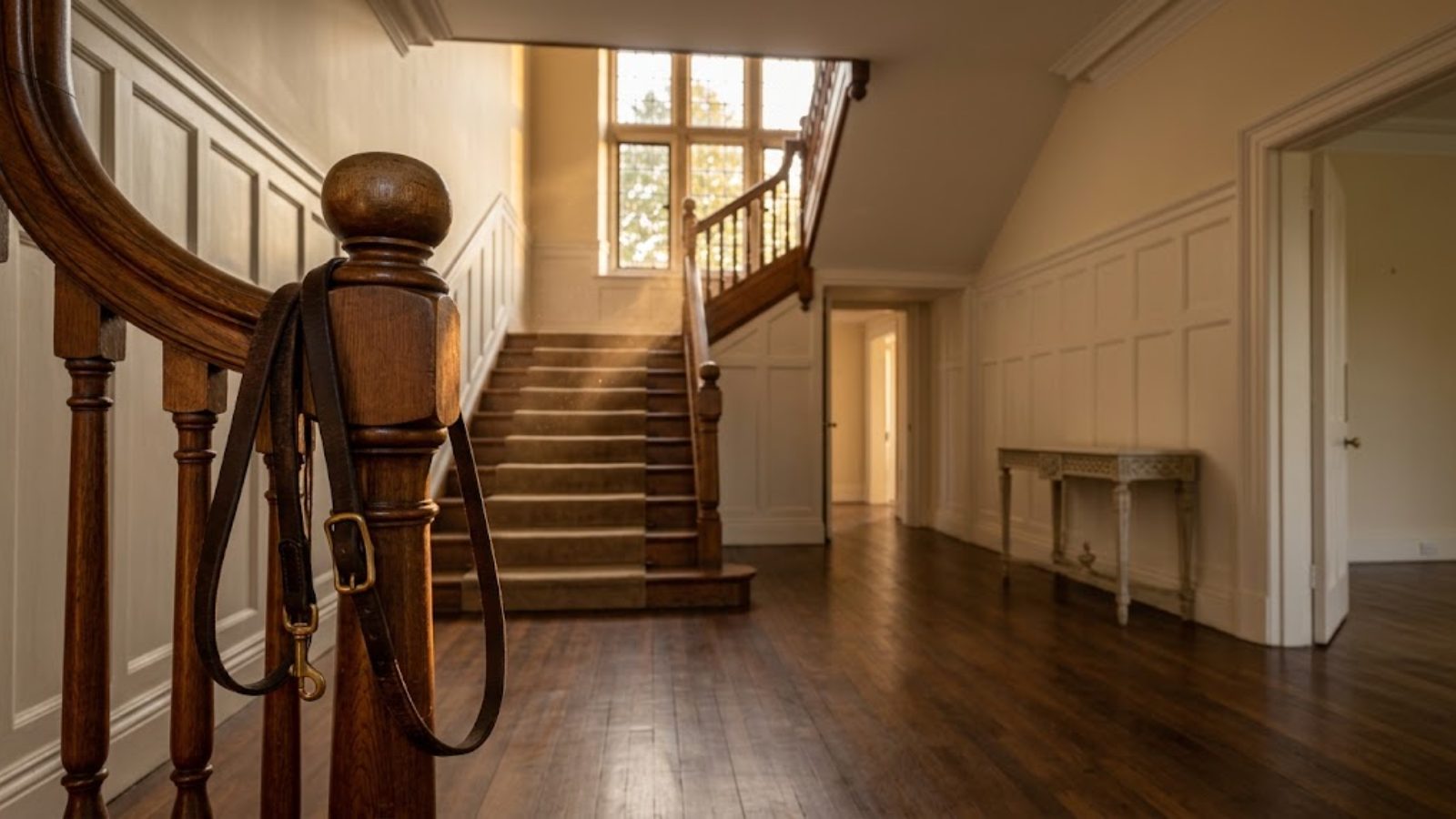
A couple in Pound Ridge, New York, both 77, bought a house for $1.825 million in 2019. They then spent about $300,000 renovating it, largely around the needs of a bearded collie named Buster. The house is now listed at $2.9 million.
The Journal tells this as a charming story about a spoiled dog. It is also one of the cleanest retirement housing decisions you will read about all year.
The math, plainly
Start with what went in and what is being asked. This is the arithmetic every downsizer eventually does at the kitchen table.
| Line item | Amount | Note |
|---|---|---|
| Purchase price, 2019 | $1,825,000 | Pound Ridge, N.Y. |
| Renovations | ~$300,000 | Reworked around the dog |
| Total put in | ~$2,125,000 | Before selling costs |
| Asking price | $2,900,000 | Roughly $775,000 above that total |
Roughly $775,000 sits between what they put in and what they are asking. Some of that goes to the broker, some to closing costs, and some to the buyer’s negotiating skill.
A married couple can generally exclude up to $500,000 of gain on a main home — profit the tax code lets you keep — if they meet the ownership and use tests. Renovation receipts raise the cost basis, which is why the shoebox of invoices is worth real money.
This is their twelfth house
Fifty-six years of marriage, twelve homes. That is a household that treats a house as a tool, not as an identity.
Most people do the opposite. They stay in the big house until a fall, an illness, or a spouse’s death makes the decision for them, and then sell in the worst month of their lives.
Selling early is not surrender. It is the only version of this transaction where you set the price, pick the timing, and choose the next address without a doctor in the room.
A house also costs money to keep. Taxes, insurance, heat, roof, yard. Those bills do not shrink because the children moved out fifteen years ago.
Florida gets chosen here for the usual reasons, and the reasons are sound. Lower carrying costs, friendlier weather, and a state tax picture that is kinder to retirement income.
The dog is not the joke
The remodeling was for the dog: sight lines, surfaces, room to roam. Laugh if you like, but designing a home around how you actually live is a rare and expensive skill.
The same instinct that made this house work for Buster is what makes the Florida move work for them. Fewer stairs. Lower carrying costs. Less house to heat, insure and repair.
If a version of this move is somewhere in your next ten years, the useful work is not choosing the town. It is knowing what the current house would net, and what that number funds.
Run the sale on paper first. Subtract the mortgage, the commission, the repairs a buyer will demand, and the cost of the next place. What is left is the only figure that matters.
Then ask the harder question. Does that leftover amount cover ten years of the life you actually want, or does it merely cover the moving van and a nicer kitchen?
And keep the dog in the plan. The couple in this story budgeted for the animal because the animal was part of the household, which is more honest than most retirement spreadsheets manage.