 Capital Wealth Daily
The Week the Machines Paid Off and the Bond Market Sent a Bill.
The Friday Journal, August 28, and the four papers behind it. This week finally showed the receipt on artificial intelligence, then handed over the invoice. Nvidia’s $442 billion session met a 5.31% thirty-year yield, $350 trillion of government debt, wheat at a two-year high and a strait that went from 130 ships a day to 15. Plus a record American life expectancy, a cancer queue that sorts by insurance card, and a $2.9 million house that belongs to the dog.

Five papers, one week. The machines delivered. The bills arrived.
Nvidia earned $59.7 billion on $96.2 billion of revenue. It added $442 billion of market value in a single session. That is the plainest evidence yet that the huge sums spent on artificial intelligence are coming back as profit. The same five papers carried the other side of the ledger. The thirty-year Treasury yield moved from 5.09% to 5.31%. A Federal Reserve president says he is open to raising rates. Governments owe $350 trillion worldwide, and $18 trillion of fresh borrowing has to find a buyer this year. The machines paid off. The bond market sent a bill for the electricity, the chips, the deficits and the wait.
Our TakeThe week answered the question everyone asked in June, whether any of this is earning money. It left a harder one open. Action: we keep the AI theme and the power that feeds it, keep the nominal ladder short, hold the inflation-linked long horizon, and let the long end come to us instead of reaching for it.
Nvidia added $442 billion in one day, and quietly promised suppliers $279 billion.
Boston Fed’s Collins put a rate HIKE on the table. Warsh speaks at Jackson Hole at 10 a.m.
Treasury is doubling long-bond buybacks to fight a 30-year that touched 5.31%.
The world now owes $350 trillion. France, the U.K. and Japan are paying up for it.
American life expectancy hit a record 79 years. Heart deaths are down 39% since 2000.
The Compass · Where This Goes Next
3 stories
Three people are steering this market. They disagree.
Watch the chairman’s remarks for one thing, whether he sides with the bond market or the borrower. Until that lands, own what gets paid under either answer.
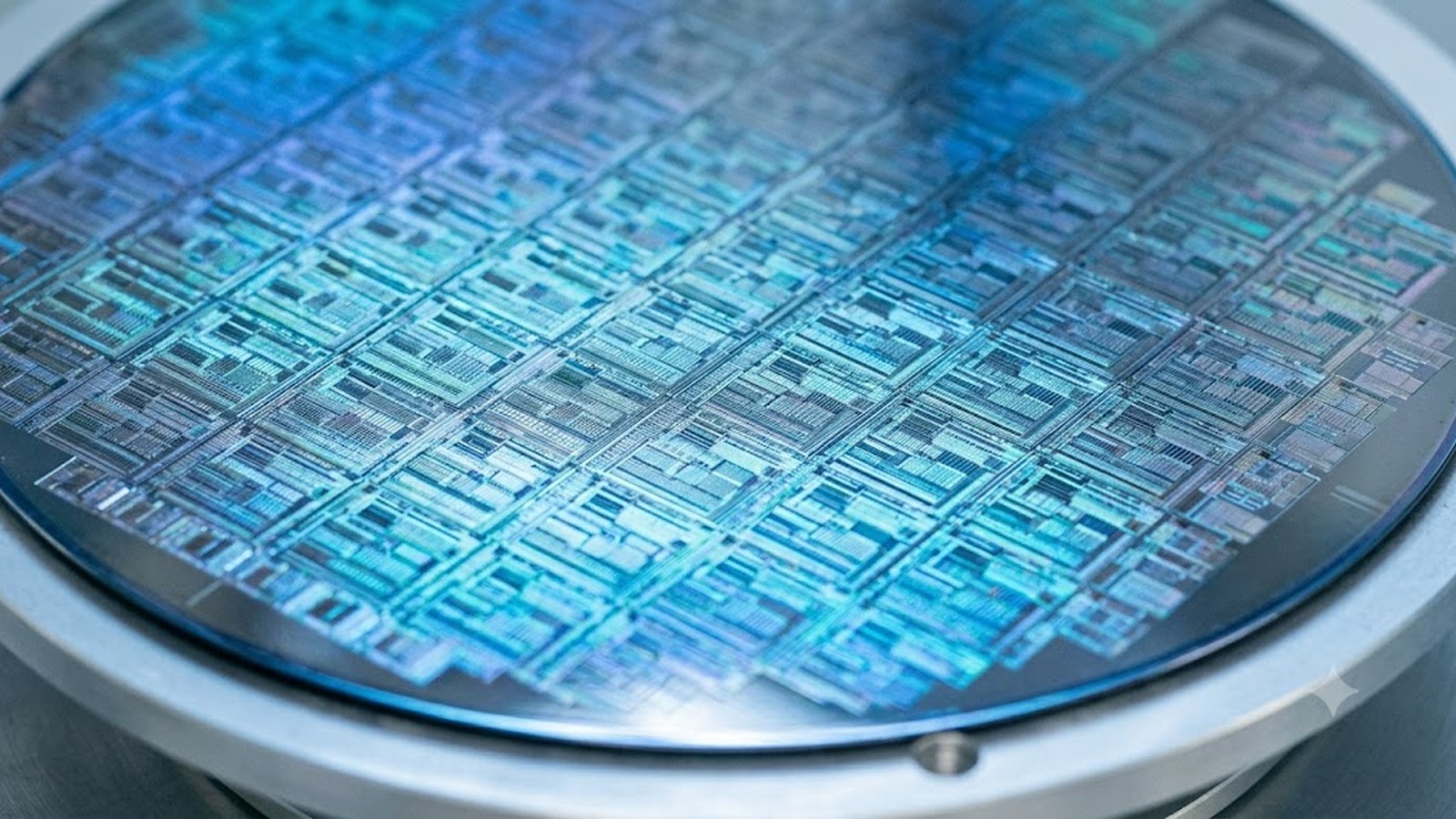
Nvidia added $442 billion in a day. The fine print added $279 billion.
Growth on this scale is bought, not received. We keep the theme, and we read the margin line before the headline.
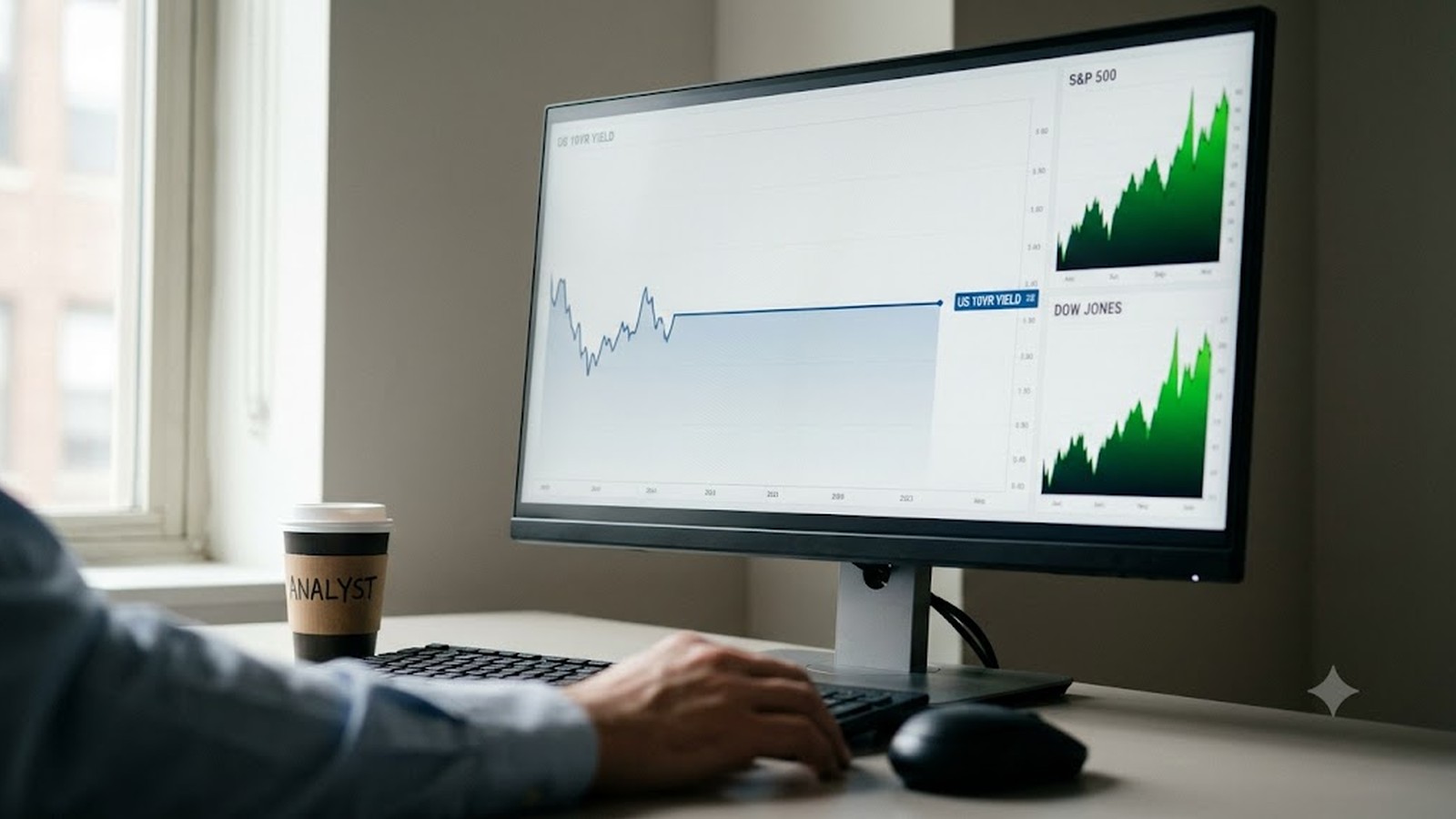
The world owes $350 trillion, and the interest is due.
When every treasury borrows at once, the price of money is set abroad. The nominal ladder stays short, and the long horizon stays inflation-linked.
Your Health & Your Years
4 stories · 3 pictured · 1 listed
You are living longer. The data just made it official.
Good news is a planning problem. Build the plan to 95, not 85. The larger risk is outliving the money, not a bad decade in stocks.

The cancer line moves slower depending on your insurance card.
Coverage is a health outcome, not a budget line. Price the supplement while you are well. The queue does not negotiate after the diagnosis.

The $2.9 million house belongs to the dog.
Downsizing works when you choose it early instead of being forced into it late. The renovation you love is rarely the one a buyer pays for. Count it as living, not as equity.
Commodities, Energy & The Consumer
4 stories · 3 pictured · 1 listed
Wheat just had its loudest week since 2023.
Grain reaches the grocery bill a few months later, not the same week. It is one more reason we keep the inflation-linked sleeve funded instead of trimming it.

Washington wants a piece of 90 billion barrels.
Reserves are not supply until somebody builds the pipe and finds the crew. We own the toll on energy that already moves, not the barrel somebody hopes to lift.

130 ships a day became 15. Everything repriced.
This is the toll-collector thesis in one chart. Chevron and Williams are paid on volume moved at home, whatever happens to a strait eight thousand miles away.
From the desk Bias, the book, what’s priced, the planopen
The week ended the way it began, arguing, but with better evidence. Nvidia’s report carried the whole complex. The Nasdaq gained 1.6%, the S&P 500 0.72%, and the Dow only 0.20%. That is a market led by one industry, not by all of them. Underneath, the price of money kept rising. The thirty-year Treasury yield moved from 5.09% to 5.31%, even as the Treasury doubled its long-bond buybacks. One Federal Reserve president said out loud that a rate increase is on his table. Crude at $83.53 and gold near $4,610 say the same thing from opposite directions. Nobody is confident about what a dollar buys next year.
Two events sit just past this paper, and neither is in it. The Fed chairman speaks Friday at 10 a.m. Eastern, and the July personal-consumption inflation reading follows. Positioning points to a market that has settled the earnings question and reopened the rate question. Equity leadership is narrow, the long end is unsettled, and volatility is low at 14.51. That argues for quality, for owning the toll rather than the barrel, and for refusing to be paid in promises at the long end of the curve. Not a forecast; a posture.
- Crowd odds, not forecasts, as of the Aug 28 paper: 87% that the Federal Reserve makes zero cuts across all of 2026
- a live minority still pricing a quarter-point increase at the September meeting after one regional president said he is open to it
- roughly 3.7% inflation on the personal-consumption measure against 3.4% on the consumer price index. The gap itself is the argument. Odds move intraday.
- S&P7,730.99 +0.72%
- DJIA53,569.44 +0.20%
- NASDAQ26,541.35 +1.6%
- NVDA$227.98 +8.7%
- 10Y4.671%
- 30Y5.31%
- OIL$83.53
- GOLD$4,609.70
- VIX14.51
- Anthropic wins its blacklist case
- DeepSeek is valued at $74 billion
- Build-A-Bear falls 27%
- Best Buy raises its full-year outlook
- Dollar General beats, with sales up 5.2% to $11.29 billion
- Hormel cuts guidance a second time
- Pernod Ricard stays weak
- eBay bans airbag listings
- Kalshi’s weather contracts reach $1.1 billion
- Jes Staley testifies on Epstein
- Catskills home prices are up 147%
- Taiwan orders $7 billion of drones
- The IMF attributes about a third of United States growth to artificial intelligence
- The Trump family bank sells a 49% stake to Abu Dhabi
- A serviceman’s charges land on the Polymarket docket.
Here are three triggers from this week. If your longevity assumption still ends at 85, move it to 95 and re-run the withdrawal rate, because the mortality data already moved. If you are inside five years of Medicare, price the supplement now rather than at the diagnosis, since the surgery queue sorts by coverage. And if any part of your bond ladder was built for a 2% world, mark it against a 5.31% thirty-year before you add another dollar to it.
Capital Wealth Daily · Vol. III · No. 161 · Friday, August 28, 2026. Reported from the Friday, August 28 edition of The Wall Street Journal and the four papers of the week preceding it, and from the Capital Wealth Growth Portfolio review notes. Figures are as reported at the Thursday, August 27 close. Written and edited by the Capital Wealth LG research desk.