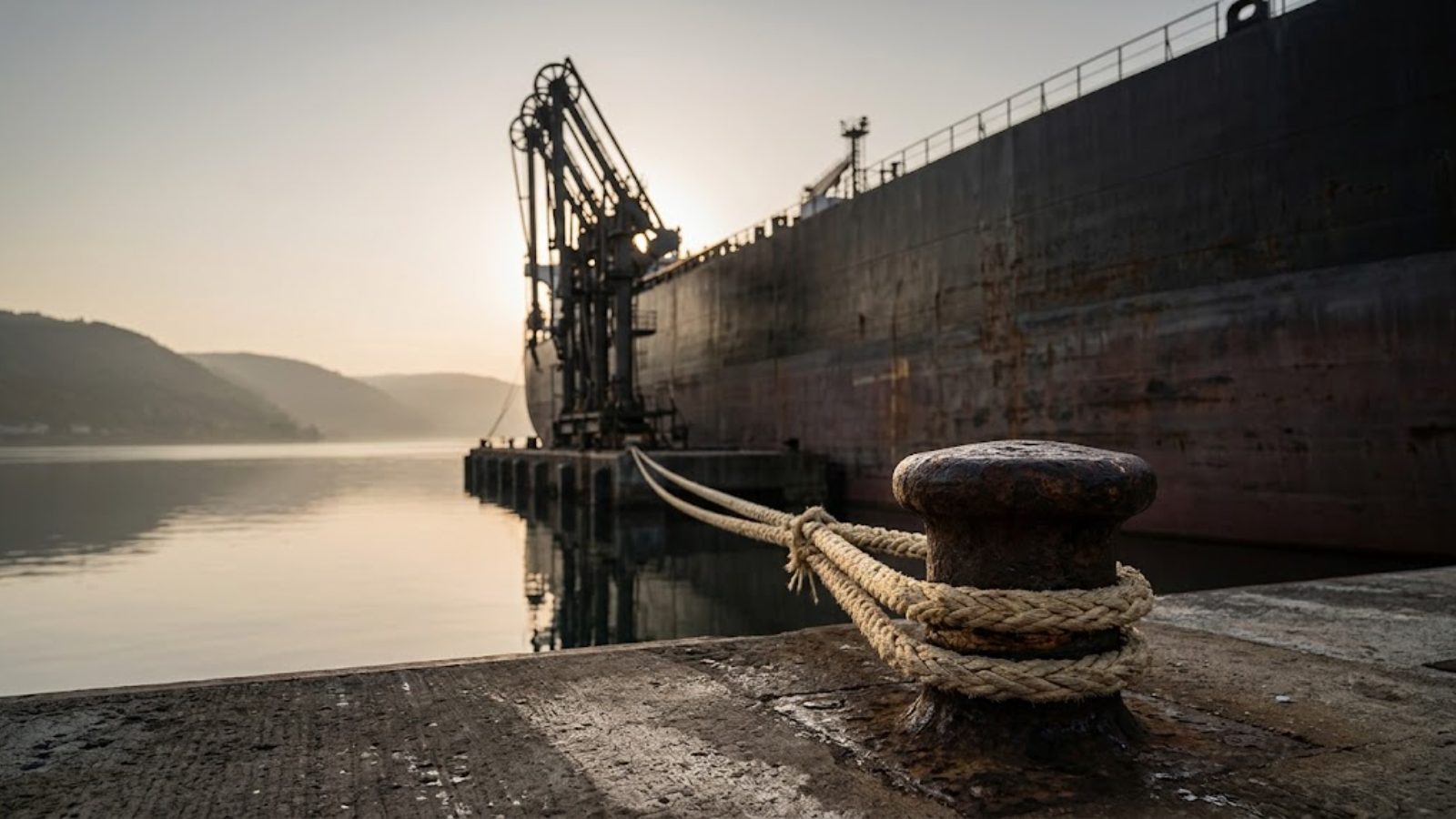
The Strait of Hormuz is a narrow stretch of water at the mouth of the Persian Gulf. About 130 ships a day used to pass through it. This month the count is around 15. That single change has quietly repriced fuel, freight and food across the world.
You do not need a map to feel it. Gasoline is near $4 a gallon, against $2.98 before the fighting began. Every gallon carries the cost of a longer, riskier voyage.
The chokepoint tax
When a route narrows, ships get scarce and expensive. Chartering a supertanker from the Middle East to China now costs more than $500,000 a day. That is not a fuel cost. That is the price of a boat.
Those costs do not stay at sea. They ride into refineries, into trucks, into shelves. The International Monetary Fund now expects global inflation of 4.7% this year, up from 4.1% in 2025.
That half-point sounds small. On a household budget it is the difference between prices you barely notice and prices you argue about in the grocery aisle.
A chokepoint is simply a place where there is no second road. Ships cannot detour around geography, so a threat there raises the price of everything that floats.
| Measure | Before | Now |
|---|---|---|
| Ships through Hormuz | ~130/day | ~15/day |
| U.S. gasoline | $2.98/gal | ~$4.00/gal |
| Iranian crude shipments | 2.2M bbl/day (Feb) | 280K bbl/day (May) |
| Global inflation forecast | 4.1% (2025) | 4.7% (2026) |
Who pays, and who collects
Iran is paying the most. Its crude shipments fell from 2.2 million barrels a day in February to 280,000 in May. The IMF puts the economy down 5.4%, with consumer prices up roughly 80%.
The United States has spent $37.5 billion on the campaign through July and struck more than 13,000 targets since the April truce collapsed. Wars appear in the federal budget long after they leave the front page.
Meanwhile some odd corners repriced too. Helium and sulfuric acid both jumped, because both travel by ship and neither has a spare route.
Helium goes into medical scanners and semiconductor plants. Sulfuric acid goes into fertilizer and batteries. Neither one is on the news, and both are in your life.
That is the honest shape of a supply shock. It does not arrive as one big headline price. It arrives as fifty small ones that nobody bothers to add up.
The lesson we keep relearning
Scarcity does not announce itself with a memo. It arrives as a bill, in small amounts, in many places at once.
That is why we own the companies that get paid to move and process energy rather than the ones that simply hope the price of crude stays high. Crude closed at $83.53, which is elevated but hardly a panic. The tolls, meanwhile, are being collected every single day.
A chokepoint reopens eventually. Freight rates and insurance costs come down more slowly than they went up, and the cash earned in between does not get handed back.
For a household the practical response is dull and effective. Assume fuel and freight stay noisy, and keep the parts of your plan that depend on cheap shipping small.
Nothing here argues for hoarding gasoline or trading headlines. It argues for owning a few businesses that quietly get paid when the world’s cheapest route stops working.