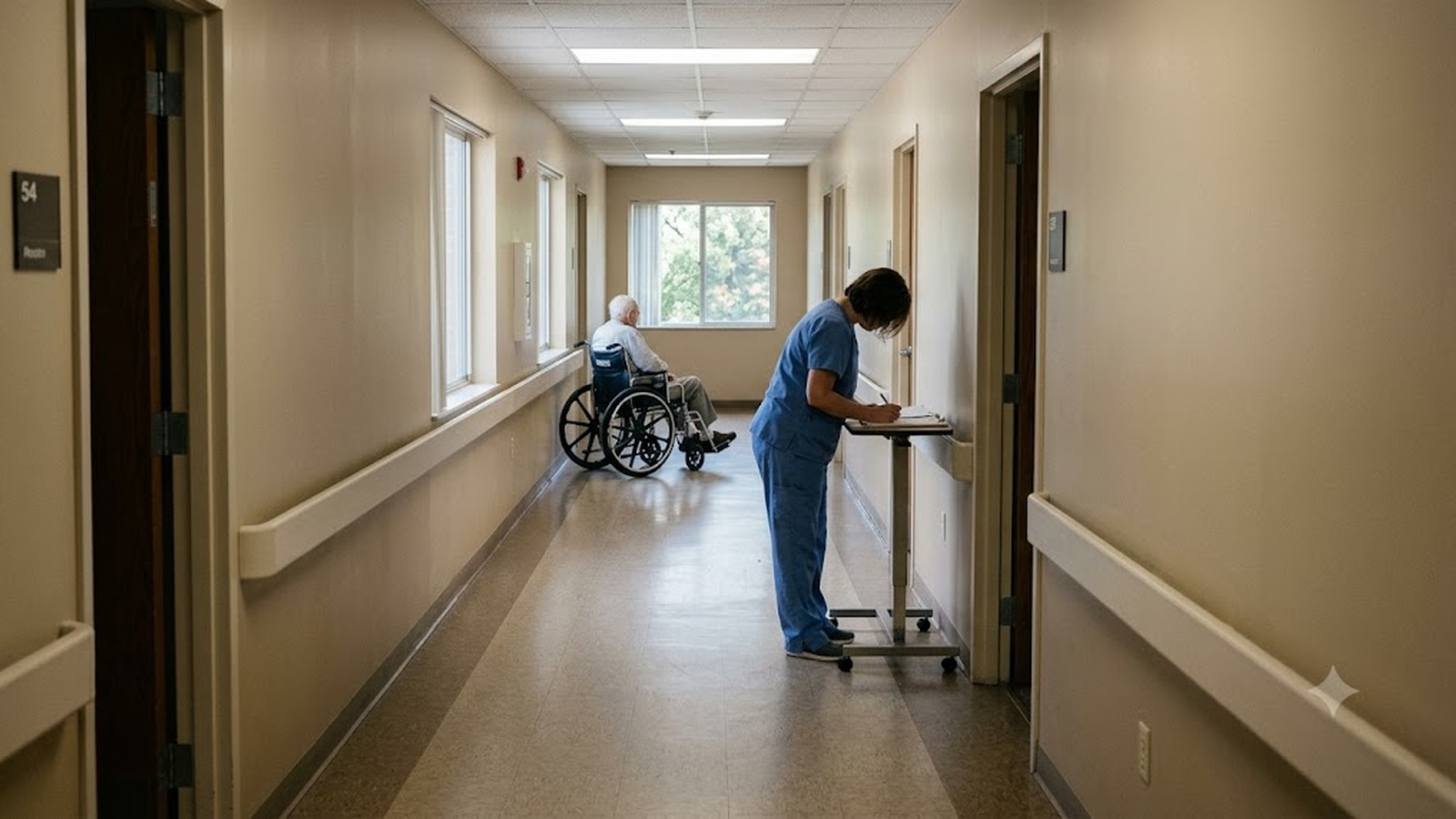
A study published in the JAMA network looked at 2.7 million cancer patients treated between 2012 and 2023, and asked a plain question. How long did each patient wait for surgery?
The answer varied by insurance type, and not by a little.
What the records showed
Patients on Medicaid were 11% to 42% more likely to wait a month or longer for cancer surgery than privately insured patients. That held across four of the five cancers studied.
Medicare patients waited longer too, though the gap was smaller: 4% to 12% more likely to face a month-plus wait.
| Odds of waiting a month or more for cancer surgery | Versus private insurance |
|---|---|
| Private insurance | baseline |
| Medicare | 4% to 12% more likely |
| Medicaid | 11% to 42% more likely |
| Lung cancer, delayed surgery | ~20–30% higher death risk |
| Breast cancer, delayed surgery | ~10–15% higher death risk |
Why a month matters
Waiting is annoying at the DMV. It is something else entirely with a tumor.
The same body of research links delayed surgery to worse survival. In lung cancer the association runs roughly 20% to 30% higher death risk. In breast cancer it is closer to 10% to 15%.
Those are associations across large groups, not a verdict on any individual case. Sicker patients sometimes wait longer for reasons that have nothing to do with a card. But the pattern is consistent enough, across enough people and enough years, to take seriously.
One more thing is worth saying plainly. This study measured waits, not quality. Once patients reached the operating room, the surgery itself was the same surgery. The gap opens in scheduling, referrals and paperwork, which is a system problem rather than a medical one.
The planning lesson, stated carefully
Coverage and access are two different things. Almost every American over 65 has coverage. Not everyone has the same speed.
We are not in the business of telling anyone which health plan to choose, and this column is not the place for that advice. What we can say is what we see in plans that work.
They carry a real cash reserve, held in something safe and liquid, so a family facing a diagnosis can act on options immediately instead of waiting on a portfolio decision.
They treat supplemental coverage as a line item to be reviewed every year, not a form filled out once at 65 and forgotten.
They budget for long-term care honestly, because the same demographics that are making us live longer are also making the last chapter more expensive.
And they keep the investment portfolio built so that a bad market and a bad diagnosis do not have to arrive as the same emergency. That is the whole point of holding safe money separately from growth money. One is there so the other never has to be sold at the wrong time.
And they name a family member who knows where everything is, because the person facing a diagnosis should not also be the person hunting for a policy number.
Bring your Medicare paperwork to your next review along with your statement. The two documents describe the same retirement, and they are usually filed in different drawers.