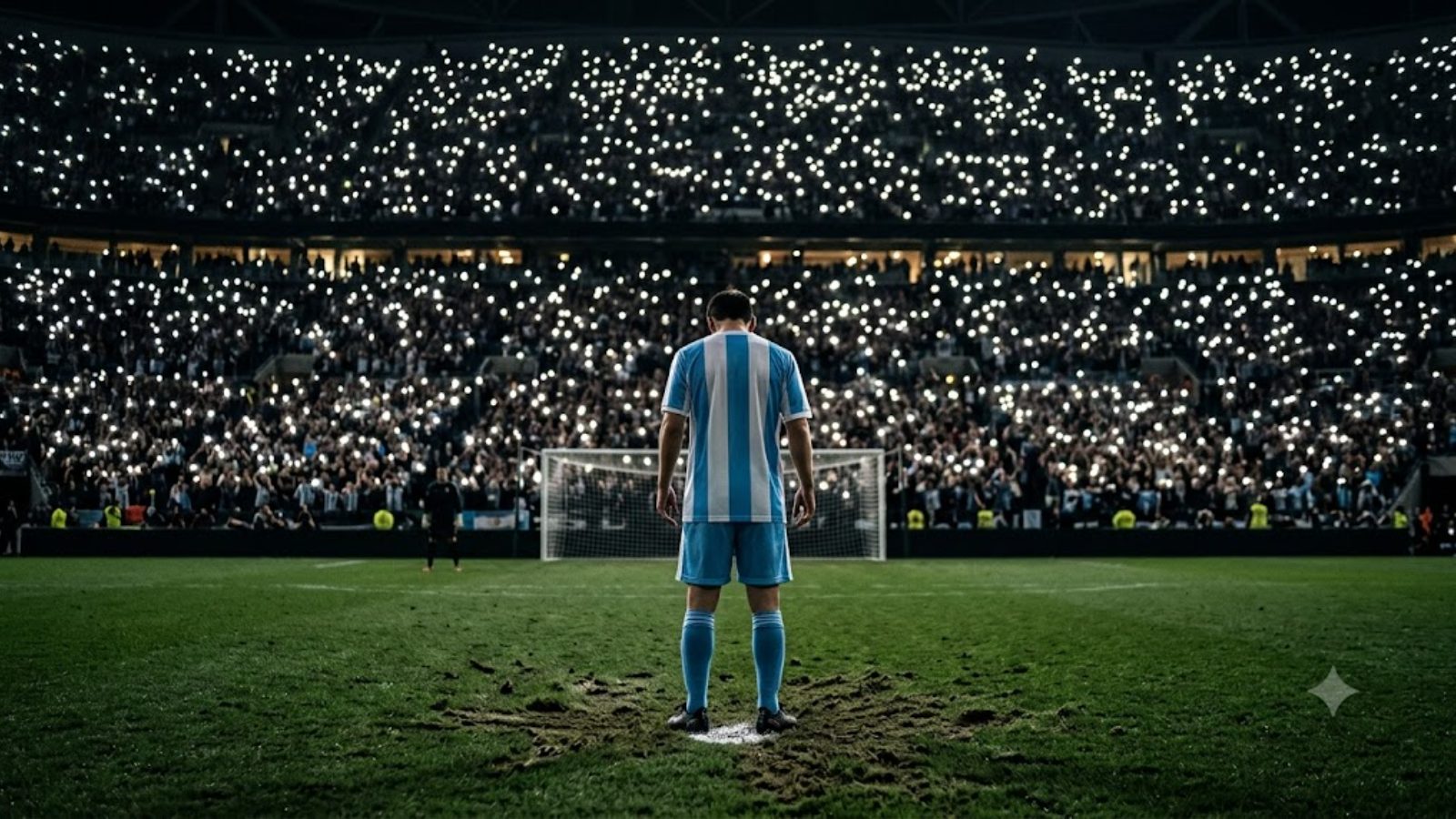
Harry Styles is playing 30 shows at Madison Square Garden. Lindsey Burton, 28, has tickets to 15 of them. She spent $6,196.87 to get them.
Burton co-hosts a podcast called "What Makes You Fangirl." She puts her total spending on Styles tickets and merchandise at more than $20,000 to date.
Fifteen shows for $6,196.87 works out to about $413 a night. That figure is our arithmetic, not the Journal's, and it is worth sitting with for a second.
| What the devoted are spending | Reported spend | Shows |
|---|---|---|
| Lindsey Burton, 28 | $6,196.87 for this run | 15 of the 30 at the Garden |
| Alison Romero, 28 | around $20,000 | more than 40, including London |
| Leah Cunningham, 31 | $6,000 to $8,000 | 16, with six more planned |
| Delaney Scott, 25 | around $5,000 | more than 40 |
Every figure in that table is the fan's own estimate, as reported. Scott works adjacent to the entertainment industry and has gotten free tickets, which is part of why her number is lower.
Why the number got so large
Prices did most of the work. Scott remembers what a floor ticket used to cost. "In 2019, we were paying under $100 per show," she said. "To be in the nosebleeds was under $50."
The Journal's next line is the whole story: tickets can now cost 10 times that. Nothing about the fans changed. The price of the hobby did.
Emily White, a former Spotify product leader who writes about fandom, points out that devotion itself is old news. "Think of Beatlemania or the people who follow the Grateful Dead or Phish."
What is new is who is watching. The music industry, she says, is hunting for its next growth story, and superfans are "a highly engaged, under-monetized segment of listeners who spend disproportionately on concert tickets, merch and artist experiences."
Read that phrase again. Under-monetized. That is an industry describing its most loyal customers as room to grow, which is a useful thing to know before you buy the next ticket.
The part that is genuinely disciplined
Here is where the story turns. Romero keeps a spreadsheet and tracks every dollar she spends on this.
"I think there's a conception that people are in so much credit card debt or using their parents' money," she said. "I'm very sensible. I'm not going out to eat or buying clothes. I really put all my spare money toward this."
That is a budget. It is not the budget your planner would draw, but it names a priority, funds it from spare money, and pays for it by cutting something else.
A number of the most committed fans also work side gigs on top of a nine-to-five: dog walking, babysitting, or helping brands with social media. Romero sells custom souvenir concert tickets online for $5 apiece, because venues stopped handing out physical stubs and fans still want one.
She earns from TikTok and Meta creator funds by posting clips of her travels, too. None of that makes concert tickets an investment. It does make them a funded expense, which is a different animal.
Where the line actually falls
Compare that with a case from the Journal's reporting on the live-entertainment boom. Kenzie Doctor, a gym worker in Edinburgh, spent nearly $9,000 to watch Scotland play in the World Cup. To help cover it, he pulled 3,000 pounds, nearly $4,000, out of a government savings program.
His verdict was "Worth every penny," and he may be right about the memory. The Journal's framing of that market is blunt: budgetary concerns are no match for the fear of missing out in a you-only-live-once economy.
Two fans, the same enthusiasm, two different funding sources. One cut restaurants. One opened a savings account and took the money out.
Leah Cunningham describes what the price has done to the group. "It's not like I can casually bring my boyfriend or a random friend who listens to a couple songs," she said. They balk at the cost. "We've sort of formed our own community where it's like, we all are that level of crazy."
We are not going to tell anyone that $20,000 of joy is too much. The only question worth asking is where the $20,000 came from, and whether you can say the number out loud without flinching. Romero can. That is the whole test.