 Capital Wealth Daily
The Machines Got a Banker.
Part I of the week in review, the business half of the July 25–28 Wall Street Journal. The money now standing behind the AI build-out, a $484 billion Chinese chip debut, a merger nobody announced, and a factory in Colorado our book already owns.
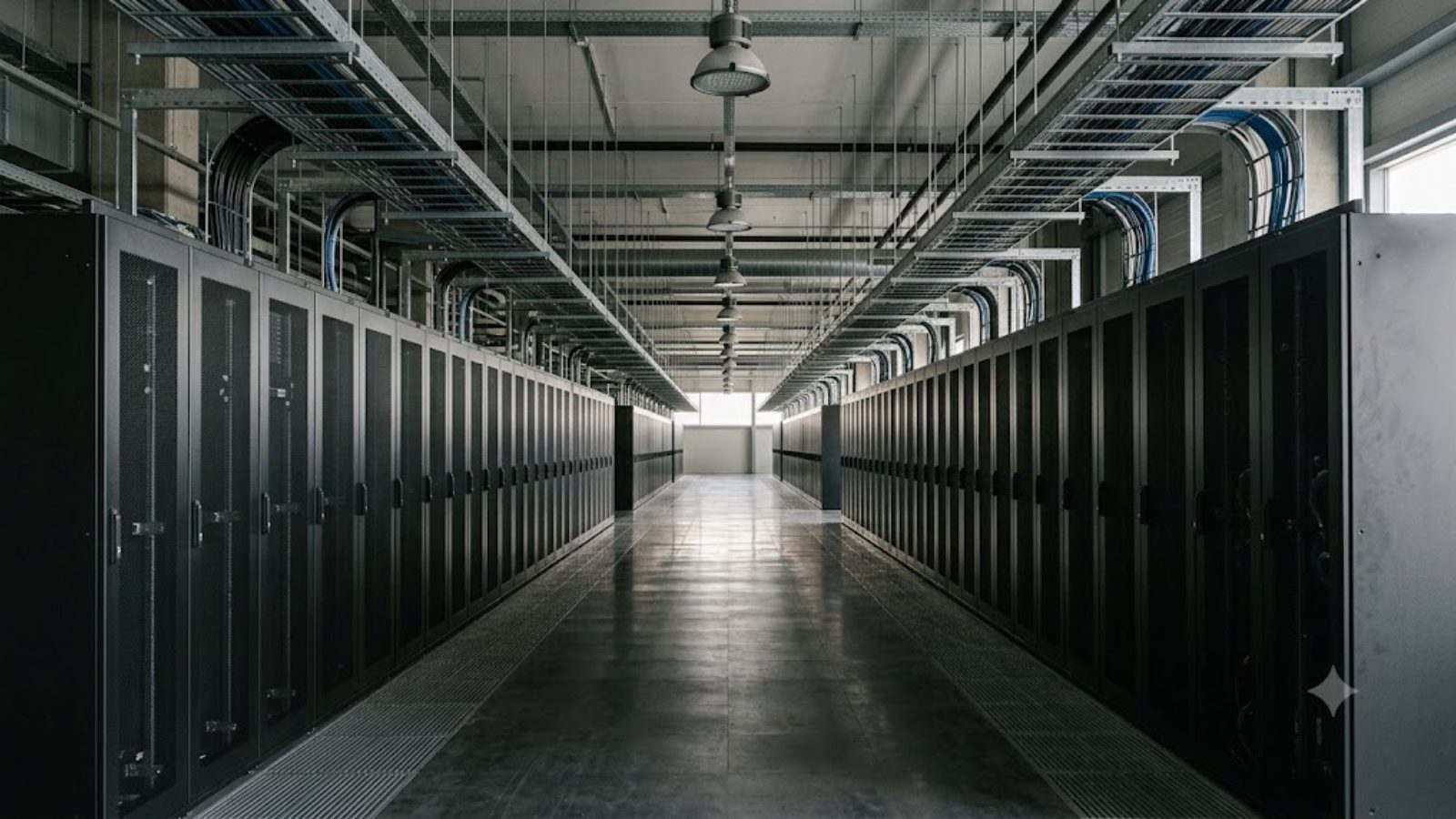
Nvidia is now the lender of last resort.
Nvidia (NVDA) is in talks to back OpenAI with a roughly $250 billion guarantee. It is part of a data-center project in southern Ohio that could cost more than $500 billion, the largest announced to date. The government controls the power. SoftBank’s energy arm is developing the site. Commerce Secretary Lutnick has a say in who gets it. OpenAI needs the guarantee because it has no investment-grade rating and no profits.
Our ReadWhen the chipmaker starts guaranteeing its biggest customer’s debts, the word for that isn’t “partnership.” It’s vendor financing. Vendor financing is how every capex boom in history has kept going past the point where the math worked on its own. We hold Nvidia (NVDA). We’re not selling a great business; we’re naming what changed. The stock now carries credit risk that used to live somewhere else. The disclosure lives in a term sheet, not a balance sheet. Action: HOLD NVDA, no adds at this weight. The cleaner ways to own the build-out are still the power and the plumbing. That is where the book’s utility and infrastructure sleeves already sit. And note who is renting the site. A government-controlled power allocation is industrial policy wearing a lease.
Off Duty · The Human File
3 stories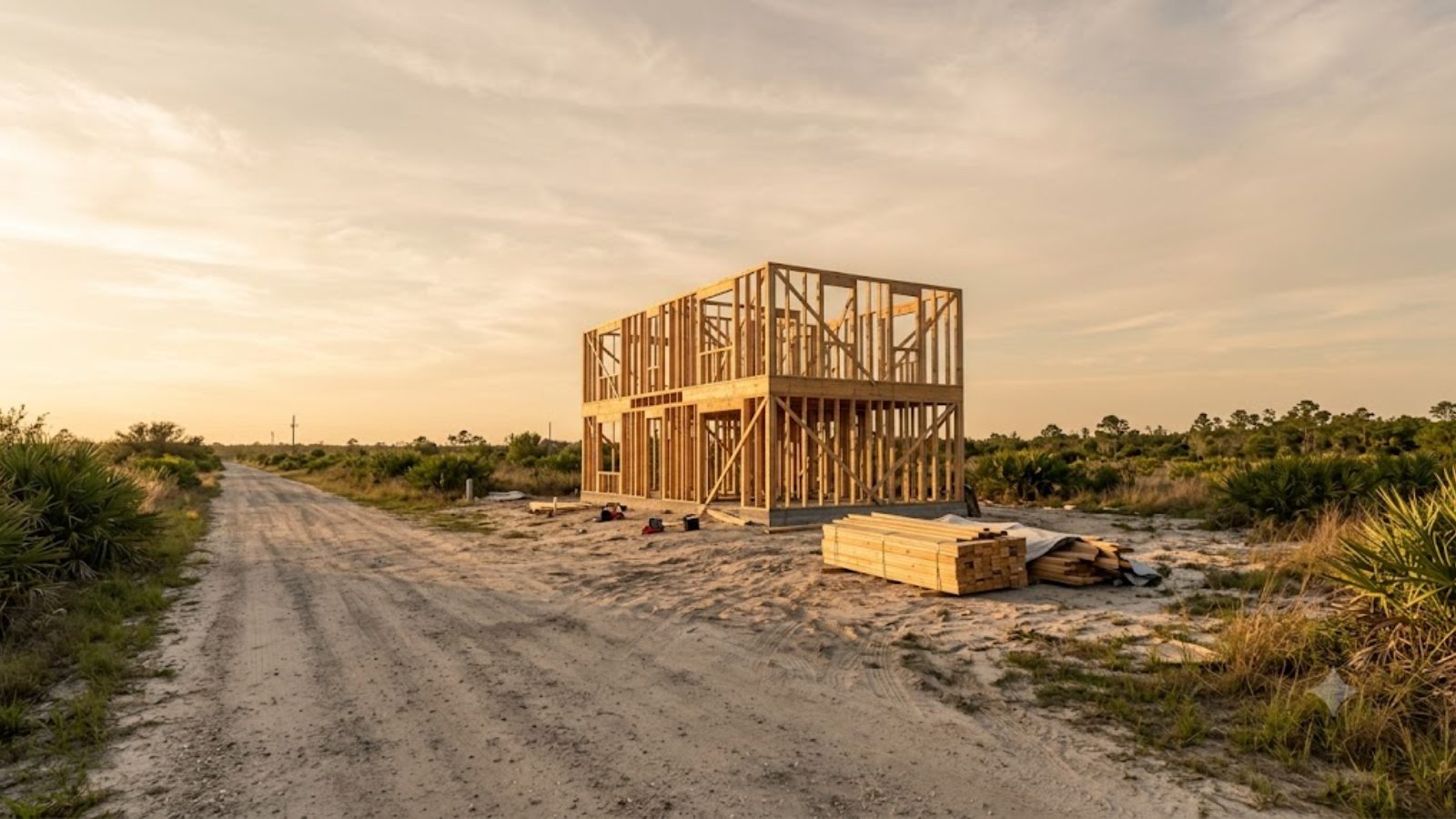
Priced out of Florida? Florida found more Florida.
The housing story is now two stories, a coastal affordability crisis and an inland supply response, and only one of them is investable.
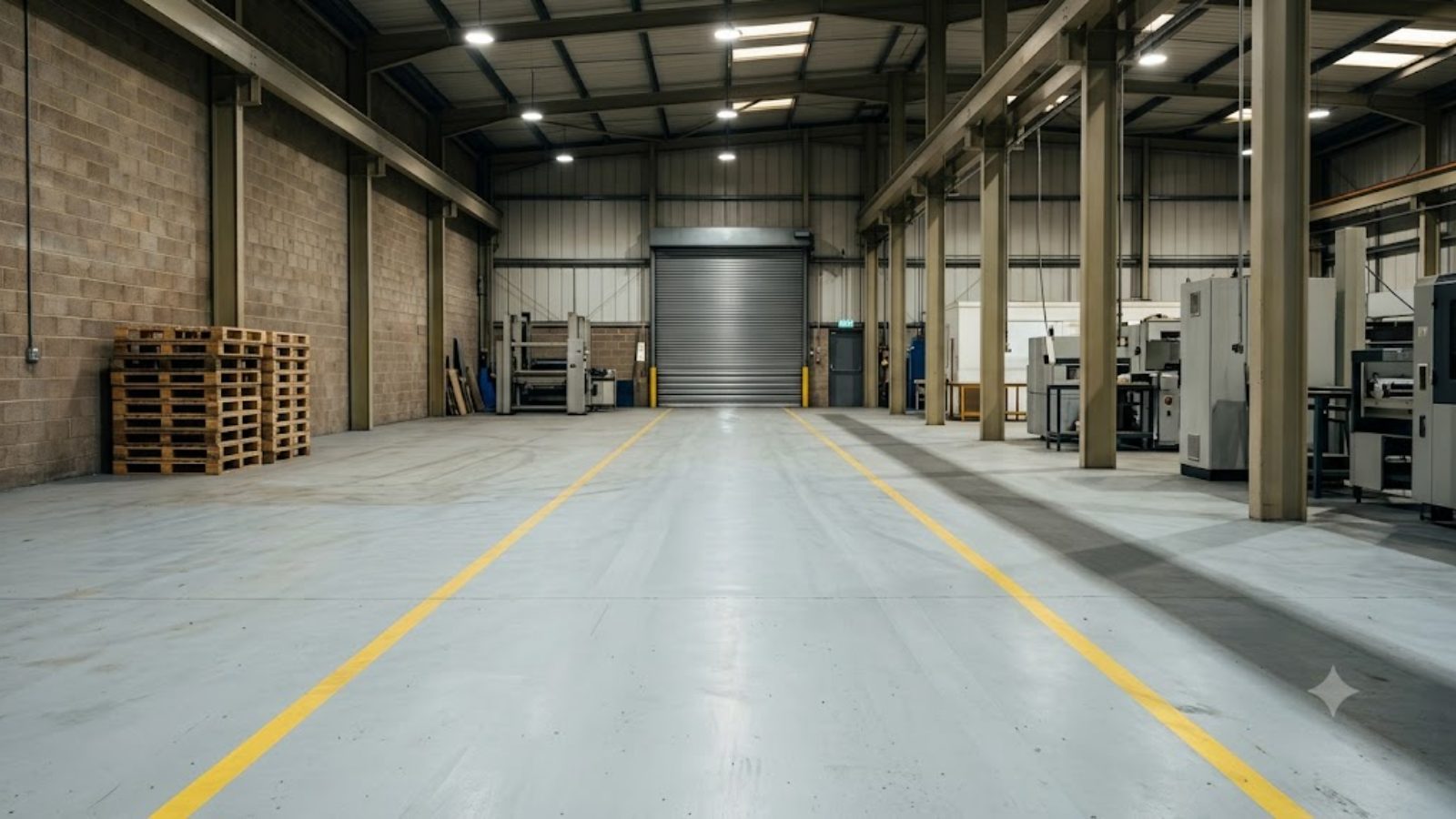
The tobacco sleeve got a factory.
We bought the pouch transition, not the cigarette, and management is now spending like the transition is real.

United went shopping for Delta, and Delta said no.
Delta walking away tells you the premium was not irresistible, and the read for the book is the pricing power, not the deal.
Your Money & The Economy
2 stories
The AI wipeout keeps not showing up for work.
For two years the bear case was that AI layoffs would land before AI productivity, but the spending arrived first, and spending needs people.
The midterms will be traded, whether Wisconsin likes it or not.
Prediction markets are becoming financial infrastructure with a fake-liquidity problem, and this is the constitutional sequel.
Markets & The Macro
2 stories
China built a $484 billion chip company in a decade.
American AI leadership is real, and the moat is being dug from the other side too.
Everything is being turned into a token, again.
The last tokenization wave sold you a casino; this one wants to re-plumb the building, and the winners own the switchover, not the coin.
Off Duty & The Life File
4 stories · 3 pictured · 1 listed
Bernie Sanders’s Vermont is trying free-market health reform.
ObamaCare premiums in Vermont are America’s worst, at $1,299 a month for the benchmark silver plan. The state’s strict community-rating rules (5% age variation against the ACA’s 3-to-1) chased the young and healthy off the exchange. Now Vermont is loosening the rules to pull them back. The sickest individual market in America is quietly admitting that prices are information. Watch for the copycats. At this desk, premiums are a planning line item, not politics.
Is padel the next pickleball?
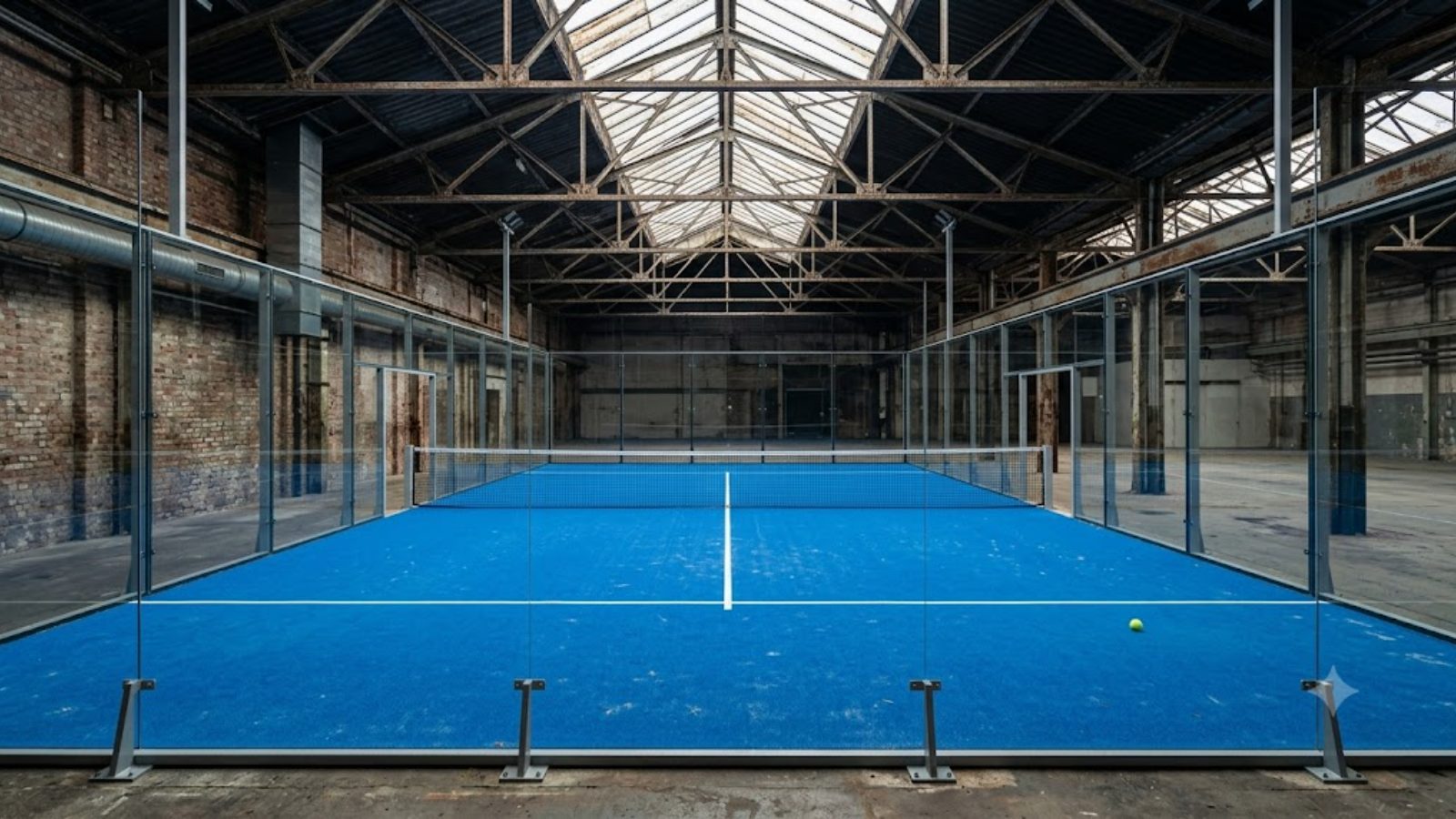
The weekend paper asks whether the glass-walled Spanish import eats pickleball’s lunch. The pickleball industrial complex was a real capex cycle, with courts, clubs and paddles at $250. Padel’s bet is that Americans will pay for scarcity and glass walls. No trade. Excellent cocktail-party hedge.

American cities are running out of children.
Big metros face a rapid decline in resident families with kids. The bouncy-house block party is becoming a suburban export. School-district math, municipal bonds, and apartment REIT floorplans all price this eventually. The family that leaves takes two decades of local spending with it.
From the desk Bias, the book, what’s priced, the planopen
Part I is the build-out half of the week. The AI trade grew a credit desk, with Nvidia backstopping its biggest customer’s debts. China listed a $484 billion answer to it. The labor market kept refusing to be automated away. Under the noise, the money kept doing what late-cycle money does. It hunted scale (United-Delta), yield (the tobacco capex), and rails (tokenization, prediction markets). Direction: cautious on how the AI complex is financed, constructive on the employed American consumer, unchanged on the index-over-shiny-things bet the prediction markets themselves are making at 64%.
One reinforce: PM, inside the July 22 tobacco sleeve, on the Aurora capex. Three watches opened: MU (CXMT), HOOD (event contracts), UAL/DAL (consolidation). No sells. Cash (SGOV) is unchanged this week. The sleeve funding was last week’s story, and we won’t repeat it.
- DJIA52,210.08 +0.51% (+262.83)
- NASDAQ24,932.08 −0.2%
- STOXX600 644.62 +0.02%
- 10Y4.640%
- OIL$82.61 −$6.70
- GOLD$4,074.50 +$6.90
nothing in Part I changes a financial plan. The 401(k) material in Part II might.