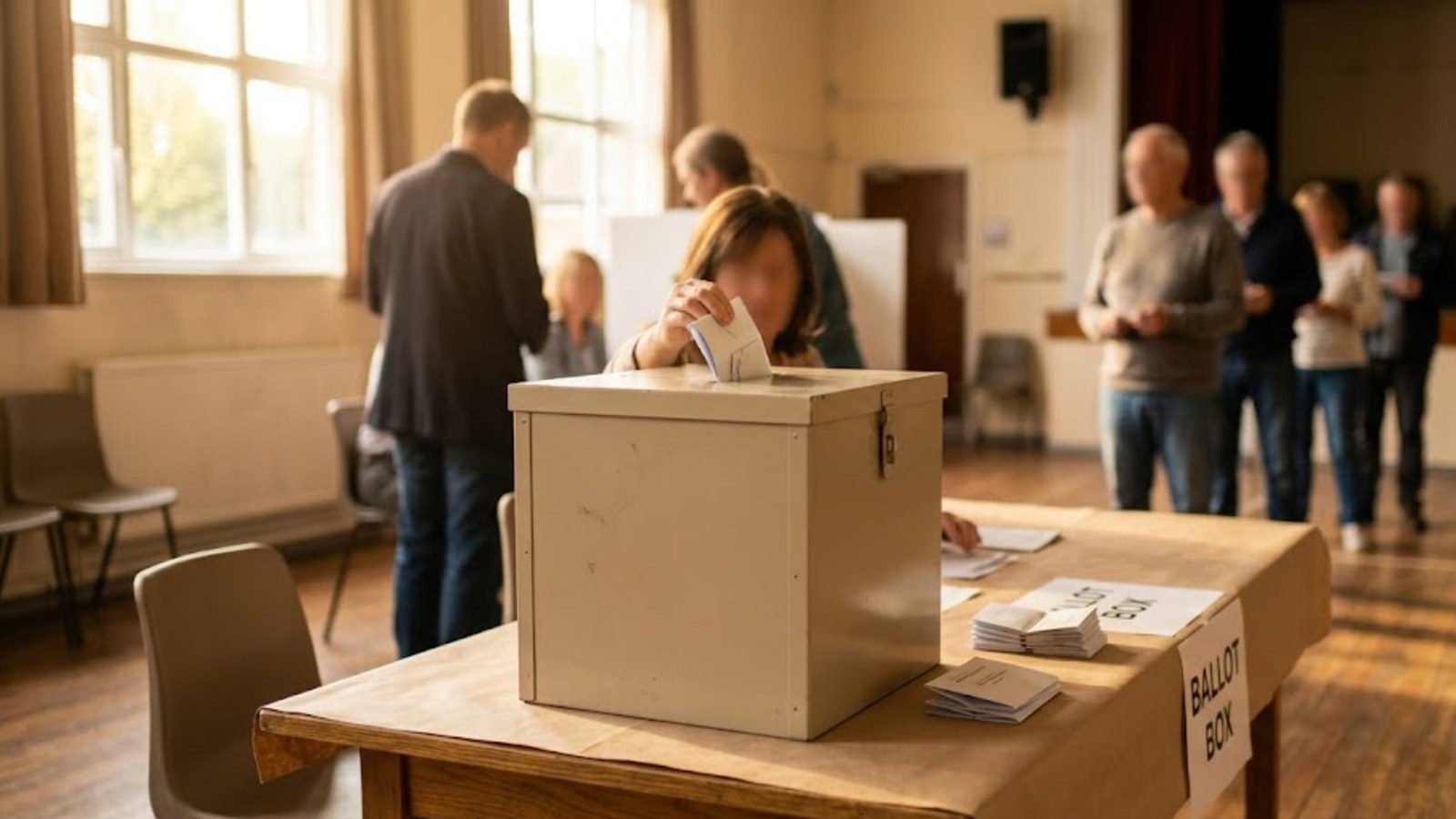
Here's a trick with a pen. Take a law that limits school taxes through 2024-25. Strike a few characters. Now it reads 2425, and the limit runs for four centuries. The Journal's editorial board says that's what Wisconsin's governor did with a partial veto. On Tuesday, Nov. 3, Wisconsin voters weighed in on whether a governor can raise taxes that way.
That measure is Wisconsin's Question 1. It was one of nearly 150 state ballot measures across the country on Tuesday, by the Journal's count. Most were about voting rules, redistricting and social issues. We'll leave those alone. Three touched a household budget directly. The results weren't in either paper when we wrote this, and we won't guess at them.
Three measures that reach a kitchen table
Colorado's Amendment 82 would write a "right to purchase natural gas for cooking or heating" into the state constitution. The editorial itself says it "shouldn't be needed" but backs it as protection against future climate rules. We take no side. For a household, it's a question about what fuel you can buy for the stove and the furnace, and what that costs to run.
Arizona's Prop. 319 would ban new traffic cameras, the photo systems that mail you a ticket. Cameras already in place would need voter approval to stay. That's a small-dollar item next to a tax rule, but a ticket in the mail is a budget line too. And Wisconsin's Question 1 is the one with the longest reach. A veto rule sounds like a lawyer's detail. It decides how a school tax limit gets set, and that lands on a property tax bill.
Our read
This is a Tax story. Federal tax law gets the headlines. State rules change at the ballot box, often in a line most voters skip. A veto rule in Wisconsin shapes how a school levy is capped. A gas amendment in Colorado shapes what a kitchen can run on. Neither is a market event. Both land in a monthly budget, and both get decided by the people who read past the top of the ballot.
The check this week is simple. Once your state's results are final, pull up your property tax bill and your gas bill side by side. Find the line a new rule could touch, the school levy or the heating fuel, and write down what it costs now. That's your baseline for next year's bill. Plan after the count. You check the roof once the storm's path is known, and if you'd like a second pair of eyes on those two bills, bring them to your next review.