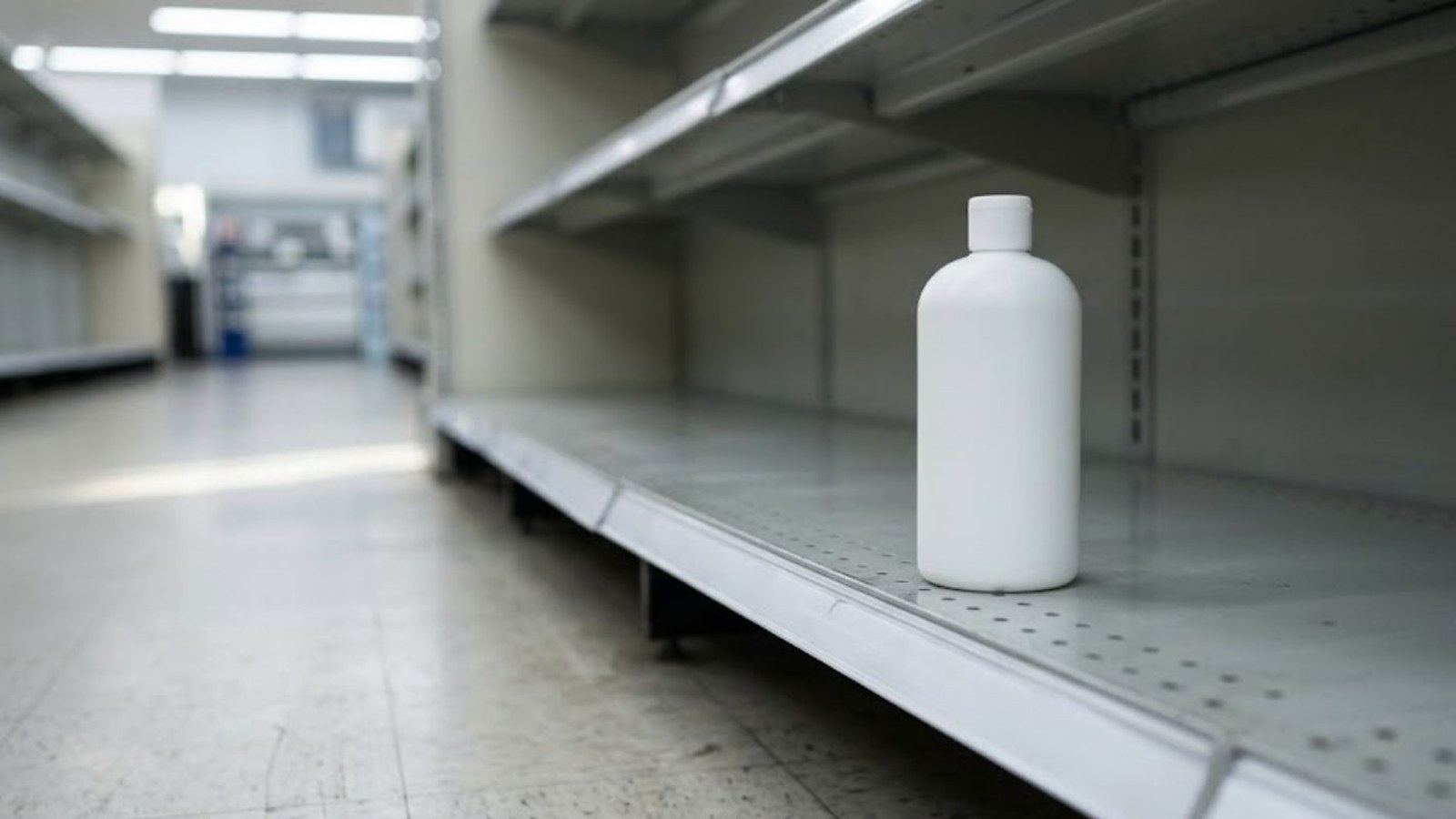
Britain's Defense Secretary Wes Streeting wanted a serious talk. He asked every home to keep enough on hand for 72 hours. No power, no water, no food coming in. He warned of Russian sabotage, hacking and floods. Then Housing Minister Angela Rayner went on the radio with her own list. Mascara. Concealer. A tin of baked beans. A tin of custard.
Prime Minister Andy Burnham did his best to stay serious. Visiting a fire station near Liverpool, he suggested cans of soup and beans. He also confessed he'd need Twiglets, a yeasty, pretzel-like snack. “I'm not sure how long I can get by without those,” he said. Finance minister John Healey is one of the few who's truly ready. His disaster is running out of HP sauce, a tangy brown sauce. He carries a bottle everywhere. “The hard truth of it is that I love HP sauce,” he said earlier this year. James Murray, a treasury official, admitted he mostly has a lot of coffee and hasn't followed the advice yet. Rayner later added water to her list.
Behind the neighbors
The jokes hide a real gap. For years, officials couldn't get the public to take preparing seriously. Sweden has a national idea called total defense, where everyone shares the job. Germany runs a network of volunteer units with more than 1.7 million people registered. The British find a fuss embarrassing. Keep calm and carry on, the wartime slogan said. Nobody wants to be seen clearing a shelf of bottled water. The Journal's James Hookway reports the message is getting through anyway. Josh Pringle at Sgt. Prepper's, a survival store, says he's never seen it this busy. People want freeze-dried food, wind-up radios and water-purification tablets. Leigh Price, an army veteran who runs a survival shop in Wales, now does interviews every week.
A PR expert told the paper the mix is working. Streeting's seriousness and Rayner's silliness together catch people's attention, with Burnham in the middle. The government's Be Ready campaign says only that different households have different needs. The British even have their own name for the kit. Not a go bag. An emergency box, or an emergency cupboard. You don't flee with a cupboard. You stay and open it.
Our read
This is a Cash Flow story, M5 in our planning map. A 72-hour box is an emergency fund you can eat. You build it on a calm Tuesday for a few pounds a week. You can't build it during the storm, when the shelves are bare. Money works the same way. Britain's target is three days. Our house guidance for a cash reserve is three to six months of spending, in a plain savings account you don't invest. Different households have different needs, as the campaign says. A two-income home might sit nearer three. One income, or work that pays by the project, nearer six.
So here's the check for this week. Open the account you'd call your emergency fund and count the months, not the dollars. Divide the balance by one month's real spending. If the answer is under three, that's the tin of beans missing from your shelf. Set up a small automatic transfer and let it fill. If you'd like a second pair of eyes on the count, that's what a review is for. The British have one thing right. You don't start the cupboard when the lights go out.