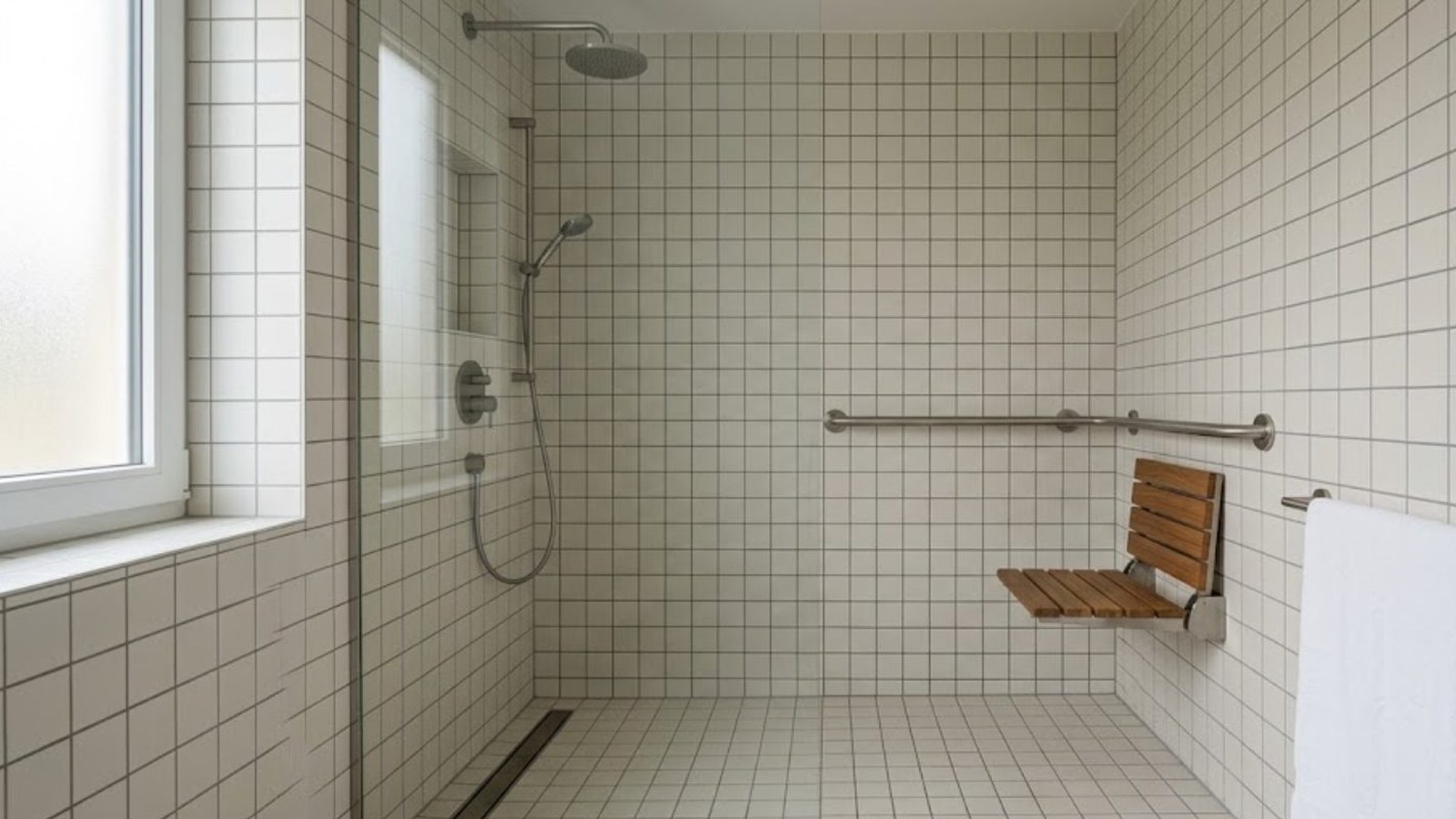
Michael Scales is a Coast Guard veteran. For a while, some nights he slept in his car. The alternative was his old senior building. The hall carpets were dirty, the front gate was broken and people sold drugs inside. Today his rent is $425 a month. That's for a one-bedroom, and it covers utilities. His new home sits on a corner lot that a church in Decatur, Ga., has owned for years.
The project is called Solace Grove. First Baptist Church on Gresham Road teamed up with a developer and built 125 apartments on a 5.3-acre lot. The bill was $37 million. Low-income housing tax credits covered part of it. To live there you have to be 62 or older and earn no more than 60% of the local median income. Median means the middle, where half earn more and half earn less. Scales' rent comes through a federal voucher that caps a veteran's rent at 30% of income.
Yes in God's backyard
The Journal's Anvee Bhutani calls the trend YIGBY, short for Yes in God's Backyard. Churches that have lost members, or that own more land than they need, are letting developers put affordable apartments on it. The rent keeps the church going. The apartments help a town short of homes. The pews tell the story. In 2013, 31% of Americans went to services at least once a week. By 2025 that was 26%. Over the same years, the share who seldom or never go went from 42% to 53%. And the land is vast. Berkeley's Terner Center found 47,000 acres of faith-owned land in California alone that could be built on. These projects take years, and no two deals look alike.
The biggest example is in Brooklyn. Ten years ago, Pastor A.R. Bernard looked at the Christian Cultural Center's big parking lot and saw housing. Last month officials cut the ribbon on 385 affordable apartments there. State tax credits, city and state housing programs and an investment from Goldman Sachs (GS) paid for the $270 million first phase. The full 10.5-acre campus is planned for about 2,000 apartments, plus a grocery, a trade school and a daycare. It took Bernard eight years of meetings over building heights and density. "The juice is worth the squeeze," he said. In the Bronx, a pastor who has led his church for more than five decades gets a new sanctuary on the ground floor. Above it, 13 floors of apartments for seniors are going up. In Concord, N.C., a boarded-up church became the Sanctuary Apartments. A single mother there rents a two-bedroom for about $1,380 a month and hopes to save up for a home of her own.
Our read
This is a Housing · M6 story, with an Estate angle for anyone who sits on a church board. Goldman Sachs (GS) is held at weight in 19 books; nothing added. For older readers, the news is that senior affordable housing is a real category with real rules. Age 62 and up. Income at or under 60% of the area median. Veterans can add a voucher that caps rent at 30% of income. They're programs with waiting lists, and the lists reward the people who apply early. For a congregation, idle land is an asset. A ground lease, where the church keeps the land and rents it out long-term, can fund the mission for decades without selling the sanctuary.
Here's the one check this week. If you or a parent has a retirement budget where rent eats more than 30% of income, look up the senior affordable buildings nearby and ask about their waiting lists. If you're a veteran, ask the local VA office about the housing voucher. And if your church's parking lot is bigger than its Sunday crowd, ask the board whether anyone has walked it with a developer. You get on the list before the lease runs out, the way you find the umbrella before the sky opens.