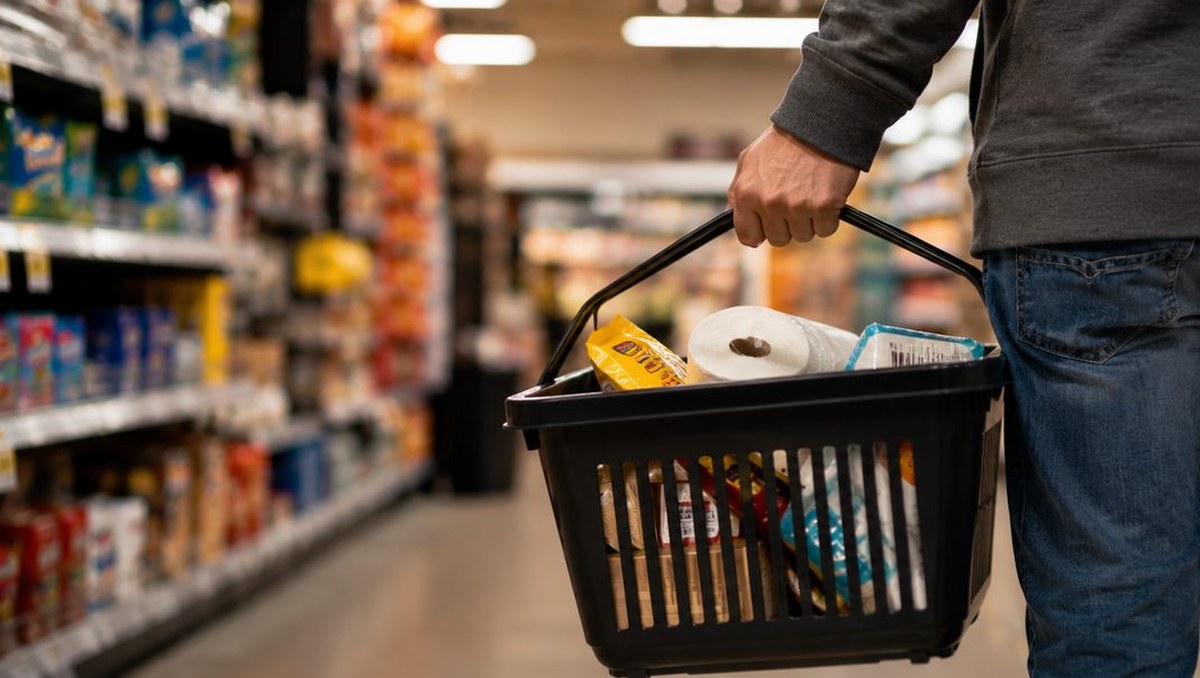
Lori Hartline is 55 and lives in eastern Oklahoma. Her Dollar General (DG) receipts kept coming in higher than the total she'd figured in the aisle. So she began taking a phone photo of each shelf tag and matching it to the receipt at home. Over three months, she said, nine of 27 items rang up higher than the tag. The Journal's Sarah Nassauer and Hanna Krueger tell her story on Monday's Business & Finance front.
The gaps were small. A loaf of bread marked $2.80 rang up at $3.35. That's 55 cents, about 20% more. Cat litter marked $10.30 rang up at $11.30. Clerks told her the prices came from headquarters. Once they said the printer was out of ink. She complained to Oklahoma's attorney general three times. The company offered her a $10 gift card. She eventually sued, in a class action that has since been settled.
Last week the complaint went federal. The Federal Trade Commission, joined by 20 states, sued Dollar General in federal court in Tennessee. The claim is simple. The register, the suit says, often charges more than the shelf tag or the ad. The suit points to the company's own complaint log. From January 2023 to March 2026 it held more than 29,000 entries filed under “did not honor marked price.” They came from all 48 states where the chain operates. The FTC calls the problem pervasive and systemic. Dollar General's answer is that its pricing practices are like other retailers', and that gaps can still happen now and then despite its rules. It's fighting the suit. It also says it's open to talks. These are allegations. Nothing has been decided.
Why the tag and the register disagree
The paper tag is the weak link. Prices change more often since inflation picked up, a retail consultant told the Journal. Dollar chains run thin margins and staff as few as one or two workers a shift. A former worker in South Bend, Ind., said she was sometimes the only person in the store, running the register and stocking shelves at once. Shoppers abandoned carts when the register didn't match the tag. Company policy says a manager can and should match the lower shelf price. A 2023 McKinsey presentation, made public in an earlier suit, blamed “gaps in tech capabilities.” The company says it now limits weekly price changes and gives workers shifts before opening to update tags. This isn't new ground. Dollar General has reached seven settlements with six state attorneys general and consumer agencies since 2018.
Our read
This is a Consumer Protection · M11 story, and our verdict for the shopper is watch. Dollar General runs more than 21,000 U.S. stores, often in small towns where it's one of the few places to buy groceries for miles. Its customers tend to be on fixed budgets. Many walk or bike there to save on gas, the CEO told investors. For them, $5 or $10 extra on a trip is real money. Overall prices are up more than 29% in six years by the consumer price index. A tag that's wrong by a dollar on top of that is the kind of leak that's hard to see and easy to stop. For the stock, Dollar General (DG) is held at weight in 7 of our model books. Nothing added. We'll watch the Tennessee case like any other allegation, and we won't guess how it ends.
Here's the connection to your own money. If you live on a fixed income, the grocery receipt is the one line in your budget you touch every week. Do what Hartline did, once, this week. Photograph the tag on three items before you check out. Then read the receipt before you leave the store. If a price is higher, ask for the shelf price. The company's own policy says the manager should match it. Keep the photo if they don't. A paper trail is what turned one Oklahoma shopper's complaint into a federal case. You check the roof while the sun's still out. If you'd like help finding the other leaks in a monthly budget, that's what a review is for.