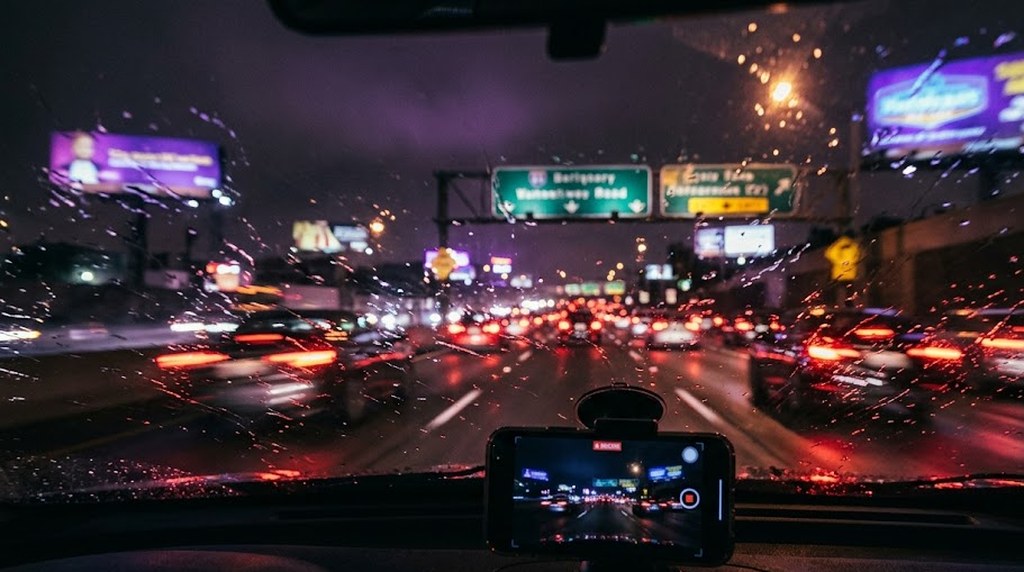
A Journal reporter floored a Lexus in Fredericksburg, Va. The engine quietly said no. A small screen by the dash knew the speed limit and wouldn't let the car pass it. About 100 Virginia drivers now live with that box.
Scott Calvert's story in the Tuesday, Nov. 3 Journal explains the program. Since July, Virginia has installed about 100 GPS speed limiters. Most users were convicted of reckless driving, often at more than 100 mph. They took the device instead of losing their license. It works like the breath-test lock a drunk-driving conviction can put on a car, only for speed. The government says speeding plays a part in more than 10,000 deaths a year.
The device reads GPS and a map of speed limits. As the car nears the limit, the engine loses power. A red override button lets you go 5 mph over, twice between starting and shutting off the car, for 30 seconds each time. It doesn't brake, so a downhill can still carry the car over. On the test drive it took a few seconds to switch from a 65 zone to a 45 zone. There have been glitches. One device capped a car at 35 mph on a highway. Officials blame GPS drift and say a fix is coming. One driver tampered with his box, which is a potential crime, and is out of the program.
Who pays, and for which cars
This is spreading. Washington, D.C., had five drivers enrolled as of Oct. 21. Laws are on the books in D.C. and eight states. Rollouts from Hawaii to Georgia are planned over the next couple of years. By the paper's map, California has introduced a bill and hasn't passed one. The state delegate behind Virginia's law told the Journal this one is easy and solves a problem. Now the bill, for the driver. Users pay unless they can't afford it. Installation runs up to $100, and the paper says monthly fees total $180. Every car the person owns or drives needs a device, the family car included. Enrollment has run from 60 days to six months.
Our read
This is an Insurance and Consumer Protection story (M11), with a Cash Flow side (M5). A reckless-driving conviction costs far more than the ticket. There's the device, the fees, the months, and a box on the spouse's car too. And there's the part the story doesn't price. A reckless-driving record follows you to your car insurance renewal, and insurers charge more for it, often for years. The Journal gives no premium figures, so we won't either. We'll just say the cheapest speed limiter is the one you never need.
Your check this week is the teen driver, or the fast driver, on your policy. Pull up your auto policy and look at who's listed and what each record is costing you. Many policies show a surcharge line for violations. If there's a new driver in the house, have the talk about 100 mph before the first ticket. The limiter, the fees and the premium all arrive together. The umbrella for this one is a conversation at the kitchen table. Bring the policy to your next review and we'll look at the whole picture.