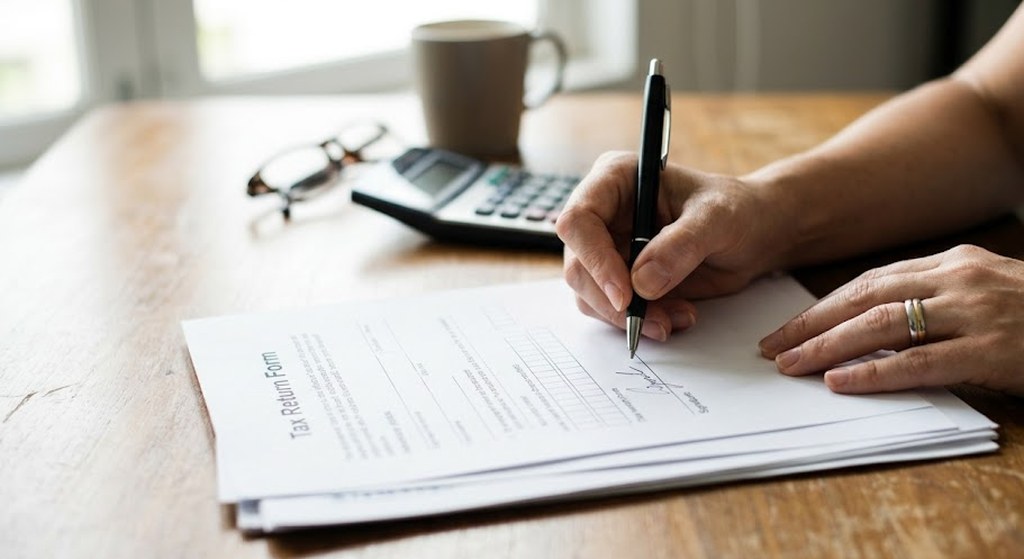
The neighbor who does a few dozen tax returns every spring may need to go back to school. A provision in a Senate tax bill would require independent preparers to take as many as 18 hours of continuing education a year. Lawyers and CPAs would be exempt. The Journal's editorial board took it apart on Tuesday's opinion page. We'll stick to what the bill does and what it means for the person who signs your return.
The provision is Section 504 of the Taxpayer Assistance and Service Act. It would expand background checks on independent tax preparers and set the 18-hour ceiling on yearly classes. Sen. Ron Wyden of Oregon and other backers say the rule would protect taxpayers from bad or dishonest preparers. The editorial board sees it differently. It argues the real winners are large chains such as H&R Block (HRB) and Jackson Hewitt, which would face less competition and find it easier to raise prices. That's the editorial's opinion. One fact sits under the whole fight. Anyone paid to prepare returns already registers with the IRS and gets a PTIN, a preparer ID number. It appears on each return they help with, so the IRS can see whose returns keep coming back wrong.
This has been tried. In 2011 the IRS set out to license preparers on its own. The Institute for Justice sued. In 2014 a unanimous D.C. Circuit panel said the IRS had no power to do it without Congress. A law from Congress would fix that. The tax bill passed the Senate unanimously on Sept. 30. Senate Finance Chairman Mike Crapo of Idaho sponsored it, and the editorial says committee Republicans accepted the preparer provision to win Democratic support. The House takes the bill up after the election and could remove the section. Nothing is law yet.
The number the argument turns on
The editorial's case leans on one figure. Error rates on electronically filed returns run about 1%, by the U.S. Financial Readiness website. It also points to AI tools that can flag mistakes before a return is filed. Whether that's enough protection is the argument Congress will have. We don't have a side in it.
Our read
This is a Tax story, and our verdict is hold. Whatever the House does, the bill tells you something useful about the person who does your taxes. There are tiers. Attorneys and CPAs would be exempt. They already hold a state license, with its own yearly classes. Independent preparers have a PTIN and, under this bill, would need classes too. Neither tier is right for everyone. A simple return with a W-2 and a mortgage doesn't need a CPA. A return with a small business, stock sales and a rental probably shouldn't ride on a seasonal preparer alone. The fee usually tracks the tier, so you're paying for the one you pick either way.
Here's the connection to your own money. Pull out last year's return. Look at the bottom of the second page, in the box marked Paid Preparer Use Only. There should be a signature and a PTIN. If that box is blank and you paid someone, that's a problem on its own. Then ask that person two things before the season starts. Ask what credential they hold, and how many hours of tax education they did this year. A good preparer answers in a sentence. You check the umbrella in the hall closet before the clouds roll in. If your return has grown more complicated than the person doing it, a review can tell you which tier you actually need.