Sammy Cossairt has done the call-center job and the restaurant job. The one she kept is hundreds of feet in the air. She's 36 and runs a tower crane in Nashville, Tenn., lifting rebar and buckets of concrete. She makes $120,000 a year.
The Journal's Te-Ping Chen put her on the Monday, Nov. 2 front page. Cossairt's degree is a liberal-arts associate, earned more than a decade ago. A crane wasn't the plan. Nearly 10 years in the cab later, she says the seat feels like home. The shifts run 12 hours. She told the Journal more women would want this work “if they only knew.”
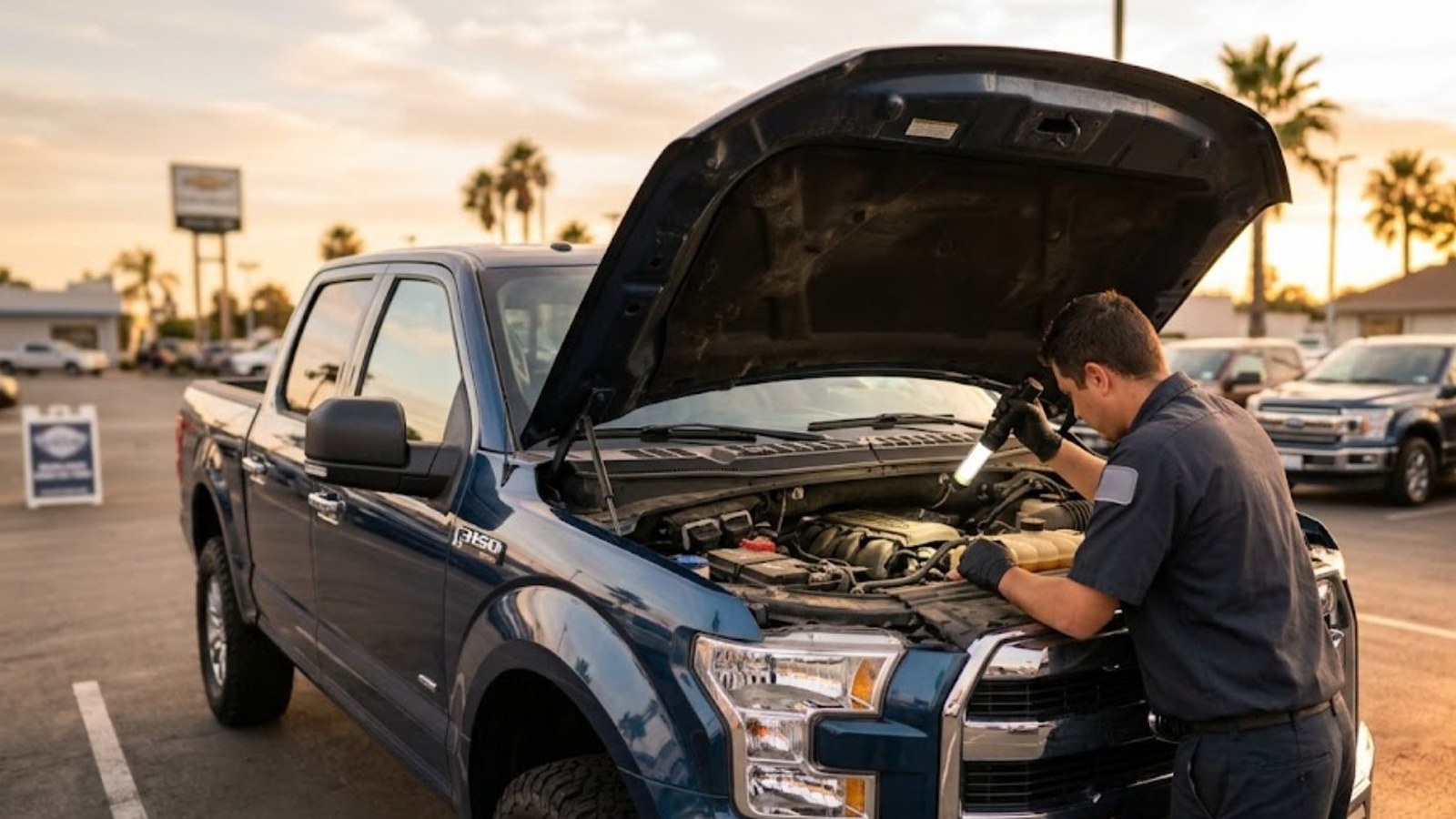
The numbers are small and moving. Women were about 4.4% of construction, installation and repair workers last year. A decade earlier it was 2.9%. At Universal Technical Institute, which trains mechanics and welders on 17 campuses, 8% of students are women. That's four times the share five years ago. In collision repair it's 19%. The work has gotten more technical. Mechanics plug cars into computers. Welding and electrical work reward attention to detail as much as muscle.
Paid leave is part of the pay
Companies want these workers and are changing the job to keep them. Mortenson started 12 weeks of paid leave for birth mothers in its skilled workforce in 2024. Women are now more than 10% of that workforce, up from 7% a decade ago. An executive there calls the trades one of the few careers that feel AI-proof. Turner Construction brought in $29 billion last year and expects about $35 billion this year, partly from data centers. It puts heated and cooled bathrooms on sites. Senior leaders get on a call within four hours of any harassment report. Skanska makes sure women get gloves and boots that fit. Rebecca Heustess, 42, a tile foreman in Henry, S.D., makes $65,000 after 20 years. She still meets men who ignore her instructions. She stays because she loves leaving behind something that lasts.
Our read
This is a Career story and a Cash Flow one (M5). Two things stand out for a family doing the math on college. First, the trades can pay six figures without four years of tuition debt. Cossairt's associate degree plus nearly 10 years of skill got her to $120,000. Second, benefits are now part of the pay. Twelve weeks of paid leave, a flexible site schedule, a clean break room. Compare those the way you'd compare salaries. One more thing. A crane cab is a physical job. A physical job needs a retirement plan that doesn't depend on the body lasting until retirement age, and disability cover for the years when it might not.
If there's a teenager in your house hearing only about college, put the trades on the list this week. For anyone already working a physical trade, two checks. Open the 401(k) and see whether you're putting in enough to get the full company match. Then find the disability line in your benefits. A bad fall is the real risk to a crane operator's pay, and that policy is the umbrella. You buy it while the sky's still clear. Bring both numbers to your next review.