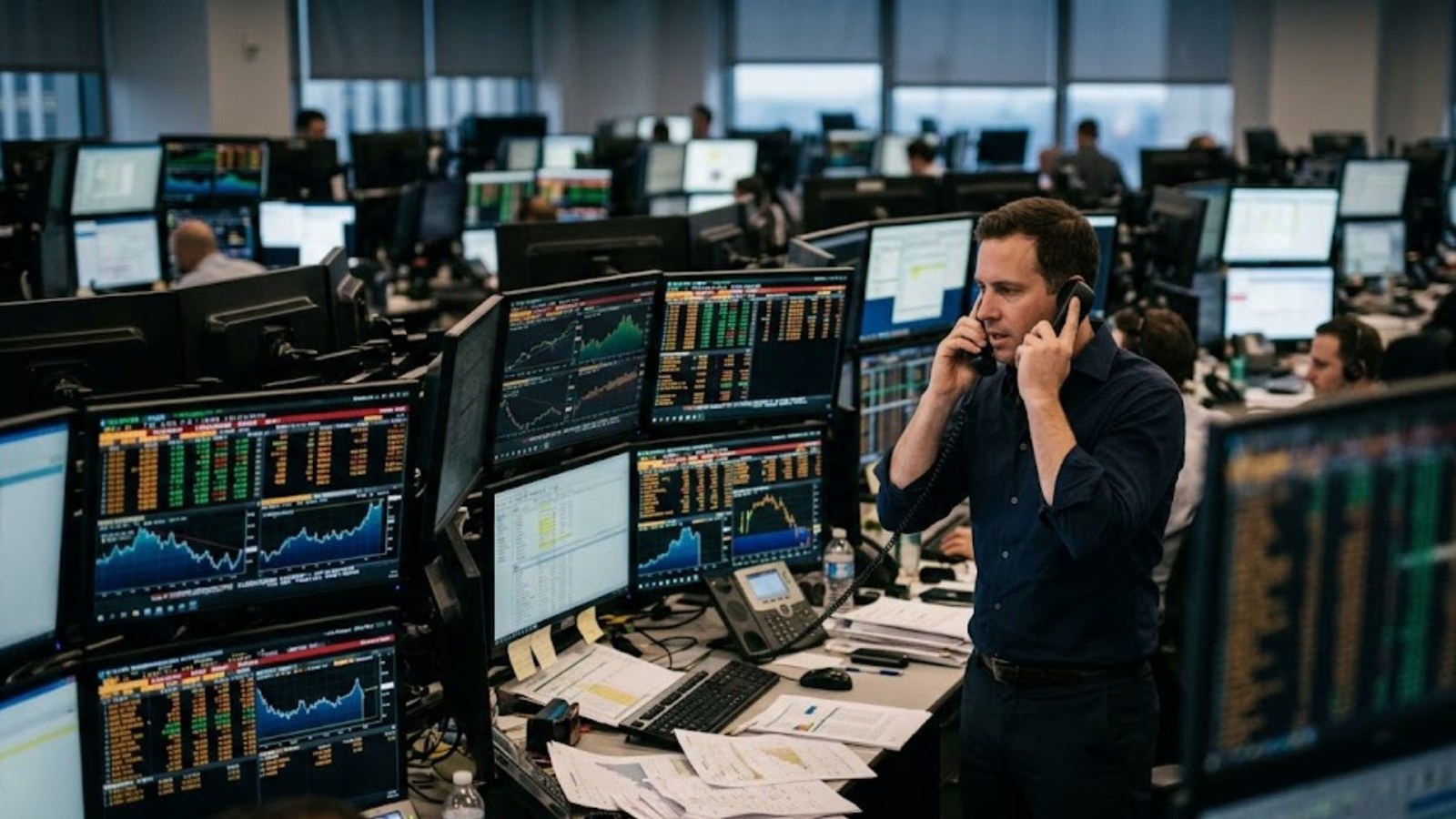
Nvidia (NVDA) ended Thursday, Nov. 5 lower than it started 2026. That one line tells you how hard the day was. The Nasdaq lost about $2.5 trillion of value, the most ever in a single day. The S&P 500 fell 4.36% to 7,353.73. The Dow lost 1,833.06 points, or 3.44%. Every sector fell. The why is the story.
The Journal's David Uberti, Jack Pitcher and Hannah Erin Lang lay out the chain. It started with the riskiest AI companies, the ones that borrowed heavily to grow. Their debt came under strain first. Then Amazon (AMZN) and Alphabet (GOOGL) reported earnings that fell short. Then came the midterms, which the paper says put AI skeptics in power. Several newly elected governors had promised limits on data centers. Mike O'Rourke of JonesTrading told the paper that chips and memory drive S&P 500 profit growth, so next year's earnings forecasts “can no longer be trusted.”
Oil set part of the timing. Crude fell hard Wednesday, which briefly raised hopes on inflation. On Thursday it bounced back $2.40 to $90.52. Early on, options traders rushing to cover positions helped start the slide, said Ben Emons of FedWatch Advisors. As losses grew, computer-driven funds added to the selling. The chip index fell 12.25%, its worst day since the depths of the pandemic. The Magnificent Seven lost about $1 trillion of value by the afternoon. “It seems like the rug is getting pulled out from under it,” said Jonathan Corpina of Meridian Equity Partners.
Where the money hid
There was no sector to hide in. The Journal's editorial page points out that every S&P 500 sector fell on the same day, the first time in months. Even consumer stocks, where profit-takers had been parking money, went down. Money went to Treasurys instead, and the 10-year yield eased to about 4.84%. The equal-weight S&P 500 fund (RSP) fell 2.89%. The regular fund (SPY), which gives the biggest companies the biggest share, fell 4.41%. Same 500 companies, about a third less damage. The S&P 500 now sits about 6% under its Oct. 6 record. The Nasdaq, more than 10% down, is in a correction.
By our own pull Friday, Nov. 6, the Labor Department said employers added 165,000 jobs in October, against roughly 60,000 expected, and unemployment fell to 4.1%. Polymarket, by our pull at 10:58 a.m. PT, priced a quarter-point Fed increase in December at 78%, a crowd price and not a forecast.
Our read
Investments/Risk · IN04. The lesson is concentration, too much money riding on too few names. A cap-weighted fund gives its biggest companies the biggest share, and this year those were the chip and AI names. So a policy shift aimed at one industry pulled down the whole fund. The plan for a day like this was written weeks ago. The North Star's dated second third went in Friday, Nov. 6, after the open. The equal-weight S&P 500 came first, then small slices of GE Vernova (GEV), Vistra (VST) and NextEra (NEE). That was our decision for our model books, not advice. The last third has no date. Nvidia stays held in 31 books, RSP in 9. Nothing was forced.
Here's the check for your own money this week. Open your 401(k) or IRA and find the S&P 500 or total-market fund. Look at its ten largest holdings. If seven of them are the same tech and chip names, your spread-out fund leans on one corner, and Thursday showed how that corner behaves. Decide now how much of that lean you want. If you'd like a second set of eyes on that number, that's what a review is for.