Diesel reached $8.439 a gallon in California on Sept. 22, in a month when the national average also set a record, $6.528, and you'd think this is when the electric truck finally wins. It doesn't. Paul Berger's Logistics Report on Friday's B1 finds the truckers who went electric at the Ports of Los Angeles and Long Beach are the ones asking for a subsidy — even at these pump prices, they say, diesel rivals undercut them. If you've ever been told a purchase would pay for itself, read this one before you sign.
For three years, a zero-emission truck would earn $60 for every container it picks up or drops off, up to $36,000 a year per truck. The $60 million to pay for it would come out of the clean-truck fund, fed since 2022 by a $10 charge each time a diesel rig visits; that fee has brought in more than $350 million, and only a fraction has gone out, in part because chargers and new trucks can take years to show up. Both port boards are expected to vote in the coming months; it's a proposal, not a program. Gene Seroka, who runs the Port of Los Angeles, says struggling carriers came asking for help earlier this year, though he doubts a subsidy alone is the answer.
Why doesn't record diesel do the job on its own? Because fuel is one line on the invoice. A zero-emission rig can cost three times what a diesel truck does. Then come chargers, costlier financing, pricier insurance — and the hours. Ping Burke of Compton-based Tradelink Transport grants the electric truck can win on energy cost; but a truck parked at a charger isn't moving a box, and downtime can hand the savings back. Rudy Diaz of Hight Logistics in Long Beach has run electrics since the end of 2022 and says the fleet lost money in 2023, 2024 and 2025 and is still upside down next to diesel. Robert Loya of the Harbor Trucking Association, which asked the ports for the help: “Everybody wants sustainability, but nobody wants to pay for it.”
What this does to the price of a box
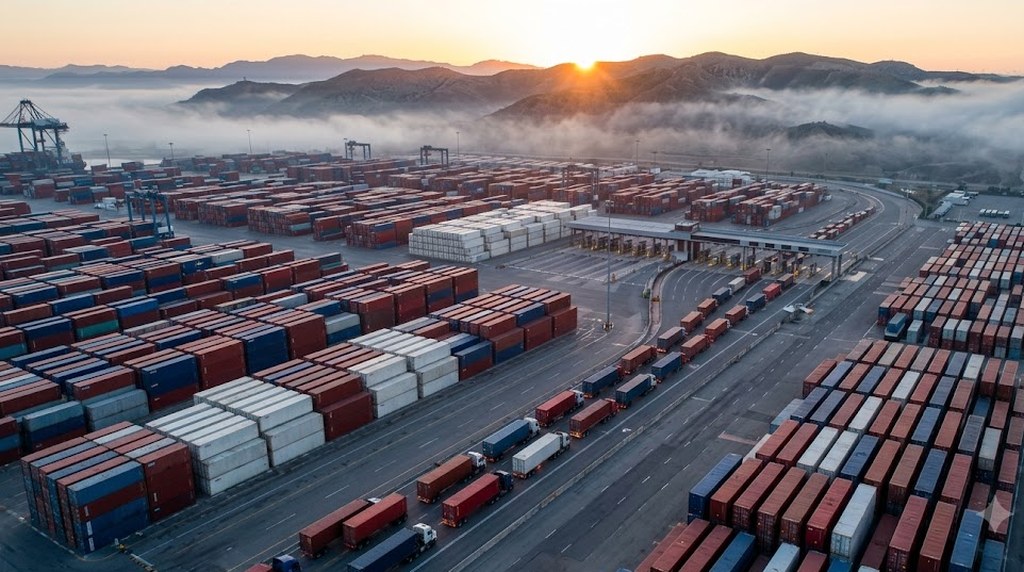
The two ports run the country's busiest container complex and, per state regulators, one of Southern California's largest sources of air pollution. The 2017 plan was no diesel trucks by 2035; port data count fewer than 700 zero-emission rigs among the 17,000 trucks that call there, about 4%. California, anticipating federal opposition, dropped rules that would have forced the switch. So the truck that hauls your dishwasher from the dock to the warehouse is still, for now, a diesel, burning the most expensive fuel in the nation. Diesel has slipped a little since, but sits near the record.
Our read
This is Time Value of Money (M3) and Cash Flow (M5), and the household version is exact. A port trucker comparing an electric rig with a diesel one is doing total cost of ownership — purchase price, financing, insurance, downtime, resale — not the fuel line alone. Any time someone says a thing pays for itself — an EV, solar, a heat pump, a rental — we'd run that same table. What does it cost to own, not just to run? The early adopters didn't get the energy math wrong; the rest of the table went against them — price, financing, downtime and a mandate the state dropped — and one fleet says it's lost money three years running. Now they're asking the ports to close the gap.
For a Southern California household this is also a cost-of-living story: much of what arrives in a box crosses those docks on a diesel truck, and the fuel bill rides along to the shelf. The defenses are a budget with some slack for fuel and goods prices and, in the books, an energy sleeve held as the hedge for this kind of bill — Chevron (CVX) in 37 books, Exxon Mobil (XOM) in 34, Valero (VLO) in 12 — at weight, nothing added. The umbrella is the second column on the spreadsheet: before the next purchase that promises to pay for itself, write down what it costs standing still.