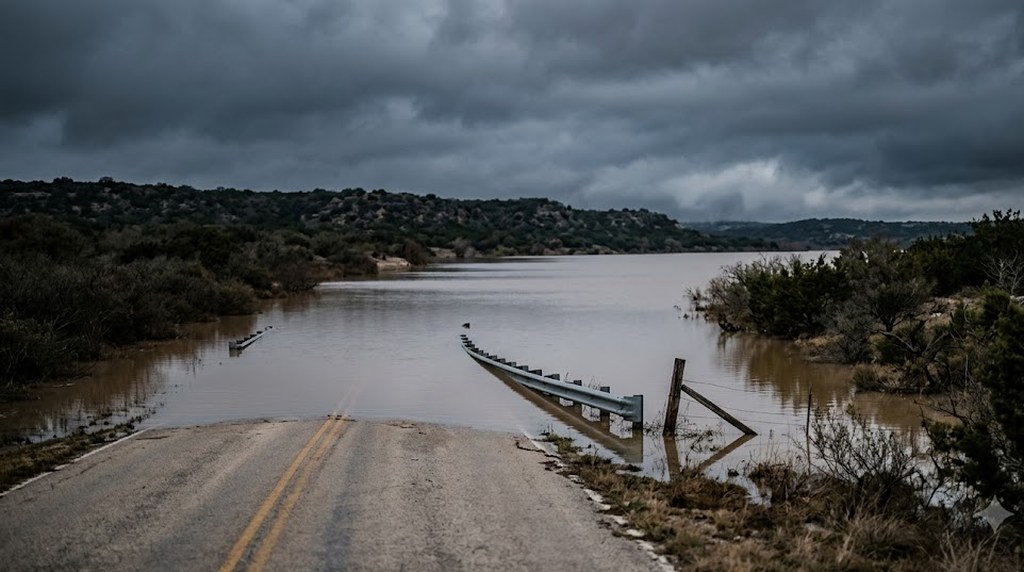
Isaias, the Atlantic's First Hurricane of the Year, Reaches Category 2 and Heads for the Gulf Coast
Six days ago we wrote that the Atlantic had gone the whole year without a hurricane. On Thursday, Gulf Coast storefronts were going under plywood. A quiet season is a reason to check the policy, not to skip it.
By Sean Anees Saifi · Capital Wealth · Published Friday, October 9, 2026 · Source: The Wall Street Journal, Friday, October 9, 2026, whose market figures are the Thursday, October 8 close (U.S. News)
Key Points
Isaias reached Category 2 strength Thursday on its way to the U.S. Gulf Coast — the Atlantic season's first hurricane, per the Associated Press brief on A3.
The forecast as of Thursday: rapid strengthening before landfall late Friday or early Saturday, dangerous conditions for the Florida Panhandle and the southern parts of Alabama and Mississippi, and a chance of heavy rain and flooding reaching Tennessee and North Carolina over the weekend.
Alabama Gov. Kay Ivey ordered nonresidents out of Gulf Shores, Orange Beach and Dauphin Island; tourists were ordered off the beaches, and locals hurried out for gas and groceries. The page's photos: plywood going up over storefront windows, sandbags being filled.
Everything about landfall was a forecast as of Thursday's paper. The planning facts don't depend on the track: the wind or hurricane deductible on a homeowner's policy, and the waiting period — commonly about 30 days — before a new flood policy pays. Both are general knowledge; check your own documents.
Cat. 2
Isaias's strength Thursday as it headed for the Gulf Coast
1st
hurricane of the Atlantic season — the streak we wrote about Oct. 3 is over
3
Alabama beach communities ordered cleared of nonresidents: Gulf Shores, Orange Beach, Dauphin Island
~30 days
typical wait before a new flood policy pays — general knowledge, not in the brief; check yours
The Oct. 3 piece said the risk had moved, not left; six days later the first Atlantic hurricane of the year was a Category 2 with the Gulf Coast in front of it.
In one line: The Atlantic's hurricane-free year ended Thursday with Isaias, a Category 2 forecast to reach the Gulf Coast late Friday or early Saturday — and the insurance homework we recommended in the calm is now overdue for anyone who skipped it.
On Oct. 3 this desk wrote that the Atlantic hadn't produced a hurricane all year, that the risk had moved to the Pacific rather than left, and that a calm season is when you read the policy. On Thursday the calm ended. Isaias reached Category 2 on its way to the Gulf Coast — the Atlantic's first hurricane this season — and the Journal's A3 ran the pictures a Gulf town makes before a storm: plywood going up over a storefront, men shoveling sand into orange bags beside a pickup.
The Associated Press brief gives the forecast as of Thursday: fast strengthening, landfall late Friday or early Saturday, dangerous conditions across the Florida Panhandle and the southern reaches of Alabama and Mississippi, and the chance of heavy rain and flooding as far inland as Tennessee and North Carolina through the weekend. Alabama Gov. Kay Ivey ordered nonresidents out of Gulf Shores, Orange Beach and Dauphin Island. Tourists were ordered off the beaches; locals hurried out for gas and groceries. By the time you read this, some of that will have happened or not — we're writing from Thursday's paper and won't guess at the outcome.
What doesn't depend on the track is the paperwork. Two items, both general knowledge rather than anything in the brief: a homeowner's policy in a coastal state often carries a separate wind or hurricane deductible, frequently written as a percentage of the dwelling coverage rather than a flat dollar figure — so the first check is what that percentage is and what it comes to in dollars. And flood damage is typically not covered by a homeowner's policy at all; a separate flood policy usually has a waiting period of about 30 days before it takes effect, which is why a policy bought the week a storm has a name usually won't cover that storm.
Our read
This is Insurance and Consumer Protection (M11), and the point is the same one we made Oct. 3, now with a storm attached: a quiet stretch isn't a reason to let coverage drift, because a quiet year can still produce a storm — this one arrived in October. For anyone in a wind or flood zone, pull the declarations page and answer three questions in writing: what's the hurricane deductible in dollars, is there a flood policy and when did it start, and does the dwelling limit still cover rebuilding at today's costs. For everyone else, the same exercise fits whatever the local hazard is — fire, quake, freeze.
Nothing in the books moves on a storm. The planning version of the umbrella line writes itself this week: you don't buy the flood policy when the hurricane has a name. You buy it in the calm, and you check it when a story like this one reminds you the calm was never a promise.
What It Means For Your Portfolio
Hold — read the deductible before the storm has a name
No portfolio action — a weather brief with no tickers; the household move is the declarations page: hurricane deductible in dollars, flood policy and its start date, rebuild limit.
General planning principles, not advice for anyone in particular. If you own in a coastal or flood-prone area, confirm the wind or hurricane deductible as a dollar figure, confirm whether a separate flood policy exists and when it took effect, and keep a reserve equal to that deductible in cash.
A new flood policy commonly carries a waiting period of about 30 days before coverage begins, so the time to buy it is the calm season, not the week a storm is named. Everyone else: run the same three checks against the hazard that applies to your zip code.