On Thursday afternoon, foreign students at several international schools in Riyadh sheltered in windowless rooms. Debris from an intercepted ballistic missile came down on a kindergarten and a medical-clinic complex; financial-district workers and diplomats were told to evacuate or shelter; residents counted at least five booms and got no phone alert. By the close, Brent crude had settled up 4.1%, at about $104.28 a barrel, and WTI stood at $91.49, up 3.64%. David S. Cloud, Summer Said and Saleh al-Batati's Page One story is about how those two facts connect.
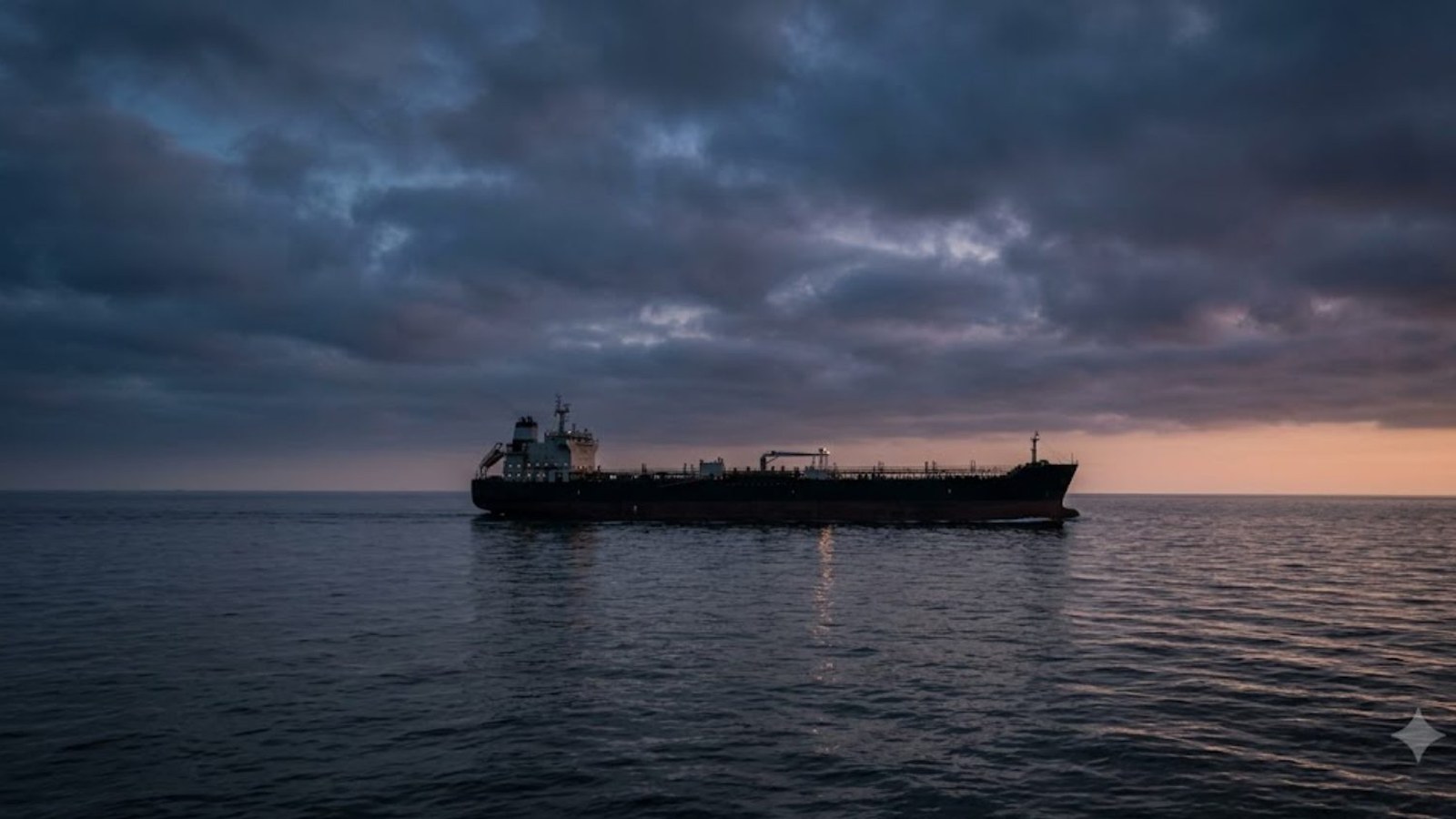
Two attacks, a day apart. Late Wednesday, several projectiles hit an oil-and-chemical tanker near Qatar, and there were casualties, by the account of the maritime-intelligence firm Vanguard and the U.K. Maritime Trade Operations agency. Nobody has claimed it; officials in the region suspect Iran. On Thursday the Houthis — Tehran-armed, and less cautious than their backers, the Journal notes — hit Riyadh’s main international airport for at least the third time since Tuesday, striking at least two aircraft; dozens of inbound flights were canceled or diverted. Riyadh sits more than 500 miles from the front lines in Yemen, and the long-range strikes now come every day.
Only last week Iran's ports were blockaded and its hold on the Strait of Hormuz looked to be loosening. Some analysts read this week as Tehran trying to break the stalemate and push Washington toward a settlement, at a cost short of full-scale war. The president said Thursday the U.S. won't attack Iran before next month's midterm elections, citing productive talks, and he has turned down Saudi requests for direct military help against the Houthis while the Pentagon supplies intelligence. “This is precisely what makes the moment so dangerous,” Andreas Krieg of King's College London told the Journal — each side is pushing for a better hand without leaving the table, and a single bad night could widen the fight.
Rerouted, not stopped
Here's the detail that matters for a portfolio: the oil is still moving. It goes out under U.S. protection, gets passed tanker to tanker beyond Hormuz, or travels by pipeline around the strait. And Saudi Arabia, having fixed part of the East-West line hit in September, is shipping again from its Gulf and Red Sea coasts. What crude's price seems to carry, then, is a premium for risk on barrels that are rerouted, not lost — and gas carries one too. Giulia Petroni's B10 brief puts European natural gas at just under €80 a megawatt-hour, roughly 147% above where it stood just before the Iran war, with traders newly uneasy about how safely LNG can leave the Gulf.
Our read
Investments and Risk (IN04). This is the day the energy sleeve is for. Chevron (CVX) is held in 37 of our 81 model books, ExxonMobil (XOM) in 34, Cheniere Energy (LNG) in 20, ConocoPhillips (COP) in 17, EOG Resources (EOG) in 15, Valero (VLO) in 12 — and the Energy Select Sector SPDR (XLE), in 8 books, rose 2.97% on a day the S&P 500 fell 0.47%. All of it is held at weight; nothing added. A hedge is supposed to be there before the headline lands, so you don't have to buy it at the headline price; adding now would mean paying a war premium for insurance we already own.
Two reasons we'd rather hold than chase. First, the story says the oil is being rerouted, not stopped, and the president says the U.S. won't attack Iran before the vote — so part of Thursday's premium can leak out as fast as it arrived, or jump again on one bad night, which is exactly why we don't try to time it. Second, the same story that reports a tanker hit reports a Saudi pipeline partly repaired; the market prices both at once. The question for a retirement plan isn't where oil goes next week; it's whether the slice you hold against exactly this kind of week is sized so you don't have to guess. If Thursday made you want to do something, that's worth a conversation — on a quiet day, not the morning after a headline.