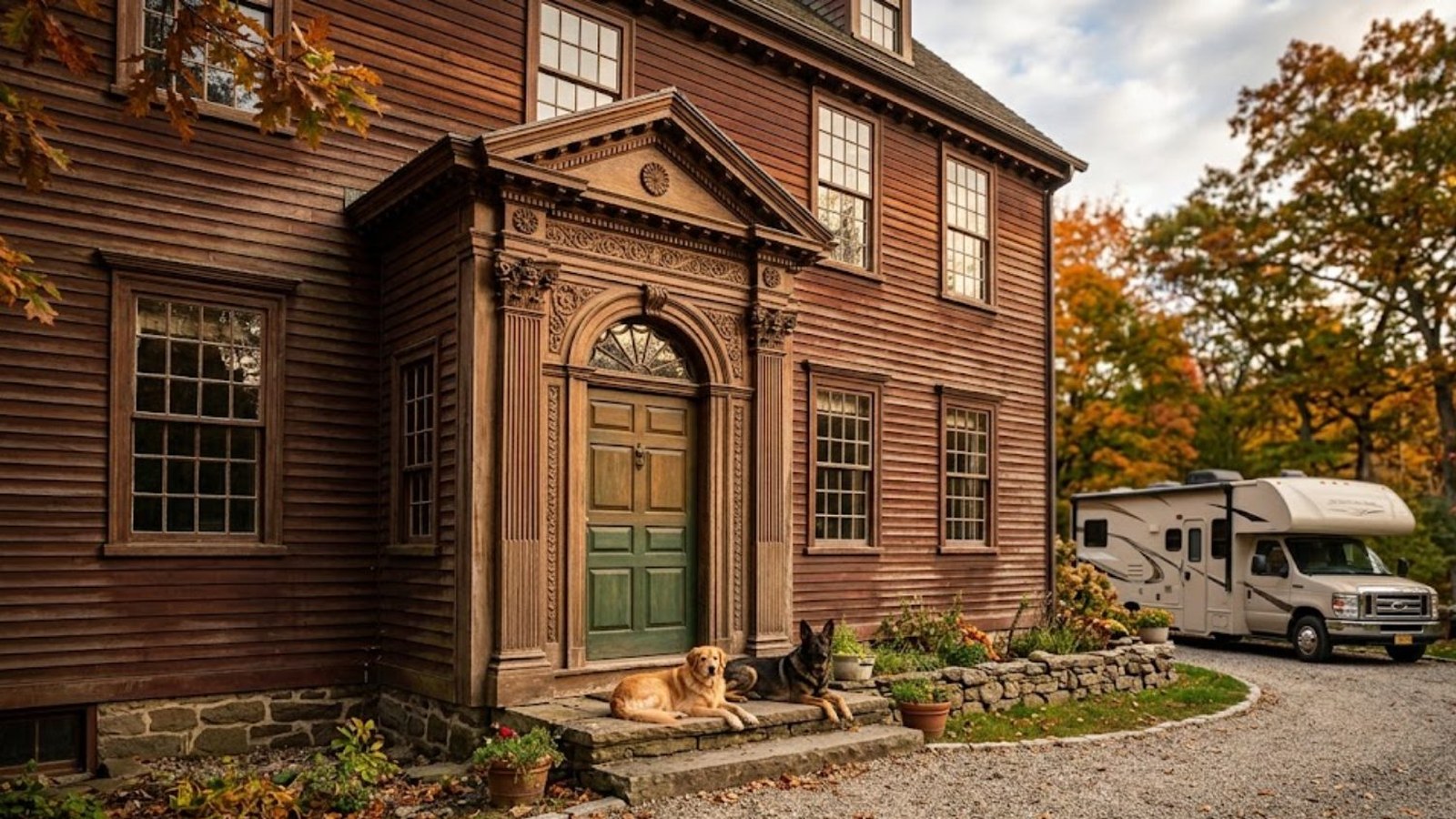
The von Trapp family — the real one, whose 1938 exit from Austria inspired "The Sound of Music" — founded a lodge in Stowe in 1950 on a site whose hills reminded them of home, and their descendants still own the 2,600-acre resort. The Journal's Jessica Flint visits the 05672 ZIP for Friday's Rich Zips column. By a Realtor.com method built for the paper, no major East Coast alpine-ski destination has pricier homes, and nearly 70% of properties are now second homes as buyers flee Sunbelt summers. Then comes the data box, and it tells a different story from the sales talk around it.
Here's the box, Realtor.com for August 2026: median list price $995,000, down 13% from a year earlier. Active listings 110, up 16%. Median days on market, 94. Median price per square foot, $443. Only two of the four come with a year-ago comparison, and they point the same way: more houses for sale, asking less. And note what kind of number $995,000 is: a list price, the seller's opinion. The column prints no sold prices at all. Its three example listings, from a $5.844 million, 11,434-square-foot estate on 25.19 acres to a $20 million, 14,145-square-foot one with an indoor pool and a barn, are asks as well. (Realtor.com's operator is News Corp — ticker NWSA — which also owns the Journal; the paper discloses it, so we will.)
Act immediately, says the box that says wait
Then the buyer's advice. The column puts Stowe's usual range at under $1 million — often a renovation project at that end — up to more than $5 million, and tells buyers to study the neighborhoods so they're ready to act immediately when the right house lists. That's a seller's-market posture, and in a seller's market it's right. It isn't what the box describes. When inventory is up 16% and the median listing sits 94 days, the person with leverage is the one who can walk away. Stowe has real things going for it — a resort that opened in the 1930s, a 5.3-mile recreation path linking Main Street and Mountain Road, Shaw's General Store, handed down through five generations since 1895, a ski museum with more than 8,000 pieces, a preservation commission that keeps the old houses old — none of which is an argument for skipping the inspection.
Our read
Housing (M6) with Cash Flow (M5) attached. The read is simple: when the box and the pitch disagree, the box wins. A 13% drop in the median ask with 16% more supply and a three-month wait is a softening second-home market, and the right behavior in a softening market is the opposite of urgency — make the offer that reflects 94 days, not the one that reflects the brochure. Then do the cash-flow work the column only gestures at. The under-$1 million end, by its own account, often needs renovating. The social scene runs through clubs, and the one second-home owners gravitate to has ski-in, ski-out access and golf, which is to say dues. And a second home is, by definition, the house you're not in — it costs the same in the months it sits empty.
Watch, not buy — not because Stowe's wrong, but because the numbers say time is on the buyer's side and the column says it isn't. If a mountain house is in your plan, the review is where the carrying cost goes on paper before the listing alert does. The roof gets checked on a clear day; so does the budget.