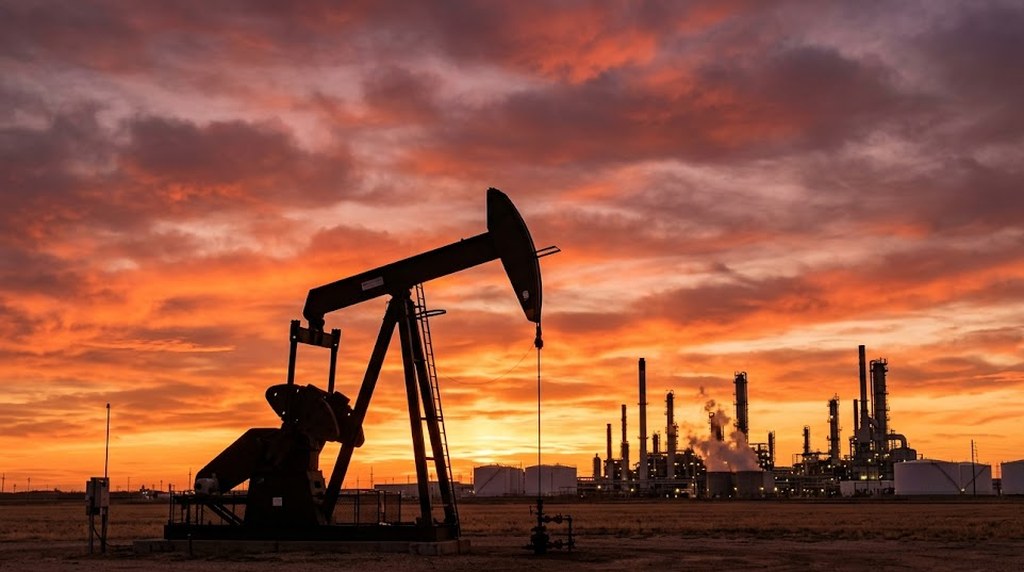
Diesel is the fuel under everything. It moves the trucks, the tractors, the ships and the cranes. So when it gets expensive, Washington moves. In one week the White House tried three ways to push the price down. Karl Rove laid them out in Thursday's Journal. We read the same week with one question in mind, whether any of it restricted U.S. diesel exports. None did.
Move one came on Monday, Oct. 5. An executive order let long-haul truckers fill up with dyed diesel. That's the off-road fuel for combines and home heating, and it skips the 24-cent-a-gallon federal highway tax. Rove's catch is that most dyed diesel is already promised to farmers and ranchers. Move two came on Friday, Oct. 9. After a 90-minute call with Vladimir Putin, the president said the U.S. would buy up to 4.8 million tons of Russian diesel, nearly 36 million barrels, in stages. The Treasury eased some sanctions through April 7 so Russia could ship it. The post promised prices “COMING DOWN, IN RECORD NUMBERS, AND FAST!” Rove called that “very unlikely.”
Move three came on Sunday, Oct. 11. The White House declared an energy ceasefire between Russia and Ukraine. Russia struck Ukraine's power grid anyway, and 600,000 people lost electricity. On Thursday, Oct. 15 Ukraine resumed its refinery strikes. Drones hit the Ryazan refinery and it caught fire. “The block is out,” Volodymyr Zelensky told the Financial Times. Analysts in Friday's Page One story say Ukraine's drones have knocked 40% to 50% of Russia's refining offline. They also say the Iran war, not Ukraine, is the main reason diesel costs so much.
What the IEA says comes next
The International Energy Agency sees a longer problem. Its latest report says the diesel shortage lasts well into 2027. Net exports from the Middle East and Russia fell more than 60% last month from a year earlier. Tanker rates have jumped, which squeezes refiners in Europe and Asia, and the IEA expects those plants to make less. That setup tends to favor U.S. refiners. Valero (VLO) closed at a 52-week high of 459.78 on Wednesday, Oct. 14. On Thursday it fell $15.72 to 444.06, the same day diesel futures slipped to $4.8456 a gallon. Crude went the other way, to $97.97.
Our read
This is Investments/Risk · IN04, our Valero update for Part 2. Last weekend the desk raised Valero to 3.0% from 1.5% in ten of its 12 books, paid for inside the energy sleeve, with no new money into stocks. The sell rule is written down. We trim if the White House publishes a restriction on U.S. diesel exports. Every move in Rove's week was a different kind of step. Dyed diesel is a tax break at the pump. Russian diesel adds supply to the market. Neither limits what Valero can ship abroad. The trigger hasn't fired, so we did nothing. Polymarket, by our own pull, prices a U.S. diesel export ban by Dec. 31 at 12%. That's a crowd price, not a forecast. A $15.72 drop the day after a 52-week high is a price move, not a trigger.
Your own version of this story is the energy holding in your account, whether that's a refiner, a driller or an energy fund. This week's check takes ten minutes. Find it, then write one sentence that says what would make you sell it. Ours is a published export restriction. Yours might be a price, a date or a headline. Write it before the headline comes, because a bad Thursday is when people make the rule up on the spot. If you'd like help writing that sentence, that's what a review is for.