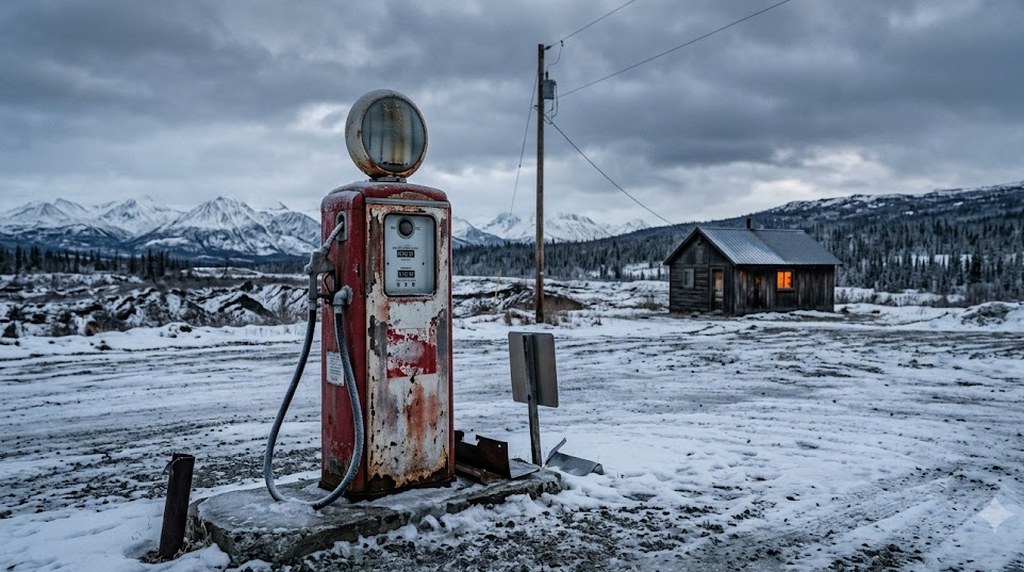
Two families fill up at close to the same price. One pays $969 more this year. The other pays $336. That's the gap between a typical Wyoming household and an Oregon one, by Brown University's count of what the Iran war has added to gasoline bills. Same war, same pumps, very different damage.
Konrad Putzier and Alana Pipe of the Journal walk through the map. Fuel costs from the Iran war are doing most of the pushing on inflation, which hit 3.7% in September. Nationally, gas prices were up 34% over the past year, and fuel oil was up 74% in September, by the Labor Department's count. But the national number hides the spread. Brown's Climate Solutions Lab built its estimate from two things, how much gas people in each state use and how much the local price rose. Prices moved differently by region because refineries and shipping costs differ. Use differs even more. In rural states the vehicles are bigger and the trips are longer. The same price jump takes a bigger bite there.
The price went up most where the bill went up least
California and New York prove the point. Pump prices there rose faster than the national average. Household bills rose slower, because people there burn less gas. “The big driver is really much more about consumption patterns,” said Jeff Colgan, who runs the lab. The paper also notes that seven of the nine states with tossup or leaning Senate races saw gas bills rise faster than average. They are Iowa, Kansas, Maine, Michigan, New Hampshire, North Carolina and Texas. We'll leave the politics to the voters. The budget math is the same in every state.
Diesel is the harder story. Farm country burns it all day, in the tractor, the combine and the grain truck. Wyoming's extra diesel cost came to $2,239 a household, almost five times the national average. Alaska followed at $2,167. Iowa, Kansas, Maine, New Hampshire and Texas were also above average. For the house, energy stays the hedge against weeks like this. Chevron (CVX) in 37 books, ExxonMobil (XOM) in 34 and ConocoPhillips (COP) in 17, all held at weight. Valero (VLO) is held in 12. Nothing added this week.
Our read
This is a Cash Flow M5 story about the car line in your budget. Most people watch the price on the sign. The sign is the smaller half of the math. The bigger half is miles times what your vehicle burns. That's why a Wyoming household can pay almost three times what an Oregon one does ($969 against $336) at nearly the same price. If you drive a truck a long way to work, the war found you. If you take the train, it mostly didn't.
Here's the check for this week. Pull the fuel charges off your card statement for the past few months and add them up. Then divide by the miles you actually drive. That number is your real fuel line, and the sign at the station is only a clue. If you heat with oil, the 74% jump is the bigger worry. Call your dealer about a fixed-price or budget plan before the first cold night. The same holds if you farm or run a work truck on diesel. Lock what you can and budget the rest. Nobody shops for an umbrella in the downpour. If you'd like a second look at the car and heating lines in your plan, we'll run the numbers with you.