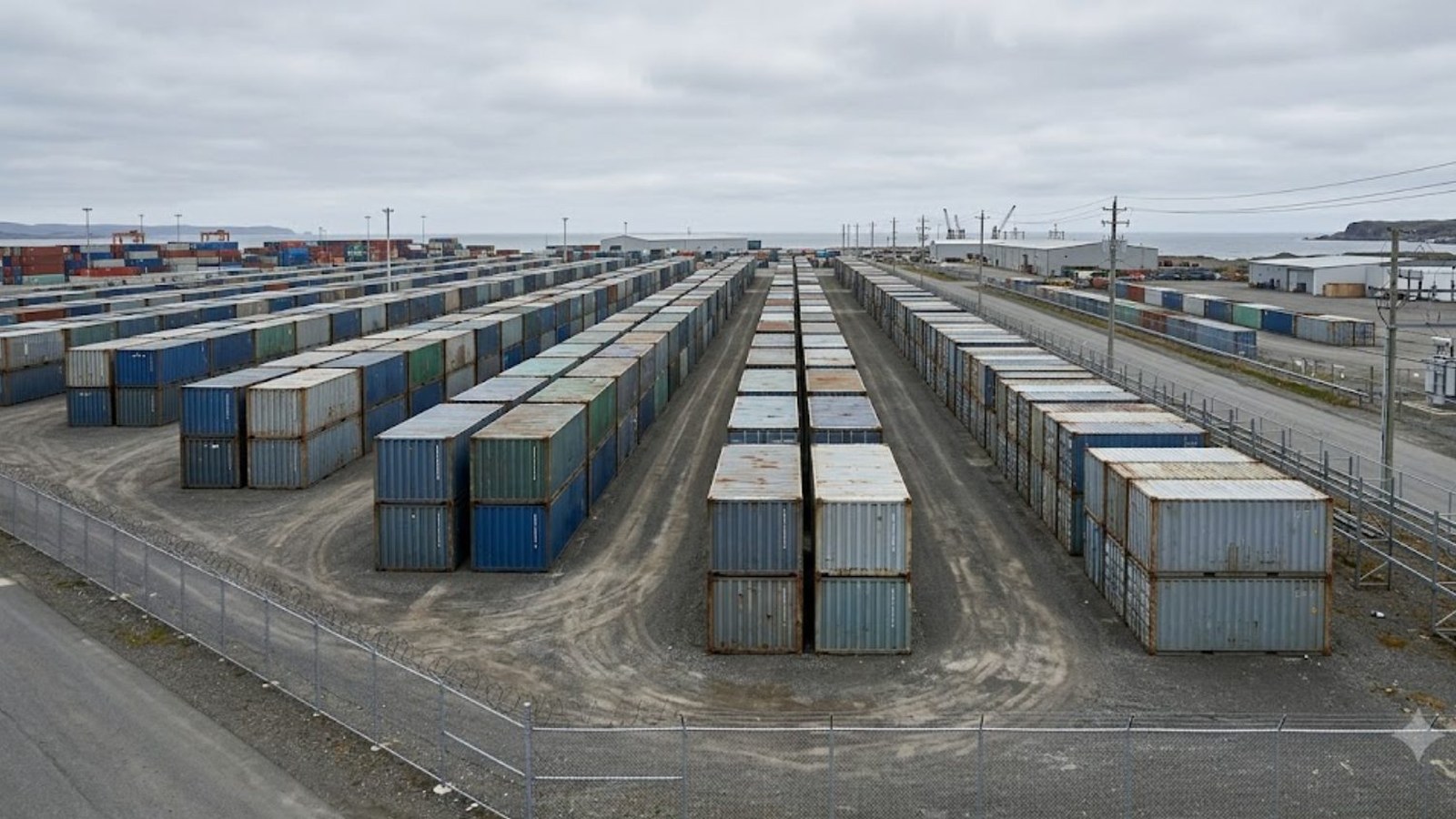
Mexico's negotiators thought they were nearly done. Mexican officials and many executives said a deal was close. Then, in recent days, progress slowed sharply. The Journal's Gavin Bade and Santiago Pérez report that Commerce Secretary Howard Lutnick objected to cutting two tariffs. One is the 25% tariff on cars built in Mexico. The other is the 50% tariff on steel and aluminum.
The deal on the table traded lower U.S. tariffs on metals and cars for a list of Mexican concessions. That would have opened the door to renewing the USMCA trade pact. The U.S. list of concerns started at 54 items, President Claudia Sheinbaum said. It had shrunk to about a dozen. Officials on both sides said talks continue, and both denied there's an impasse. One senior Mexican official said the sides keep getting close, and then a new demand appears.
The car tariff is where the money is. Japanese and South Korean cars come in at 15%, under deals Lutnick helped shape last year. Mexican cars pay 25%, with rebates for U.S.-made parts. Claiming those rebates means heavy paperwork and Commerce Department approval, which can be denied. Automakers told negotiators the gap and the paperwork have pushed some production from North America to Asia. Mexico wants 15% or lower, plus a broader rebate that counts parts from all three USMCA countries.
Canada went first
This is the second time in a few months. In August, U.S.-Canada talks collapsed after Lutnick objected to the same kind of cuts. The U.S. then put levies on $20 billion of Canadian goods. Canada hit back. The President has said Canadian car tariffs double to 50% in January without a deal. Mexico hasn't retaliated and keeps talking. Juan Carlos Baker, Mexico's former deputy trade minister, said a country asked to make big changes can't “be treated the same as everyone else.”
Our read
This is Cash Flow · M5, the car line in the household budget. We take no side on the commerce secretary. We do the math. A 25% tariff on a Mexican-built car doesn't vanish into the automaker's margin. Some of it lands on the sticker. Mexico and Canada are the two biggest U.S. trading partners. A lot of what sits on a dealer's lot crossed one of those borders as a car or as parts. With the deal stalled, the Journal says the push to finish before the Nov. 3 vote has lost steam. So plan as if nothing changes. Now add the financing. The average 48-month new-car loan runs 7.05%, by the Journal's rate table this week. A pricier car on a 7% loan is a double hit. No model book holds a stock on the strength of this story, and nothing was added.
The one thing in your own plan this touches is the car-replacement line, the year you penciled in for the next vehicle and the amount next to it. This week's check is to pull up that line and ask whether the number assumed a tariff cut that hasn't come. If the current car runs, a repair bill usually beats a new loan at 7.05% on a car priced with a 25% tariff inside it. Price the used market too. Used-car prices were still down from a year ago in September's inflation report. You don't shop for the umbrella in the downpour. Bring the car line to your next review and we'll pressure-test it together.