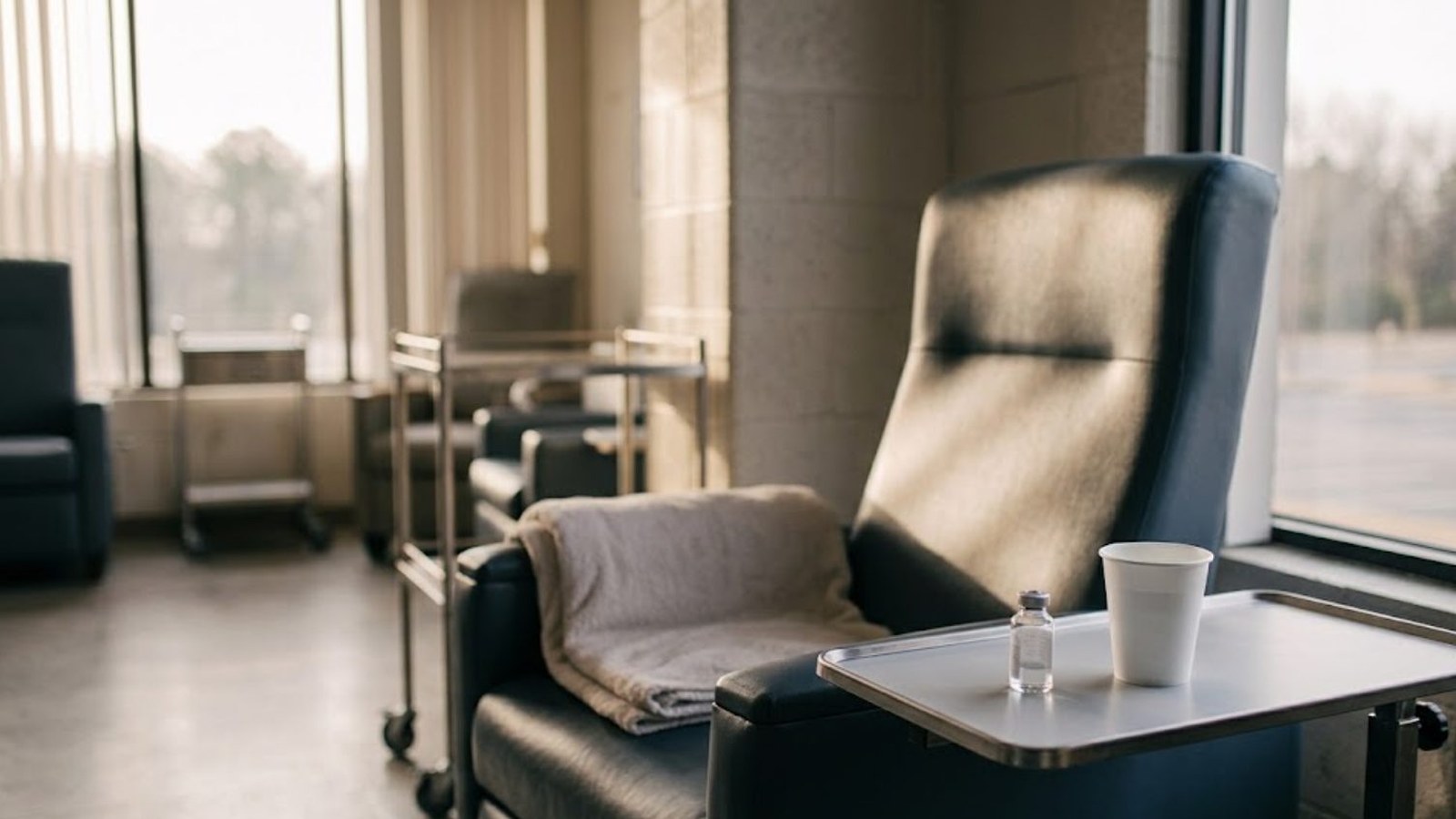
Lisa Moore had spent more than three years on a cancer treatment that never got her to remission. Then the drugs stopped working. The 64-year-old small-business owner from Whately, Mass., joined a study of a new kind of medicine. Ten months later she was in remission. “It was pretty amazing,” she says.
She's one patient, and the Journal's Lizzy Lawrence is careful to say so. The drug she took is still in late-stage trials and isn't proven across big groups of people. Even so, Bristol Myers Squibb, Pfizer and Roche are spending billions on this class, called protein degraders. A typical drug needs a rough patch on a protein to hold onto, and it blocks the protein by holding on. Smooth, flat proteins give it nothing to hold. Researchers say those slippery proteins account for 85% of the disease drivers they've never managed to reach. Degraders skip the grab. They drag the bad protein to the cell's own recycling system and let the cell throw it out.
The idea goes back to 1998, when Yale's Craig Crews and Caltech's Raymond Deshaies showed it could work. The other main type, molecular glue, was found by accident. Thalidomide, the 1950s morning-sickness drug that caused thousands of birth defects, was later repurposed for cancer and leprosy. Studying it, scientists realized it was a degrader. About 200 degraders are in study worldwide, with more than $5 billion in deals from 2021 to 2026.
The first results, good and bad
The first degrader on the market, Veppanu from Pfizer and Arvinas, was approved in May for breast-cancer patients with one mutation, about 1% of new cases worldwide. It failed in a wider group, and Arvinas stock fell 53%. The two companies sold the drug to Rigel Pharmaceuticals for $70 million. Bristol's Zenbexus, approved in August for multiple myeloma, held off the cancer for 42 months against 20 months without it. A second Bristol drug, mezigdomide, showed 18 months against eight. That's the one Moore took. Doctors still worry the drugs could destroy healthy proteins by mistake. Results from two blood-cancer trials aren't due until 2028 and 2029.
Our read
This is a Health Costs story, and it's general information, never medical advice. The pattern matters more than any one drug. New classes of medicine reach patients first through trials, then through narrow approvals for small groups, then maybe wider. Each stage has its own bill. Trial drugs are usually free. The scans, visits and travel around them aren't always. An approved degrader usually lands on the specialty tier of a drug plan. There you pay coinsurance, a share of the price instead of a flat copay, and the price is very large. Pfizer is held at weight in 2 books; nothing added.
Here's the connection to your plan. If you or a parent is on Medicare, the Part D plan you pick in this fall's enrollment window decides what a specialty-tier drug costs next year. That holds up to the yearly out-of-pocket cap. This week, pull the plan's drug list and find the specialty tier's coinsurance, and ask the health plan whether it covers routine costs during a clinical trial. If you're under 65 and on an employer plan, the same two questions go to HR. The time to read the drug tier is before the diagnosis, and we're happy to read that drug list next to you.