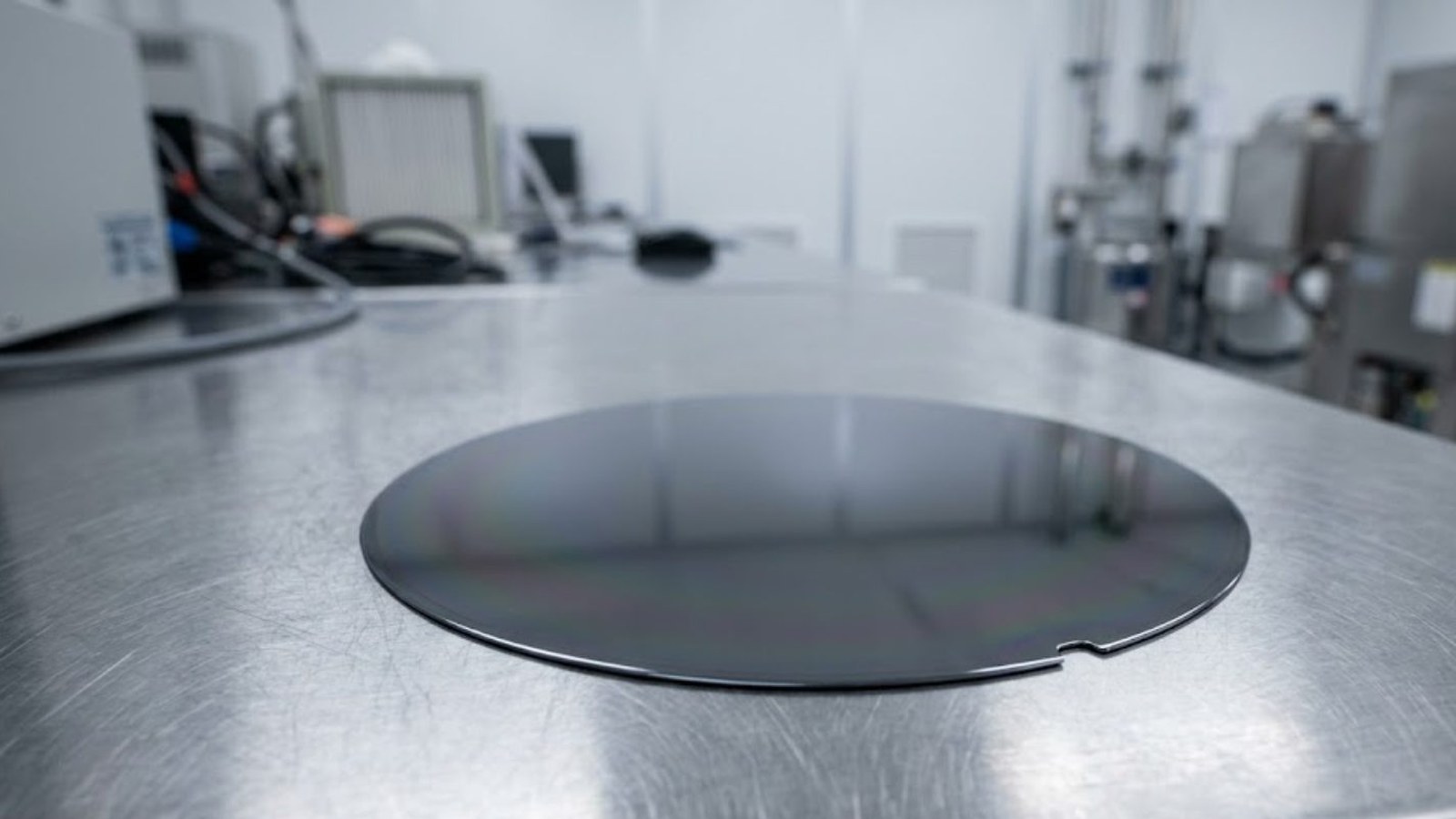
Helium Is Now a Critical Material. Chips Can't Be Made Without It, and Qatar's Supply Is Stuck Behind Hormuz
The gas in party balloons is now a strategic input for chips. Two of the three top producers are squeezed, and the U.S. is the one left standing.
By Sean Anees Saifi · Capital Wealth · Published Wednesday, October 28, 2026 · Source: The Wall Street Journal Weekend, Saturday/Sunday, October 24–25, 2026, whose market figures are the Friday, October 23 close (U.S. News)
Key Points
The Energy Department named helium a critical material on Friday. The reason is semiconductors, which can't be made without it.
Producers can now tap more federal financing, and Washington will keep a closer eye on the supply.
Most helium comes out of natural-gas processing, and the U.S. is the largest producer of both. Qatar and Russia come next.
Iran's closure of the Strait of Hormuz, plus Iranian strikes on Qatar's facilities, has cut Qatar's helium exports hard. Russia put temporary limits on its own exports in April.
Chip holdings stay at weight. Taiwan Semiconductor (TSM) in 30 books, NVIDIA (NVDA) in 31, Micron (MU) in 23. Nothing added.
3
top helium producers worldwide: the U.S., Qatar and Russia
$103.27
WTI crude, December contract, Friday settle, up 79.85% this year
52.2%
PHLX Semiconductor index gain this year, through Friday's close
$418.51
Taiwan Semiconductor (TSM) Friday close, up 37.72% this year, held in 30 books
Helium comes out of the ground with natural gas. The U.S. produces the most, with Qatar and Russia next.
In one line: Helium is now a U.S. critical material because chips can't be made without it and two of the three top producers are squeezed.
Helium fills party balloons. It also makes computer chips possible. On Friday the Energy Department named it a critical material. The reason is plain. Chip makers can't do without it, and the world's supply is shaky.
The label does two things. More federal money can flow to helium producers. And the government will watch the supply more closely. Helium mostly comes out of the ground with natural gas. The U.S. is the world's biggest producer of both. Qatar and Russia come next.
That's where the trouble sits. Qatar's helium exports have been cut hard. Iran closed the Strait of Hormuz in its war with Israel and the U.S. Iranian strikes on Qatar's facilities hurt supply too. Russia, for its part, put temporary limits on helium exports in April to keep more at home. So two of the three top producers are squeezed. The U.S. is the one left standing. Energy Secretary Chris Wright framed the move as cutting America's reliance on foreign sources.
What a supply shock looks like
A supply shock rarely starts with the thing you're watching. Oil gets the headlines. WTI crude for December settled Friday at $103.27, up 79.85% this year. The same closed strait traps helium. A chip plant can't run without it. The chip index, the PHLX Semiconductor, is up 52.2% this year. Taiwan Semiconductor (TSM) closed Friday at $418.51, up $6.16 on the day of the designation. Those prices reflect demand for chips. A missing input is a different kind of risk. It doesn't show up in an earnings forecast until it does.
Our read
This is Investments and Risk (IN04). Our books own the chip makers that need helium. Taiwan Semiconductor (TSM) is held at weight in 30 books, NVIDIA (NVDA) in 31 and Micron (MU) in 23. Nothing added. The brief names no company, and we won't guess who's short of gas. The lesson is about hidden inputs. A great company can be stopped by a gas it doesn't make. That's why we size chip names as a slice and never the whole plate.
One thing in your plan. The share of your stock money that rides on chips, inside your index funds too. One check this week. Open your biggest fund and read its top ten holdings. If three of them are chip names, you own this risk twice. You check the roof before the storm, never during it. Call us if the count surprises you.
What It Means For Your Portfolio
Hold. Chip names stay at weight, sized as a slice
No portfolio action. Chip holdings stay at weight in 23 to 31 books. The lesson is that a hidden input can stop a great company.
General planning principles, not advice for anyone in particular. Count your chip exposure across every account, including index funds. Cap any single theme at a share you could watch fall by half without changing your plan. Keep a year of spending outside stocks so a supply shock never forces a sale.