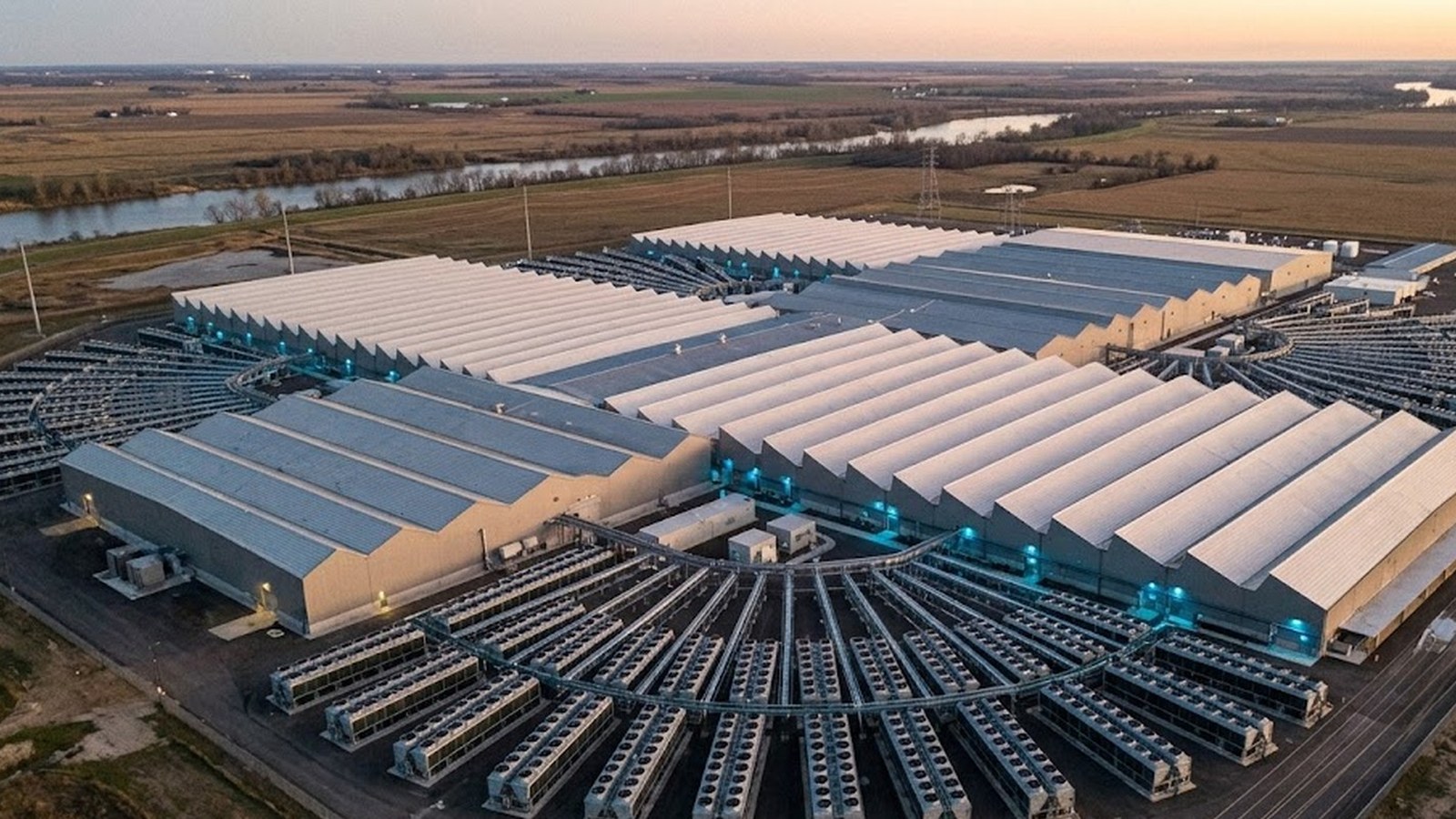
Nobody puts a gravel lot on a postcard. Pasha Johnson of Steel Peak doesn't mind. His yards hold the steel, the generators and the trucks that build data centers. Yard owners like him can't keep up with the demand. The Journal's Will Parker reports that one of the AI boom's quiet winners is a gravel yard.
Here's the math. DAT Freight & Analytics counts about 100,000 truckloads for each gigawatt of data center. Steel, concrete, generators, the lot. All of it has to sit somewhere before it goes in. So it sits in outdoor storage yards near the site. Most are under 10 acres. They're loud, dusty and ugly, and that's the point.
Towns won't permit new ones. Residents don't want the noise or the look. "The municipalities are not really creating any more of this stuff," Johnson told the Journal. So the supply is stuck while the demand keeps climbing. In some places the data centers eat the yards. In Manassas, Va., more than 200 acres of storage is set to become data centers. That's more than 20% of the yard space there.
Rents up 32%, and that's just the national average
CBRE says national rents for these yards are up 32% since 2021. Alterra IOS tracks the top eight port markets, places like Houston, Savannah, Ga., and Norfolk, Va. There, rents are up more than 110% since 2020. Big money noticed. Brookfield is buying Peakstone Realty Trust for $1.2 billion. J.P. Morgan Asset Management and Zenith IOS are putting together about 100 properties in 33 markets. A Starwood Property Trust venture lent $672 million against a portfolio in August. Catalyst Investment Partners built a $1.4 billion portfolio in six years. Blackstone's lending arm has financed more than $1 billion of these deals.
The individual lots are small. On their own they're too cheap to catch Wall Street's eye. So the buyers roll up dozens of them from mom-and-pop owners into one big portfolio. "You don't get that in pretty much any other real-estate category," said Catalyst's Max Heiden. He meant the gap between supply and demand.
Our read
This is Investments and Risk (IN04), and it's a lesson about where returns hide. The glamorous part of the AI build-out is the chip. The boring part is the lot where the generator waits. The boring part has a moat the chip doesn't. Nobody can build more of it, because the town won't let them. In our books, JPMorgan (JPM) is held at weight in 26 books, and its asset-management arm is one of the buyers here. The broad real estate fund (VNQ) is held in 4 books. Nothing added. One caution. Rents that rose 110% in five years can also stall, and a yard is only worth what the next data center pays. Nareit says property funds now put more money into real estate investment trusts, or REITs, that own data centers than into ones that own offices, apartments or stores. That's a crowd.
The one thing in your plan this touches is your real estate sleeve. Check this week what your REIT fund actually owns. Pull up the top ten holdings. If it's heavy on data centers and light on everything else, you own one bet. A spread is the whole point of a fund. The gravel lot teaches the opposite habit. Own what's scarce and dull, and hold it. That's a five-minute check, and it's one we make in every review. The umbrella you want is the one you bought on a sunny day.