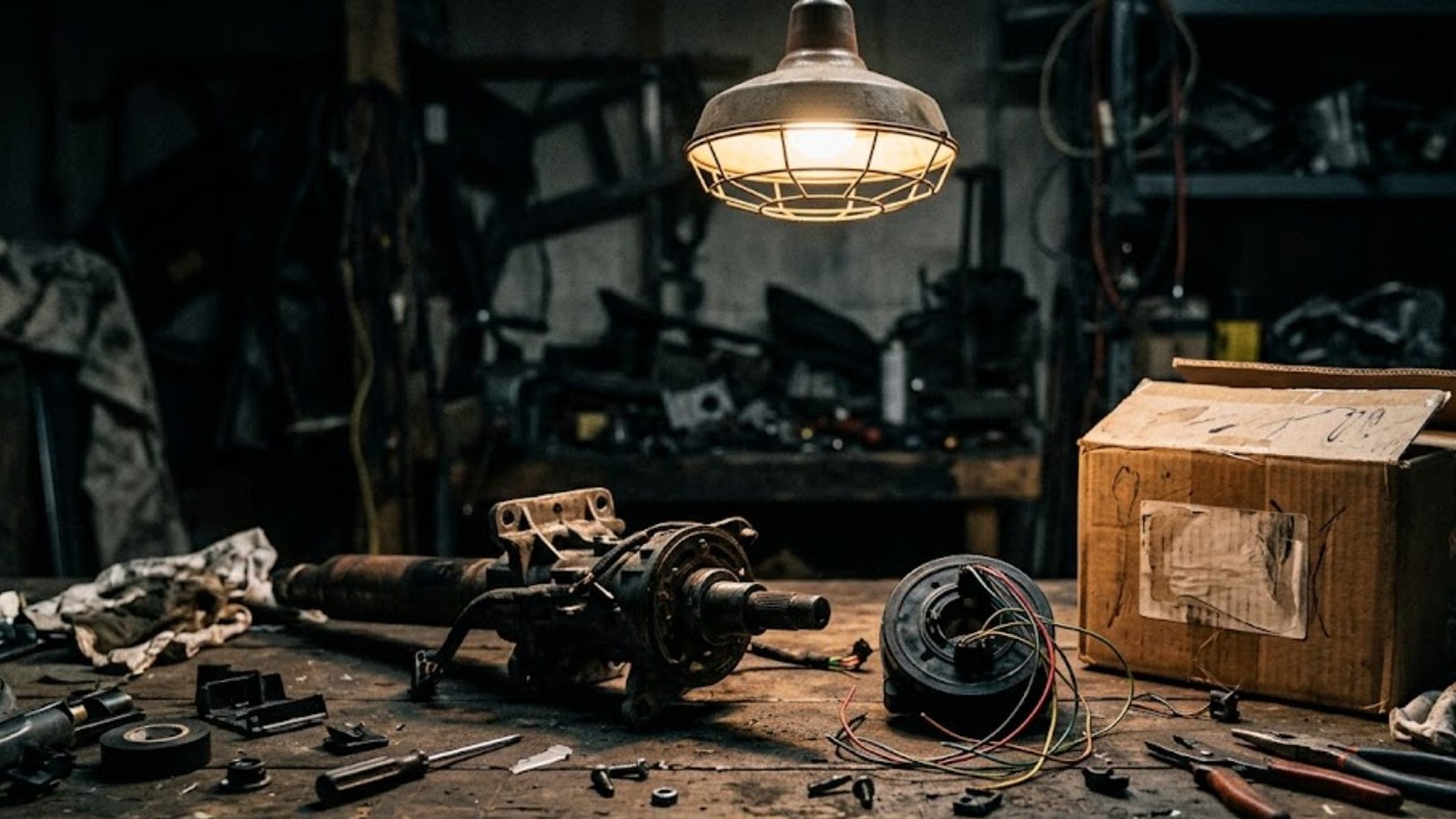
Brian Diesselhorst looks at a retired wind turbine and sees money. His company, Paladin EnviroTech, is taking apart old turbines at a wind farm in O'Brien County, Iowa. Inside some of them sit magnets made of rare-earth metals. A ton of the stuff can be worth close to $100,000, by Paladin's estimate. Until now, all of it went to waste.
Rare earths, with names like neodymium and dysprosium, go into the magnets in electric motors, drones and MRI scanners. China built a near-lock on the supply over decades. Last year it limited exports during its trade fight with the U.S. Washington is putting billions into mineral ventures, but they won’t pay off for years. The Journal’s Ed Ballard reports that Paladin is betting the junkyard is faster. “That’s why it was critical for us to get into the game now,” Diesselhorst said. Only 20% of the turbines coming down at this site have rare-earth magnets. The bigger, newer models coming behind them often do.
Ten good years left, and down they come
The farm belongs to MidAmerican Energy, the utility Berkshire Hathaway (BRK.B) owns. Its turbines have spun for a decade and could spin for another, says Adam Jablonski, a MidAmerican vice president. The company’s replacing them anyway. New models with blades 20% longer give about 15% more power, and power demand is climbing. MidAmerican has already swapped out nearly 1,500 of its 3,700 turbines. Metal recyclers took the copper, several tons per turbine at roughly $14,500 a ton. The rare earths went into the steel melt and came out as slag.
The work’s brutal. Cranes pull off the blades and the room-size nacelles that hold the generators. Pieces weigh up to 120,000 pounds. On one job, hubs of more than 30 tons got buried deep in clay. On soft ground, “you could have a crane tip over,” said Paladin’s Luke Wray. He has lined up about 500 turbines across the country. Next year Paladin expects turbine magnets to be about 40% of its tonnage, with MRI machines and EV motors about 25% each and hard drives the last 10%. In the Tampa office hangs a poster of Don Quixote, who tilted at windmills. Wray’s portrait sits in the corner.
Our read
For the portfolio, this is Investments/Risk · IN04 and a reminder that the boring owner often wins. Berkshire Hathaway (BRK.B) owns the farm, buys the better turbines, and lets a startup take the risk on the scrap. Berkshire is held at weight in 22 books; nothing added. Paladin's private, so there's nothing to buy there. The house's direct rare-earth name is MP Materials (MP), held at weight in 5 books; nothing added. The story carries two honest lessons. Scrap can be worth far more than it looks once someone bothers to sort it. And rare-earth supply outside China is a slow, lumpy build, with government money that takes years to pay off.
The concrete thing in your plan is the theme slice, the money you've put behind big stories like rare earths, critical minerals or the China trade fight. This week, add up every one of those bets. Then be honest about whether you could hold that total for years while the mines and recyclers get built. If you couldn't, trim it to a size that lets you wait. MidAmerican swaps turbines that still work because it ran the math on a calm day, on purpose. Your review is that calm day.