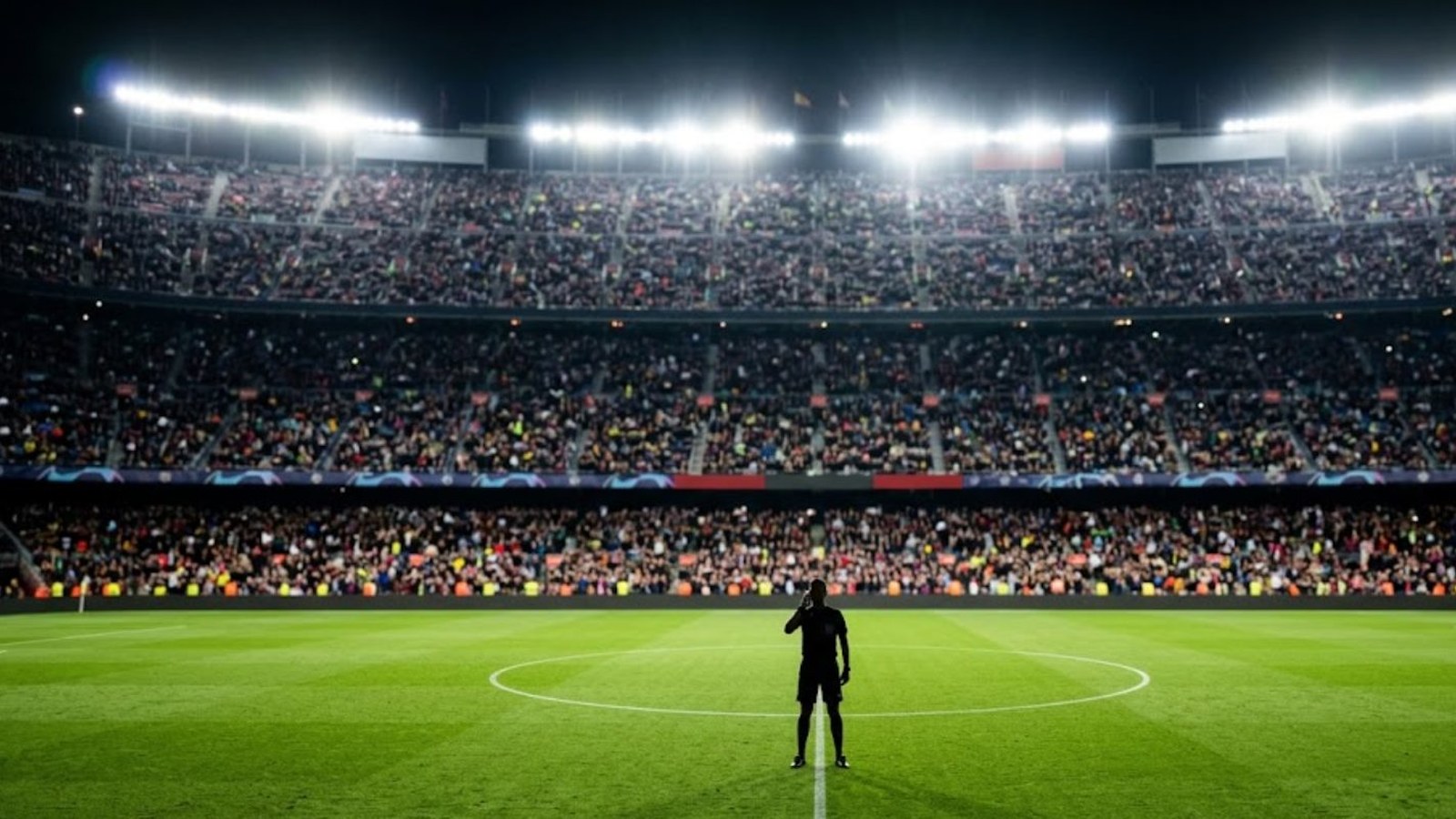
Mark Attanasio set an odd rule when he bought the Milwaukee Brewers in 2005. Two phrases were off limits, “We're too small” and “We can't do this.” No team in the majors has a smaller media market. And baseball has no salary cap to slow down the big spenders. On Wednesday, Oct. 28, his team beat the Tampa Bay Rays 4-1 in Game 5 and won its first World Series.
The Brewers did it with the 19th-highest payroll in baseball, the Journal's Jared Diamond reports. The last champion with a payroll ranked that far down was the 2003 Florida Marlins. It's the first title for a small-market club since 2015, and Milwaukee's first World Series trip since 1982. Luck had little to do with it. Milwaukee won 103 regular-season games and had the best record in baseball two years running. It went 11-2 in October and swept the two-time defending champion Dodgers on the way. The Brewers led the majors in batting average, stole bases and had the best ERA in the National League. Catcher William Contreras was the Series MVP. He hit .381 and won 10 of 13 challenges under the new automated ball-strike system.
The doors may close after Dec. 1
Then comes the hard part. Baseball's labor contract expires Dec. 1. The owners want a salary cap, the players' union is against it, and the Journal's Jason Gay writes that a lockout looks likely. Gay grants the owners a point. Spending three times what a rival spends makes winning a lot easier, and over time the small clubs lose their young stars to the rich ones. The players point to Milwaukee and Tampa Bay, two thrifty teams that just met for the title. Gay's plea is simple. “Baseball, please don't bungle this.” The last labor fight to cost games was the 1994 strike, which canceled that year's World Series. Pitchers and catchers are due to report Feb. 9.
Joseph Epstein, writing in Friday's paper about missing baseball all winter, adds the money detail that caught our eye. Shohei Ohtani signed with the Dodgers for $700 million. He takes $2 million a year for the first 10 years. After that he gets $68 million a year. The league minimum is more than $700,000, and players Epstein calls quite average make $8 million to $12 million. Ohtani chose to wait for almost all of his.
Our read
Two planning lessons here, and the first is Behavioral. The Brewers couldn't outspend the Dodgers, so they built a process and repeated it. Take pitches, run the bases, develop young players, do it again next year. That's the case we make for a steady, repeatable plan over chasing the biggest names. Process beats budget more often than people think.
The second lesson is Time Value of Money (M3), and Ohtani is the textbook case. He takes $2 million a year now and waits for $68 million a year later. A dollar in year 11 buys less than a dollar today. And it only shows up if the Dodgers can still pay. He can afford that bet. Most of us can't. Here's where it touches your plan. A deferred-pay plan at work, or a pension that offers a lump sum now or checks later, is a smaller Ohtani choice. In most deferred-pay plans, the money is only your employer's promise. This week, write down who owes you money in year 11 and how sure you are they can pay. For a company pension, the plan's yearly funding notice shows how well it's covered. We'd rather run those numbers with you in the off-season than after a missed payment.