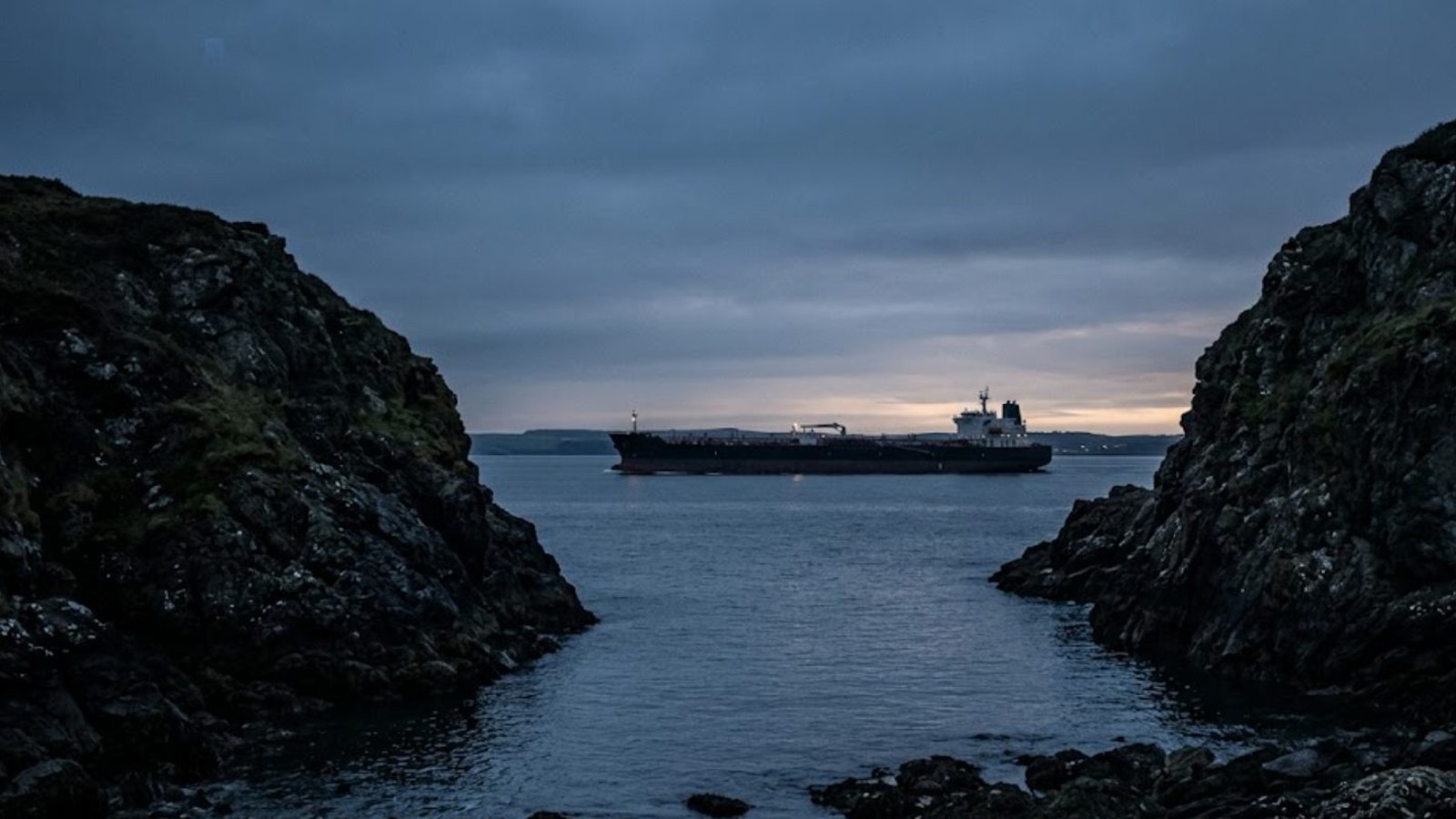
Kevin McLachlan likes to bike up hills in France to see what's around the next bend. Chevron (CVX) hired him last year to do the same with oil. The company poached him from TotalEnergies to open up Africa, South America and the eastern Mediterranean. Half of Chevron's exploration money now goes to frontier basins, up from about 20% a few years ago.
Chevron has the cash. It earned more than $14 billion in the first half of this year, more than in all of 2025. Analysts expected third-quarter profit to nearly triple from a year earlier. Chevron was due to report on Friday, Oct. 30, too late for either paper, so those results aren't here. The Journal's Collin Eaton explains why the money is going into the ground. A reserve replacement ratio compares the oil a company adds to its proven reserves with the oil it pumps. Chevron's was negative 4% in 2024. Its proven reserves shrank by more than it pumped. It also sold Canadian assets that year. The $53 billion Hess deal, with its 30% stake in Exxon's big Guyana project, lifted the ratio to 158% last year. Investors want Chevron to find its own barrels too.
Where the drill bits are going
This year Chevron is drilling a second well in Namibia's PEL 90 block and drilling in Egypt. It's signing deals in Greece, Malta and Syria and shooting seismic surveys in Uruguay and Brazil. The goal is up to 20 wells a year, about half in new basins. AI tools sift a century of geological data to pick the spots. McLachlan calls exploration "a difficult game." The war with Iran is the backdrop. About 20% of the world's oil and gas was trapped behind the Strait of Hormuz. Chevron's executives now say peak oil demand has been pushed back by many years. Shares rose $2.26 to $231.46 on Thursday, Oct. 29. They're up 24% since the Iran fighting began. Exxon (XOM) is up 20%.
Our read
Investments/Risk · IN04. Here's how an oil company decides where to dig. Frontier wells cost a lot and often come up dry. McLachlan says it can take years to see one through, and it's easy to walk away just before the payoff. So Chevron is spending today's windfall on wells that may not pay off for years. For us the question is simpler. We want to know what happens to the dividend and the buyback if oil falls back below $100. The futures market already has a view. WTI oil for December 2028 trades at $74.01. Chevron (CVX) is held at weight in 37 books and Exxon (XOM) in 34. Nothing added. They're the hedge, not the growth story.
If you own Chevron, Exxon or an energy fund, look up how much of your yearly income comes from their dividends. Buybacks and dividend raises come easier at $100 oil than at $74. So don't build the grocery budget on the fat year. Plan that income around a lower oil price. The furnace gets checked in October, because January isn't the time to find out.