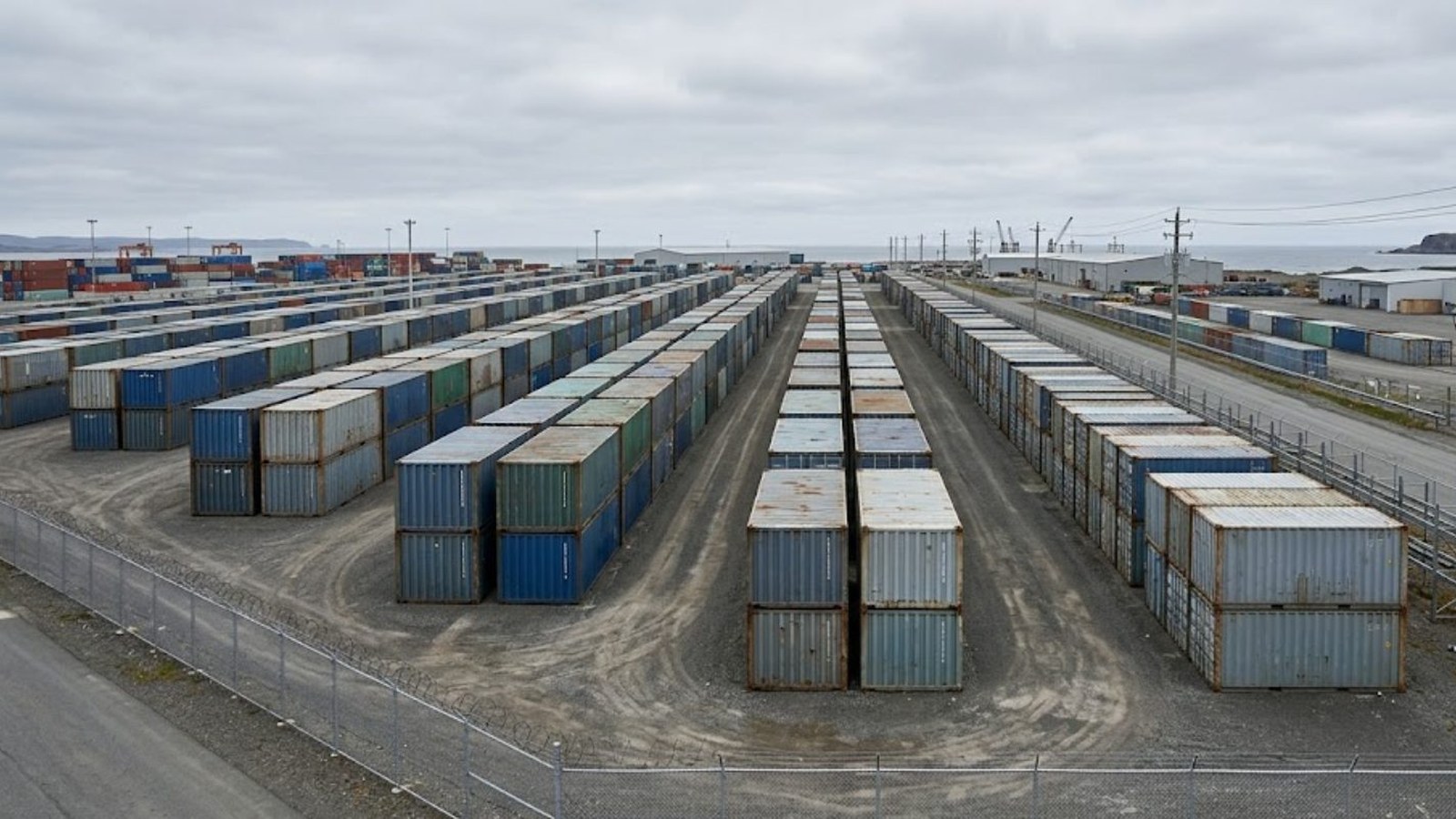
Skyworth Auto planned for a lot of buyers. Back in 2021, the Chinese EV maker said its main plant could make 100,000 cars a year. This year, through September, it sold 660 in China. That's less than 1% of what the plant was built to make. Its Nanjing showroom still shows a map claiming a presence in 45 countries.
That's China's car market in one showroom, Stephen Wilmot and Katrina Northrop report in Thursday's Journal. Chinese shoppers have bought about 22% fewer passenger cars this year than a year ago. The full year looks like about 18.5 million, the head of a big industry group said this week. That would be the weakest year since 2014. China's factories could turn out about 63 million light vehicles a year, by data firm Mobility Global's count. That's over three times what shoppers at home are expected to buy. Prices have fallen almost one-fifth since the start of 2023. The industry's profit margin sank to 3.6%, a multiyear low.
In most countries, this is where weak brands die. In China, it isn't happening yet. Chinese cities each wanted to be the Detroit of electric cars, and they poured billions into local champions. A record 143 EV brands sold at least one car at the end of 2025, by AlixPartners' tally. The average brand sold around 87,000 cars last year, with a long tail of brands under 1,000. Local officials get promoted for jobs and tax revenue, a consultant told the paper, so they're slow to pull the plug. NIO has lost more than $1 billion every year since 2021. Its stock is down 95% from its peak.
The overflow goes abroad
When you can't sell at home, you ship. China is on track to export 12 million vehicles this year, up from about a million a year at the start of the decade. The five largest Chinese makers took 11.7% of Europe's market in September. In the U.K., BYD sells its Seal hybrid for about $44,000. That's more than $10,000 under a similar Volkswagen Passat. In an August memo, VW chief Oliver Blume told staff that European costs can't compete with those prices. VW is cutting as many as 50,000 jobs. BMW is cutting about 8,000 after a profit warning it pinned on China. Germany's car trade with China has flipped from a surplus to a deficit. Michael Dunne of Dunne Insights summed it up. “You get an earthquake in China, you get a tsunami outside.”
The one big market spared so far is the U.S. Tariffs and limits on Chinese car technology have all but locked Chinese makers out. GM and Ford are among the few carmakers still earning fairly healthy profits. Beijing calls the mess “involution,” its word for cutthroat competition, and has asked carmakers to ease up on price cuts.
Our read
This is an Investments/Risk · IN04 story about a price war with no end date. A normal glut clears when the weak players fail. This one is propped up by local governments, so it clears slowly and spills over borders. Tesla (TSLA) shows up in the story mostly as the company others copied. It's held at weight in 13 books; nothing added. Toyota (TM), in 6 books, is the only other carmaker we hold, and nothing was added there either. We don't own Volkswagen, BMW or Stellantis directly. Europe-wide funds like VGK, held in 11 books, carry the German carmakers in small weights. Tariffs and tech limits are what keep the price war off American car lots. Those are policies, and policies can change.
Here's the check for your own plan. Open the international or emerging-markets fund in your 401(k) this week and find its fact sheet. Look at two lines, the weight in Germany and China, and the weight in carmakers or autos. Those are the parts of your money this price war touches. In a broad fund, the carmaker slice is usually small. If yours is a big slice, you've made a bet on this price war without picking it. Bring the fact sheet to your next review and we'll read it together. You check the tires before the road trip, not on the shoulder.