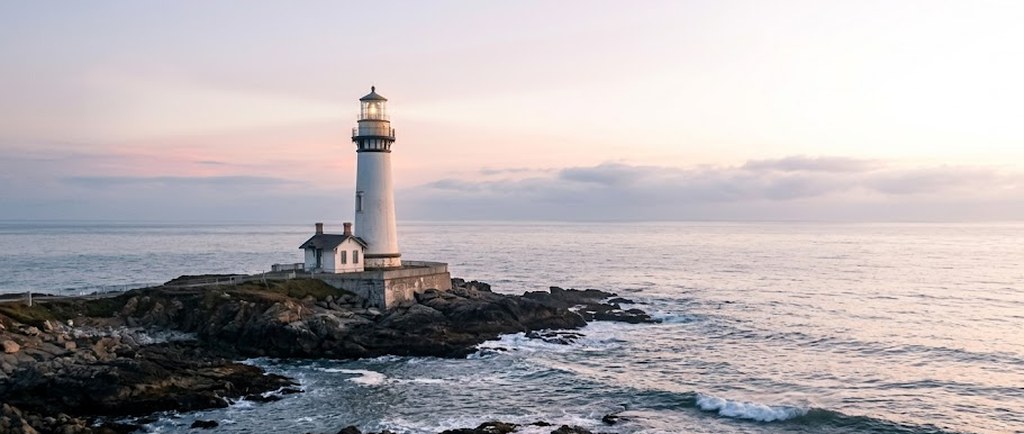
Philip M. Lovell had a cure for 1920s Los Angeles. Get fresh air and sun, and eat your vegetables raw. He preached it in his Care of the Body column in the L.A. Times. He hired Rudolph Schindler to build his family a beach house in Newport Beach with no bedrooms at all. They'd sleep on four open porches instead. Then the fog rolled in.
The porches lasted two years. Thick fog came in at night, and the air turned cold and wet. So Lovell closed the porches in and made them bedrooms, according to Judith Sheine's 2001 book on Schindler. Building the house cost about 30% more than planned. Part of the reason was the spot, which back then was a remote one about 40 miles southeast of Los Angeles. The National Register of Historic Places counts it among Schindler's most important works. The Lovells later made it their full-time home. Photographer Edward Weston visited, and Paul Robeson sang in the 20-foot-tall living room. The old shower had about five heads so a bather could lie down under the spray. It was meant to help circulation.
A buyout for about $50,000
Here's the part that matters for an estate. Leah Lovell died in 1970. Her youngest son, Gary, bought out his father and his surviving brother for roughly $50,000. Grandson Sam Lovell gave that figure to the Journal's Sarah Paynter. Philip stayed on with Gary, Gary's wife Barbara and their four children until he died in 1978. Gary died in 1997. Barbara lived there until her death in 2025. That one buyout kept the house in one branch of the family for decades. It also made it a famous place to grow up. “People showed up at the house daily, hoping to see inside,” says granddaughter Robin Lovell.
Now Gary and Barbara's four children own it together. They're in their 50s and 60s and have settled elsewhere in California, so they're selling. The ask is $18.8 million. The listing agents say the pool of buyers is narrow, but the right one may pay extra for the history. Another Lovell home, the Lovell Health House in Los Feliz, sold for $8.75 million in 2021. Newport Beach costs more. The median sale there, the one in the middle, was about $3.85 million in the third quarter. That's up 13.2% from a year earlier, according to Redfin.
Our read
This is Estate and Housing (M6). Lovell's 1920s cure was fresh air and an open porch. His family's lasting fix was simpler, a clean buyout. One son paid his father and brother roughly $50,000, and the house became his. That kept it in one household for decades. Now, one generation later, the heirs own it together and none of them lives there. So they're selling. That's a common ending for an inherited house. Owners who live somewhere else rarely keep a shared beach house for long.
If you co-own a family property with siblings, or expect to inherit one, this is your check for the week. Pull the deed and see whose names are on it and how they share ownership. Then look for a written buyout agreement. It should say who can buy out whom, how the price gets set and what event starts it, like a death or a move. If there's nothing on paper, that's the project. Bring the deed to your next review. Schindler's porches lasted two years before the fog won, and an unwritten family deal can fold just as fast.