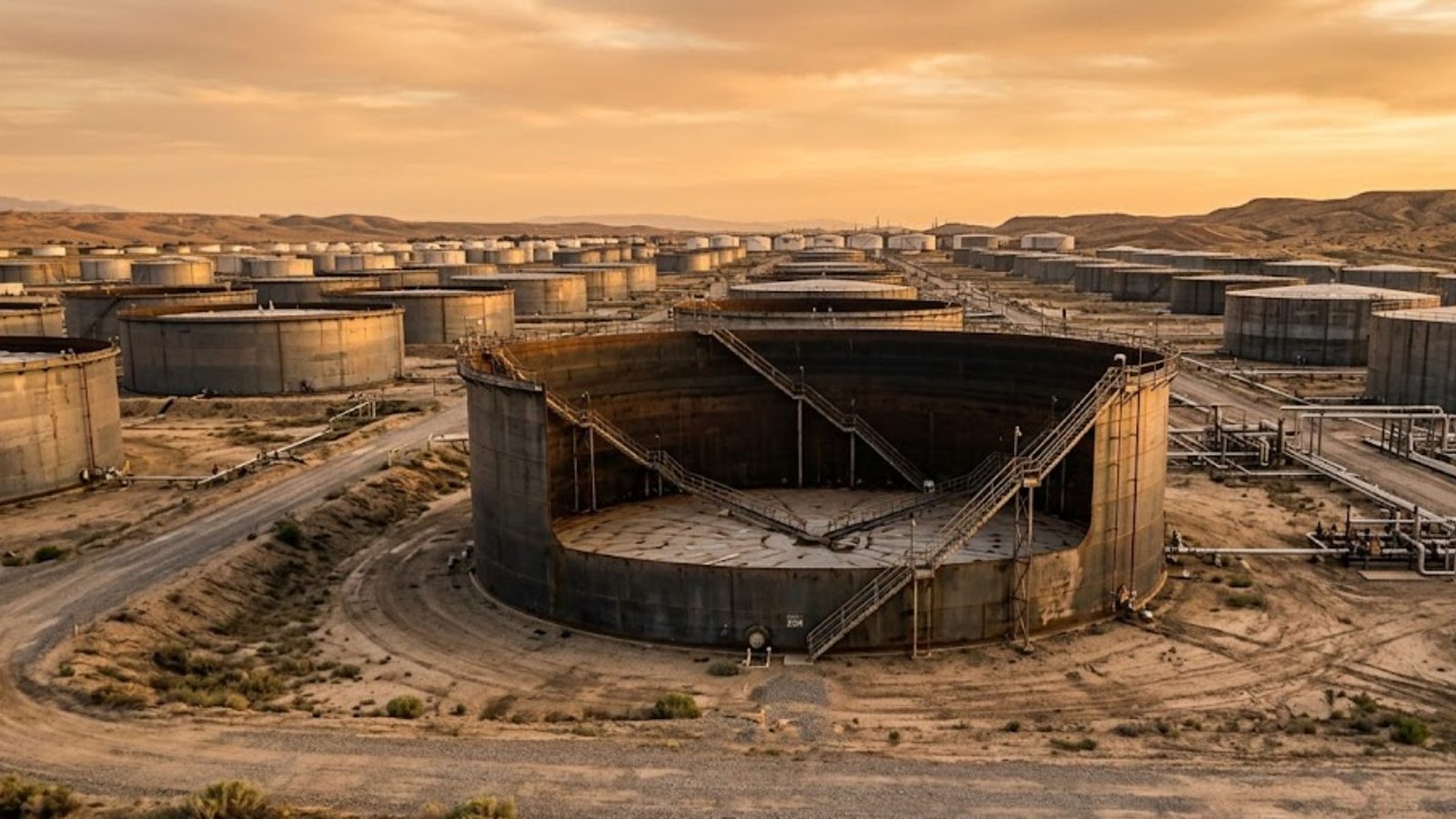
Diesel is scarce, and Shell (SHEL) is cashing in. It ran its refineries at 96% of capacity in the third quarter to make as much diesel as it could. Its refining margin hit a record $42 a barrel. That margin is roughly what the fuel sells for minus what the crude cost. The old record was $28.04, set just after Russia invaded Ukraine in 2022. Adjusted earnings, which leave out one-time items, nearly doubled to $10.81 billion. Shell raised its quarterly buyback to $5 billion from $3 billion.
The Journal's Matthew Dalton and Adam Whittaker explain why diesel is so tight. The wars in Iran and Ukraine have cut the world's diesel exports. Most of the gap comes from Middle East producers who can't ship because of the Iran war. With Middle East and Russian fuel scarce, the U.S. now ships more diesel abroad than anyone. That's the part we watch. Last month President Trump said his administration was weighing limits on U.S. diesel exports to bring prices down at home. He later said such limits weren't on the table. That is the whole of it. No rule was published. Shell's CEO Wael Sawan asked governments to "be careful that through interventions we do not mask these important price signals."
The tankers are moving, and the price went up anyway
Thursday's paper had the crude side. Brent, the global oil benchmark, settled at $115.32 on Wednesday, Oct. 28. That's even though Persian Gulf exports topped 24 million barrels a day in the week through Oct. 18, more than before the war. They fell to at least 15.7 million the next week. Goldman Sachs figures fear of new supply disruptions adds about $27 a barrel. JPMorgan's model puts fair value at $94. Regular gas averaged $4.25 a gallon. The supply picture is shifting too. Friday's paper reports that Ukraine has paused strikes on Russian refineries under U.S. pressure, likely until after the midterms. That keeps more Russian diesel flowing. The U.S. has also eased sanctions on Russian diesel. A court fight in Dubai shows where that fuel goes. It began with a tanker of Russian diesel that a Brazilian port turned away. Russian diesel had been displacing pricier American fuel in Brazil. All of that is more supply. None of it is an export limit.
Our read
Investments/Risk · IN04. Record refining margins are why the energy hedge is doing its job. Shell (SHEL) is held at weight in 1 book. Valero (VLO) is held at weight in 12 books; nothing added. Our written trim trigger for Valero hasn't changed. It's a published White House restriction on U.S. diesel exports. A September remark that was walked back doesn't meet it. One thing we can't explain. Valero fell 9.2% on Tuesday, Oct. 27, and no story in either paper says why. It slipped another $3.91 to $384.57 on Thursday. We'd rather tell you we don't know than invent a reason.
If you hold an energy fund or a refiner, find the one sentence in your plan that says when you'd sell it. Ours for Valero is written down. That's why a walked-back remark about diesel exports didn't make us sell. If your sentence doesn't exist yet, write it this week, before the next headline. A rule you set in calm weather is the one that holds when the forecast turns.