Picture a town of 90,000 people. Now hand it a $4 billion bill for pensions and retiree health care that it hasn't set money aside for. That's the U.S. Virgin Islands, as lawyer Robert Gordon describes it on the Journal's opinion page Friday, Oct. 30. His fix is an idle oil refinery and a federal oversight board. We'll leave the politics on the opinion page. The pension math is the part worth your time.
Start with the numbers. The territory owes more than $1.5 billion to bondholders. Add some $4 billion in public pension and retiree health care promises with no money set aside behind them. Spread over about 90,000 residents, that $4 billion is roughly $44,000 a person, by our own math. Gordon writes that the islands are “mired in an existential financial crisis.” He cites a January 2025 report by EY-Parthenon that called the local water and power utility close to insolvent, old and unreliable.
A refinery and a rulebook
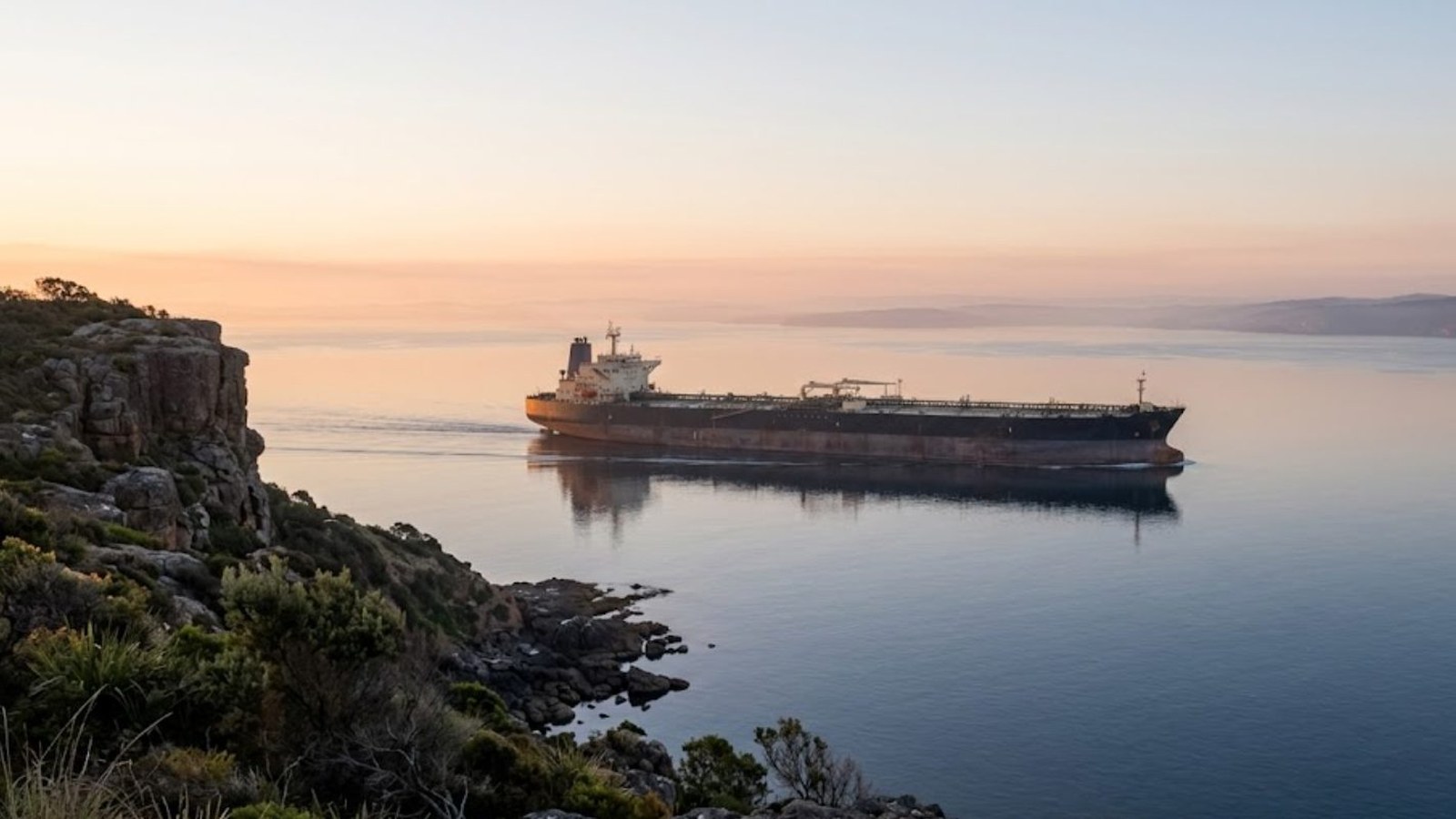
The St. Croix refinery sits idle. This summer the administration announced a plan to produce and export crude oil from Venezuela. The refinery is close to Venezuela, so it quickly drew attention. Gordon says a restart could make it the territory's largest employer and taxpayer. He also says a restart alone wouldn't fix the finances. He wants it paired with a debt restructuring under Promesa, the 2016 law Congress wrote for Puerto Rico. Under that law, the president, after consulting leaders in Congress, names an oversight board with broad powers. Those include restructuring debt and pushing for sounder budgets. Gordon asks Congress to amend the law so a board can be named for any U.S. territory. He's a partner at the law firm Boies Schiller Flexner, and the piece is his argument. Nothing has passed.
Here's why a Caribbean pension story matters in Los Angeles. The basic mechanics are the same in most public plans. A pension is a promise from an employer. The money to pay it comes from three places. Workers pay in, the employer pays in, and the investments earn a return. When an employer shorts its payment year after year, the gap grows quietly. Retirees often don't feel it until the sponsor runs out of room to borrow. Puerto Rico's debt went through the Promesa process. Gordon wants the Virgin Islands to go next.
Our read
Retirement, M10. Many of our readers draw or will draw a public pension, from CalSTRS, CalPERS, LACERA or a city plan. Those plans are far bigger than a territory of 90,000, and we're not comparing them. The lesson still holds. A pension is only as good as the sponsor behind it, and the sponsor's habit of paying in. Two numbers tell you a lot. The first is the funded ratio, the share of promised benefits the plan has assets to cover today. The second is whether the employer paid the full amount its actuaries called for last year. Both show up in the plan's yearly reports, the actuarial valuation and the annual financial report, posted on its website.
Here's the check this week. The Virgin Islands' $4 billion gap is the extreme version of a number every public plan reports. Pull up your own plan's latest reports. Find the funded ratio and the table that shows whether the employer paid in full. Write both numbers on the same page as your retirement estimate, so the promise and the funding sit side by side. A pension you understand is an umbrella you already own. Knowing where it leaks is the work. Bring that page to your next review, and we'll set it next to the rest of your retirement income.