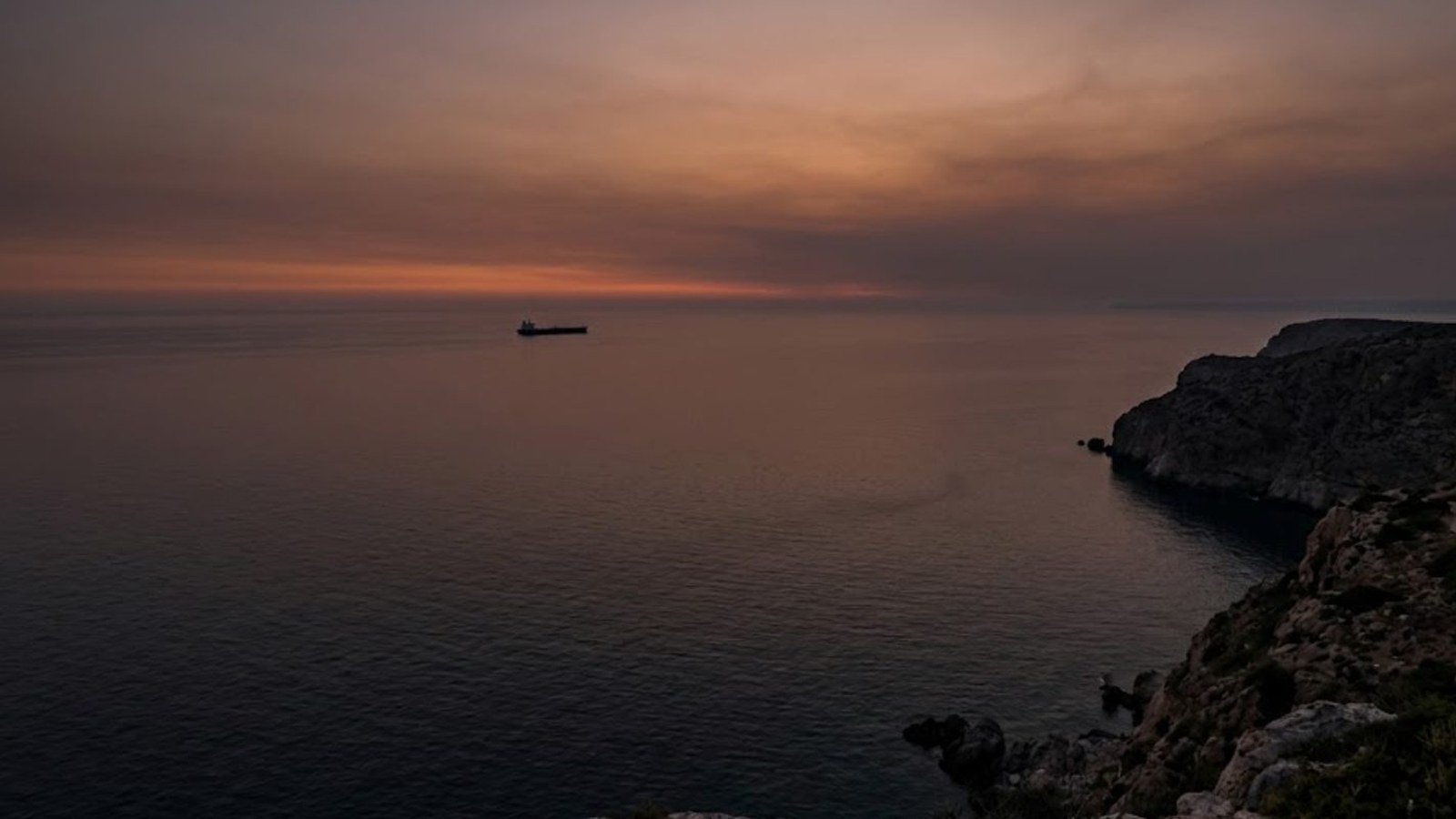
At Askernish, on South Uist in Scotland's Outer Hebrides, the course manager explained a local rule. If your drive is perfect and you can't find the ball, it went down a rabbit hole. Drop another one, no penalty. James G. Reichert, writing in the Journal's travel report, took that as a rule for golf. He also took it as a rule for life.
The trip was eight days and 10 courses in the Inner and Outer Hebrides this past July. Six strangers made up the group, five Swedes and one American. Ingvar Ritzén, who takes small groups to Scottish courses now and then, brought them together. Reichert met him in 2018 at the World Hickory Open in Scotland and they kept in touch. The group took ferries and put more than 1,200 miles on a van, on roads one lane wide, with cows for traffic. They hiked rough ground with the clubs on their backs. No caddies, no carts, no valet. Every man had to be in shape to lug his own bag through 27 holes a day. "This was not for 99 out of 100 golfers," Reichert writes.
Sheep tend the fairways
Many of them played hickory-shafted clubs, the kind golfers used before steel shafts arrived in the 1920s. They're heavier, and the sweet spot is no bigger than a dime. Colonsay was first, a 200-year-old course on sandy machair grass that sheep keep short. There's no clubhouse to speak of. A bench holds the scorecards and an honesty box, and you drop in 15 pounds, about $20. The rain never let up. Getting to Iona took an 80-minute ferry, a 75-minute drive, a 15-minute ferry, a walk to the post office to pay £1 for a scorecard, and a 1¼-mile hike. Sheep graze the first seven holes there and cows the other 11. At Barra, the greens are fenced against the cows and you enter through a turnstile. At Seil, the last course, he missed a hole-in-one by 6 inches. The sun first showed itself on the 17th hole at Glencruitten, after 53 holes of golf.
Then he gets to the point, which isn't golf. "As men age, true connections are a rare find," he writes. Over more than a week of ferries and rain, the five Swedes and the American became brothers. The courses taught the rest. You can hit a perfect shot and get a lousy result. You relax, deal with it and play the next one. "Less really can be more," he writes.
Our read
This is a Retirement story (M10), and it's about the column most plans leave blank. A retirement plan is usually a spreadsheet of money. Reichert's week is the other column. It cost a few honesty boxes and a lot of ferry tickets. It bought five brothers. Loneliness is the retirement risk nobody puts a number on, and it tends to show up right when the money part is finally working. He didn't stumble into this trip. He met Ingvar in 2018 and kept the thread going for years.
Here's the check for this week. Open your retirement budget and find the travel line. Then ask who's in it. If it's a number with no names attached, add one trip with one friend and put a date on it. Then ask the harder question. Is there an Ingvar in your life, the person who gathers people and books the ferry? If there isn't, be him. We can run the money side of a plan with you in an afternoon. The people side takes years, and the man in the paper started his in 2018. That's why we'd rather talk about it now, while you've still got the legs to carry the bag. You pack the rain gear before the ferry, not on it.