Diesel is $6.28 a gallon. That's the figure in the Journal's weekend paper, and it's the one you feel at the pump and in the price of everything a truck delivers. Here's the strange part. The oil is flowing. The U.S. military says 95% of the ships through the Strait of Hormuz are getting through safely. Brent crude still closed Friday, Oct. 30, at $117.64.
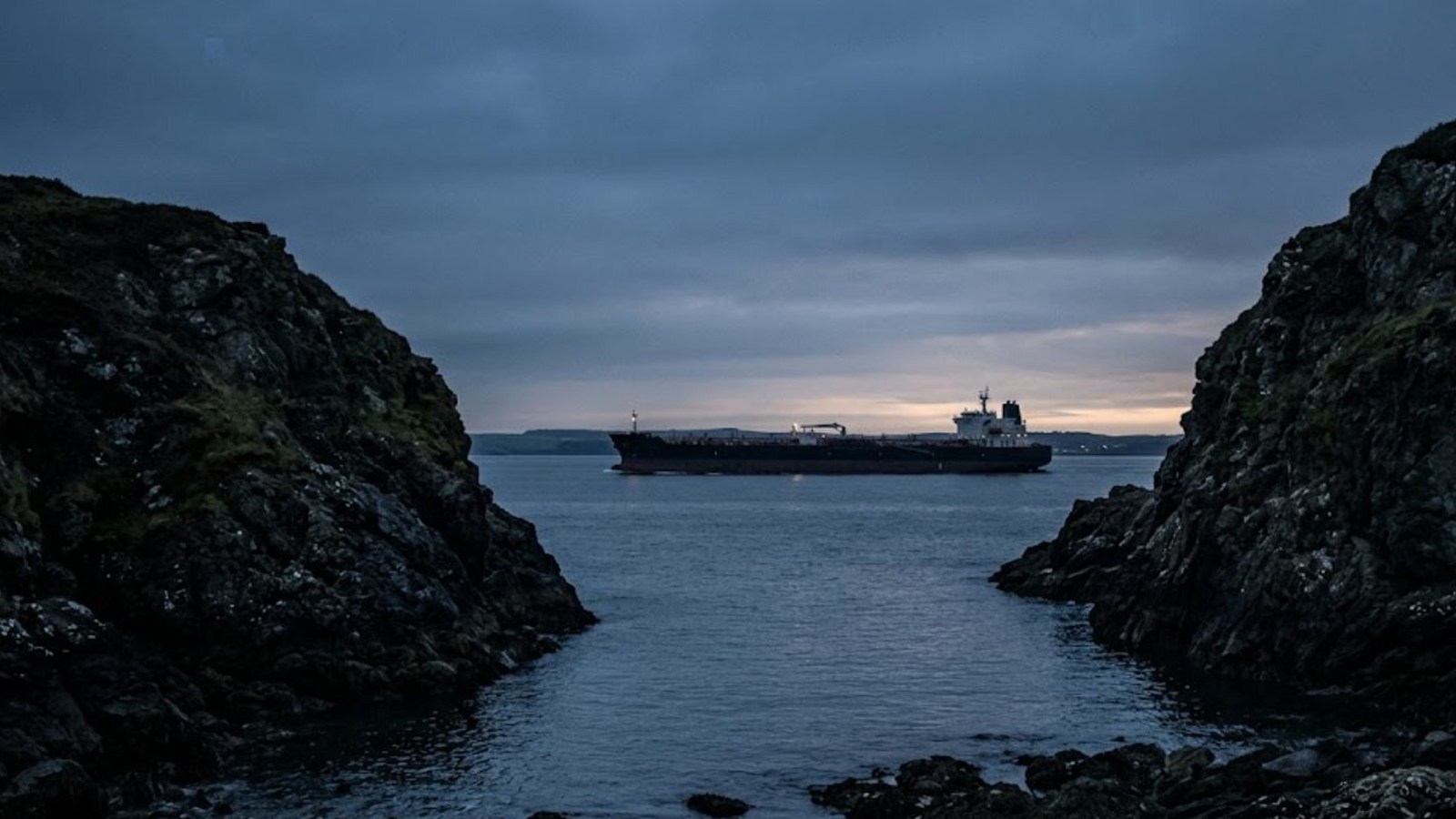
Shelby Holliday reported from the deck of the USS George Washington in the Arabian Sea. Nearly every night, F-35C and F/A-18 jets launch in the dark. Their job is to stop Iranian cruise missiles and drones before they reach the tankers. The strait is 20 miles wide. The military says it has escorted more than 3,000 commercial ships in six months. Persian Gulf oil exports have passed prewar levels in recent weeks. Adm. Brad Cooper flew over the strait as Central Command marked 1.5 billion barrels exported since the summer. In a video Friday he said he'd seen "dozens of commercial vessels transiting," crude and LNG among them, and no Iranian guard boats. By the Journal's editorial page's count, Iran itself is exporting nothing under the blockade.
The cost is the other side of it. The U.S. has 50,000 forces and 20 Navy ships in the region. The Congressional Budget Office puts the bill at $2 billion to $3 billion a month in munitions, jet fuel and supplies. Carriers have set modern records for days at sea without a port call. The war's running tab stood at $47.1 billion as of Oct. 16, by a document the Journal viewed. Damage to U.S. bases is priced separately at a minimum of $5 billion and possibly $15 billion. The Journal's satellite count found 274 damaged structures at 24 installations. More than 20 U.S. servicemembers have died since the war began Feb. 28. October was an especially violent month for shipping, with more than 35 incidents logged.
Why the pump price lags the tanker count
Two more pieces fill in the fuel bill. Early Friday, Ukraine struck the Novokuibyshevsk refinery in Russia's Samara region, ending a two-week pause in refinery strikes. President Trump has blamed those strikes for high global fuel prices. Energy experts mostly point to the U.S.-Iran war. On the opinion page, Holman Jenkins notes that $6.28 diesel is still under the 2008 peak, which works out to $7.40 in today's dollars. He also writes that both sides are signaling escalation after Tuesday's midterms. Trump has signaled the U.S. could launch military campaigns against Iran after the vote. The paper reports no White House restriction on diesel exports, and nothing in it changes that.
Our read
Investments/Risk, IN04. This is why our model books hold energy as the hedge. In the week chips fell, Chevron (CVX) and Exxon Mobil (XOM) set 52-week highs. They're held at weight in 37 and 34 books, with ConocoPhillips (COP) in 17, Cheniere (LNG) in 20 and Valero (VLO) in 12. Nothing added. Valero's written trim trigger is a published White House restriction on diesel exports, and that hasn't happened. On the war we report what each side says and what's scheduled. The vote is Nov. 3. The ships are moving. The price still says the risk isn't over. General planning principles, not advice.
Here's where it lands in your plan. Pull your last three months of fuel and grocery spending and compare it with the spring. That gap is the war's line in your budget, and your emergency fund should cover it without a credit card. Then open your statements and add up what energy stocks and funds come to. The hedge works only if it's sized to the rest. You don't wait for the storm to buy the umbrella. Bring both numbers to your next review and we'll size the hedge with you.