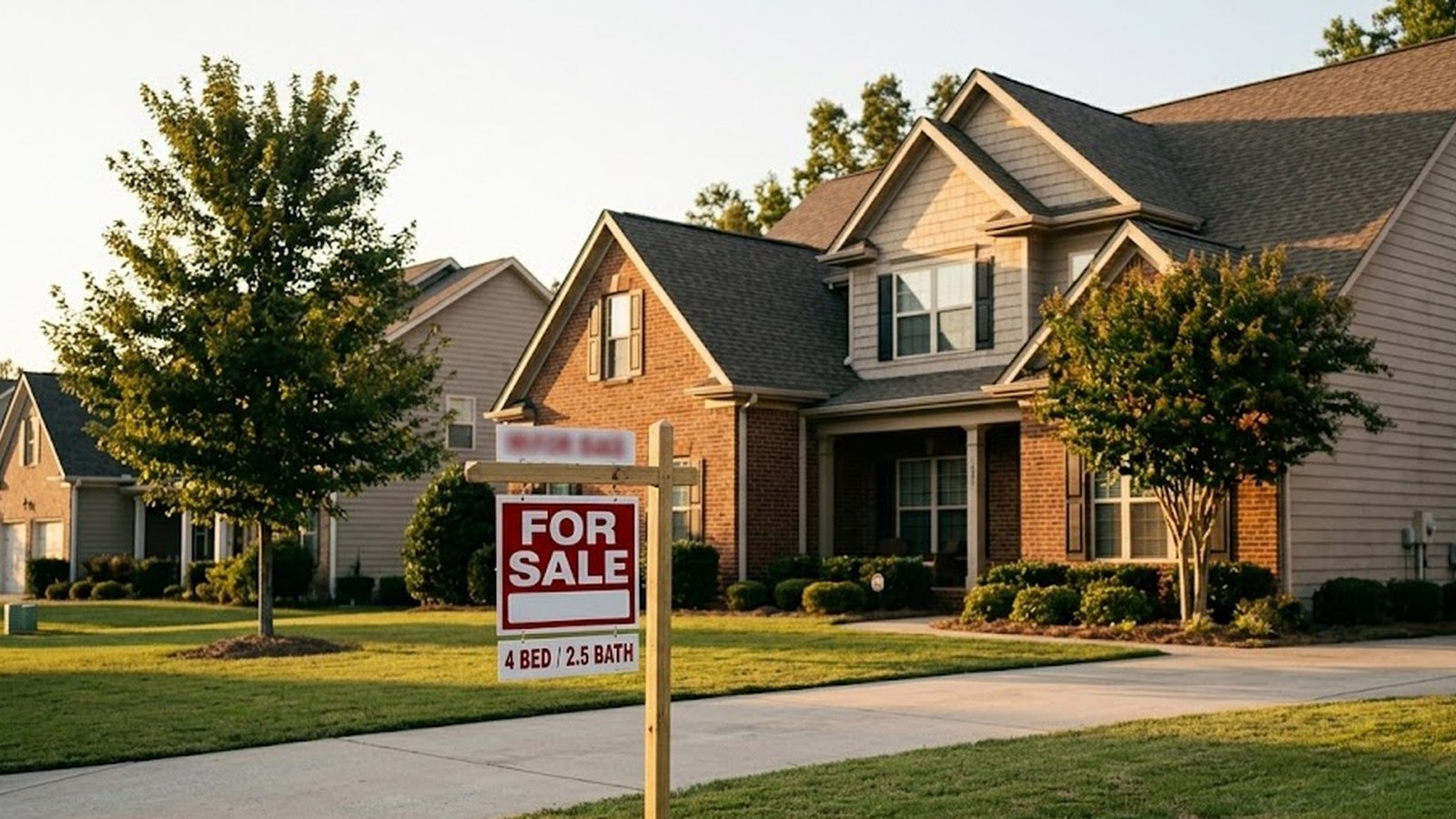
Stephen Van Rensselaer III was a generous landlord. He gave New York farmers 160-acre plots with nothing down and no rent for the first seven years. He died in 1839. His two sons inherited $400,000 of debt, about $15 million in today's money, and a will that told them to collect the back rent. The farmers wouldn't pay. Within the year as many as 14,000 of them had joined an anti-rent movement. Some tore down bridges so the collectors couldn't reach them.
That's the opening fight in "Property Values," a new history by Joshua Specht, a Notre Dame professor. Edward Glaeser, a Harvard economist, reviews it in the Journal. Specht's big idea is that America has lived under two land regimes. In the 1800s land was plentiful, and owning a piece was the path to a fair country. In the 1900s owners turned to protecting what they had. They used local rules to keep new neighbors and new homes out.
The numbers back the second half. In 1940, 44% of American households owned their home. By 1960 it was 62%. New Deal lenders and the FHA pushed it along with cheap credit. One economic historian, Daniel K. Fetter, thinks changes in finance may explain about 40% of that rise. Then the rules changed hands. A 1926 Supreme Court case, Euclid v. Ambler, let towns regulate land use almost without limit. By the 1960s and '70s the people already living in a town had learned to use that power to stop new homes. Fewer homes got built. Demand kept coming. Prices soared.
Scarcity is a choice
Glaeser puts it plainly. "The heart of America's housing affordability problem today is the excessive regulation of land." He wishes the book had a chapter on Marin County, Calif., where activists shut down construction in the 1960s. The land is still there. The permission to build on it isn't. He calls the result a self-inflicted shortage in a country that began with a quest for land.
Our read
Housing, M6. Most of us think of a home's price as a story about interest rates. Rates matter. The Journal's review is a reminder that the bigger input is often a local vote. A town that permits little keeps prices high for the people already in it. It also keeps their grown kids out. For a homeowner, that's a quiet subsidy. For a buyer, it's a wall. Neither one shows up on a mortgage statement, and both can change at a council meeting.
Where this touches your plan is the home line on your net worth sheet. For many families it's the biggest number there. Its value rests partly on rules your city can rewrite on a Tuesday night. This week, work out what share of your net worth is your house. Then look up your town's planning agenda and see what's proposed near you. If most of your wealth sits in one house on one zoning map, that's a concentration like any other. We'd rather know the map before the weather turns. Bring the number to your next review and we'll set it beside the rest of the plan.