Sacramento Decided Who Pays for the Next Wildfire. PG&E Lost 20% in a Day.
Lawmakers rejected the governor’s plan to shield utilities from insurers’ lawsuits; PG&E fell 20% and Edison 23%. Los Angeles County sued State Farm over the 2025 fires and is paying up to $5 billion on abuse claims its own prosecutor says are mostly suspect. And Proposition 40’s fine print would let the Legislature tax people worth far less than a billion.
By Sean Anees Saifi · Capital Wealth · Published Tuesday, September 1, 2026 · Source: The Wall Street Journal, August 29–30 and September 1, 2026 editions
Key Points
PG&E fell 20% and Edison International 23% Monday after lawmakers rejected a plan to block insurers from suing utilities over wildfire claims; BMO cut PG&E to hold with a $21 target reflecting “uncapped future wildfire liability post-2030.”
Los Angeles County sued State Farm, alleging delays and denials after the 2025 fires — $40 billion of insured losses, at least 31 dead; State Farm says it has paid $6.2 billion.
The county has begun paying up to 11,000 people nearly $5 billion to settle decades-old abuse claims — about $500 per resident — while the district attorney estimates up to 81% carry fraud indicators.
Nineteen of 58 counties estimate $12.4 billion of liabilities from the 2019 law; the hit to public schools is approaching $4 billion.
Proposition 40 taxes billionaires 5% once — and Section 50310 lets the Legislature amend it by two-thirds vote, which a Hoover economist warns turns it into a stealth tax on everyone. The federal income tax started at 1% in 1913.
−20%
PG&E, Monday
−23%
Edison International, Monday
$5B
L.A. County abuse settlements
$12.4B
liabilities across 19 counties
California does not cap liabilities for counties, cities or school districts. The utilities now know they are not capped either.
In one line: One vote in Sacramento repriced two utilities by a fifth; for a household in Los Angeles the same week repriced insurance, county services and, possibly, the tax code.
If you live in Los Angeles, this weekend’s papers were about your neighborhood. Start with Monday’s tape: shares of PG&E dropped 20% and Edison International 23% after the Legislature rejected Governor Newsom’s proposal to block insurance companies from suing utilities over wildfire claims. A narrower package — including a ban on Wall Street firms trading wildfire claims — goes to a vote this week. PG&E said it “would not provide the sustainable solution California needs.” BMO downgraded the stock to hold with a $21 target that now assumes “uncapped future wildfire liability post-2030.”
That is the state deciding, in one afternoon, who carries the next fire. The answer is the utility, its shareholders and, through rates, its customers.
The insurer and the county
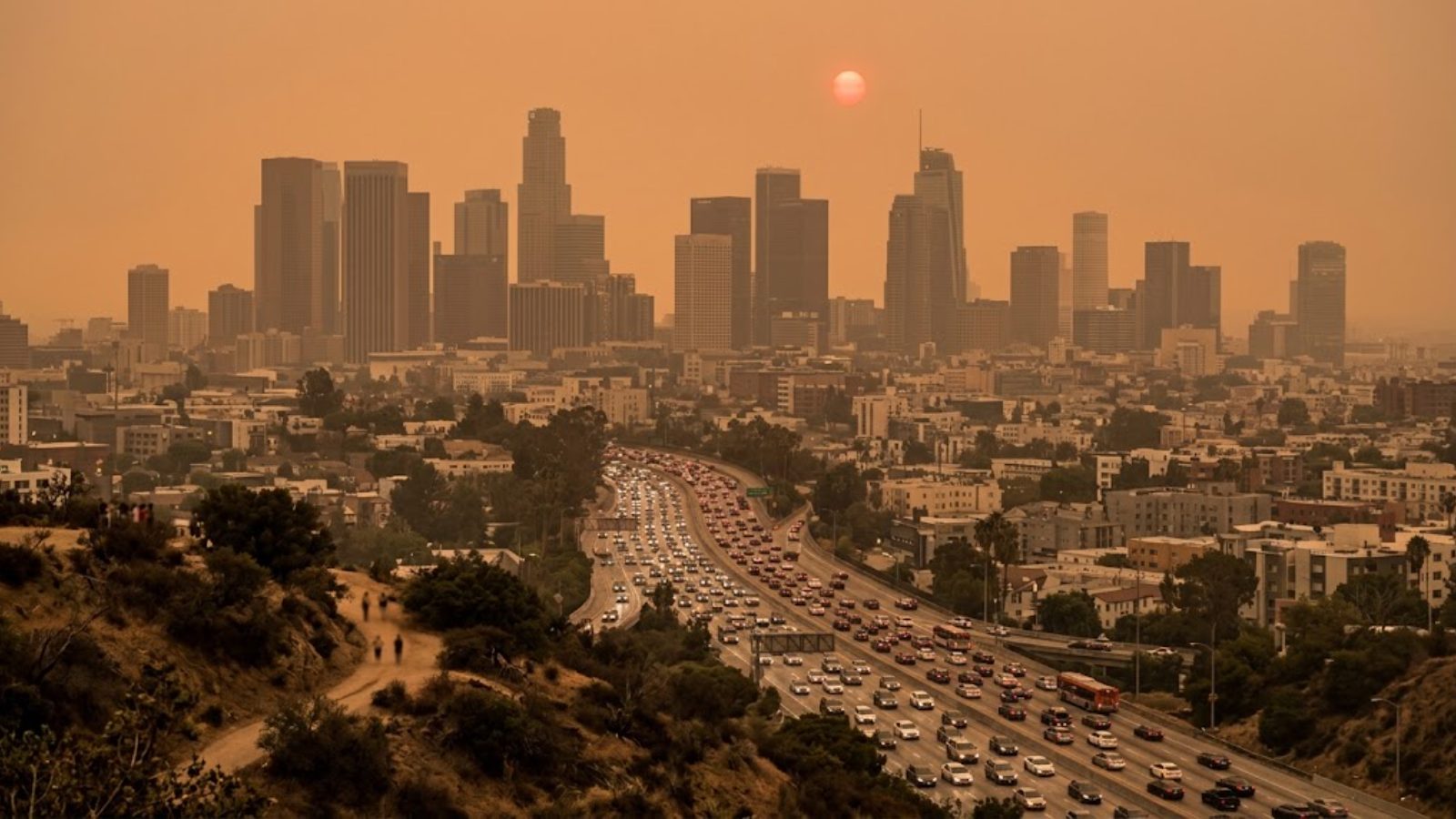
Los Angeles County sued State Farm on Monday over its handling of claims from the January 2025 fires — the most expensive in world history at $40 billion of insured losses, with at least 31 dead. The county alleges multiple adjusters per claim, unpaid living expenses and mishandled smoke damage; it wants restitution the state cannot seek. State Farm “strongly disagrees” and says it has paid $6.2 billion, heading past $7 billion. The state is separately seeking the power to suspend the insurer’s license for a year.
The county is also on the other side of a bill. Under a 2019 state law that lifted time limits on childhood abuse claims, Los Angeles County has begun paying as many as 11,000 people nearly $5 billion — about $500 for each of its 9.7 million residents. The district attorney says his review found fraud indicators in up to 81% of claims in the main fund; the county’s defense lawyers disagree and keep paying, because a jury verdict could cost more. Nineteen counties estimate $12.4 billion of exposure. “People don’t realize that cost is passed on to all of us,” Supervisor Kathryn Barger said. “It is eventually going to erode services.”
The fine print on Proposition 40
What the ballot says
What Section 50310 allows
A one-time 5% tax on net worth of $1 billion or more
The Legislature may amend the act by two-thirds vote “if the statute is consistent with and furthers the purposes” — funding healthcare, education and food aid
Today’s constitutional cap on stock and bond taxes
0.4% — which the section is written to supersede
David Henderson of the Hoover Institution makes the historical point: the federal income tax began in 1913 at 1% on the first $20,000 (about $674,000 today) and 7% at the top. Five years later the bottom rate was 6% and the top 77%. “If you vote for a measure to tax the very wealthy, you might find yourself paying rates even above those meant for the very wealthy.”
We do not take sides on ballot measures. We do read the amendment clauses.
What It Means For Your Portfolio
Avoid — PCG and EIX; California clients: review the coverage, not just the portfolio
PG&E and Edison stay out of the Capital Wealth books; uncapped liability is not a dividend story. For clients in Los Angeles County the actionable items this week are insurance and municipal exposure, not utility stocks.
A utility whose liability is capped is an income stock. One whose liability is uncapped after 2030 is an option on the weather. The market repriced that difference by a fifth in a session, and we are not buying the dip.
Three checks for a California household: does the homeowner’s policy actually cover rebuild cost after two years of inflation; which county and school district bonds sit in the muni sleeve (MUB, CMF) and what liabilities they now carry; and, if net worth is anywhere near the Prop 40 conversation, what the amendment clause means for the estate plan.