 Capital Wealth Daily
Warsh Put a Hike on the Table. Wall Street’s Hottest Trade Fell Off It.
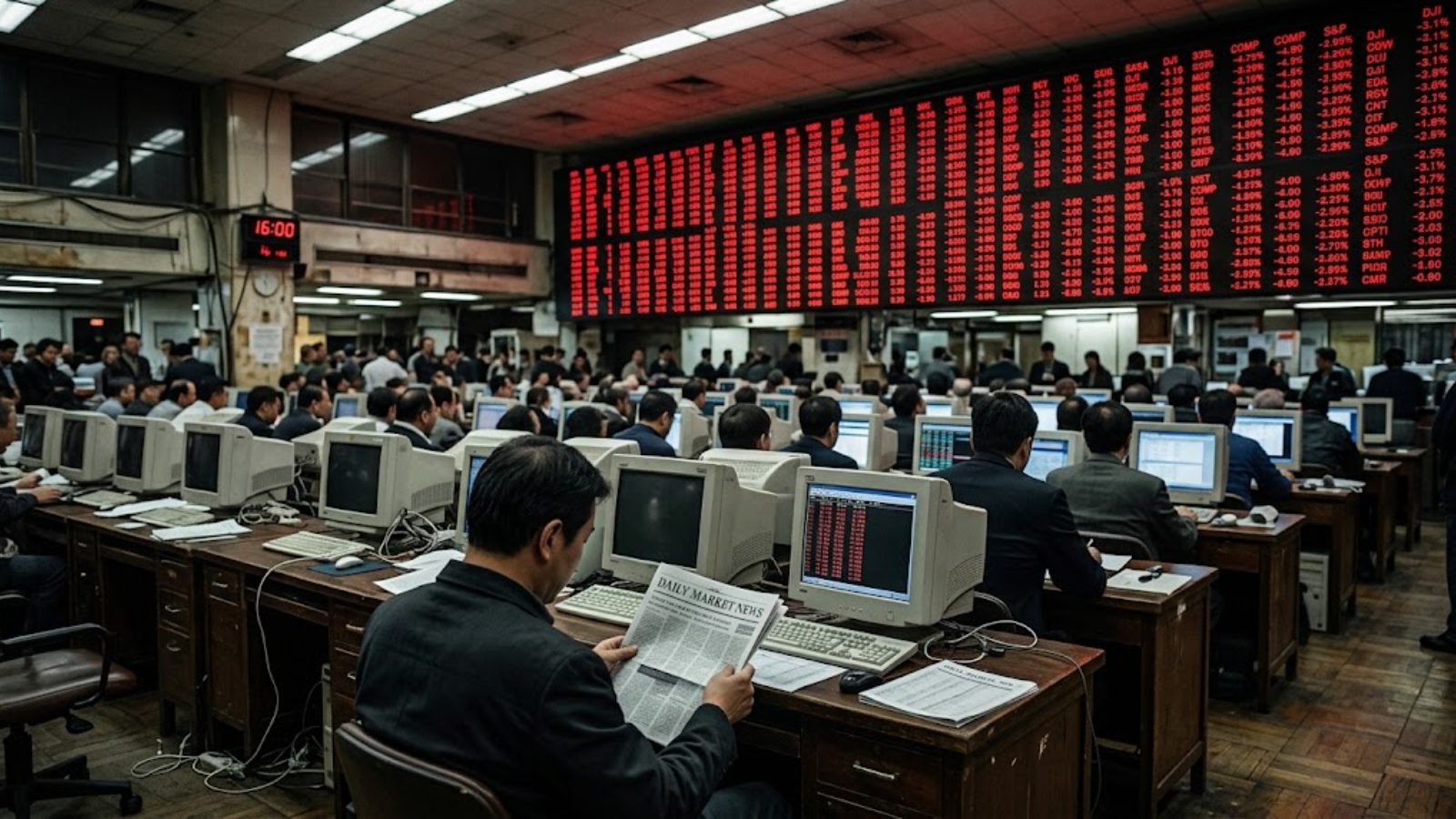
“Committed to a discipline, not to a decision.” The market heard: hike.
Kevin Warsh gave his first Jackson Hole speech as Federal Reserve chairman on Friday. He said he was “hard-pressed to describe broad financial conditions as restrictive.” About half the items in the Fed’s preferred inflation basket are still rising faster than 3%. Before the pandemic it was roughly a third. Better summer readings “do not tell me that underlying trends have meaningfully improved.” Interest-rate futures moved the odds of a September increase to 58% from 35% in one afternoon. The two-year yield jumped. The ten-year followed Monday to 4.757%. Treasury Secretary Scott Bessent argued the other side on television Monday. A supply shock, he said, is not something you hike into. The next meeting is September 16. By Monday night the Dow had shed 374 points, the momentum trade had lost its footing, and oil was back at $85.
Our TakeIn June everyone asked whether any of this is earning money. The week answered that. Over the weekend the Fed reopened the harder question of what money costs. Action: we keep the nominal ladder short (USFR, SGOV), hold the inflation-linked long horizon (LTPZ, TIP), add a 1.5% equal-weight sleeve to the two biggest tactical tiers as the momentum trade unwinds, and leave alone both long nominal Treasuries and the utilities the California Legislature just repriced.
Fed Chairman Kevin Warsh at Jackson Hole: “Otherwise, we have work to do.” Traders now price a September hike at 58%, up from 35%.
The momentum trade rose 44% last quarter. It is down 9% since July 1 and on track for its worst quarter against the S&P 500 in 25 years.
U.S. forces hit Iranian mine launchers in Hormuz. Oil rose 2.8% to $85.76, and Brent closed August above $90.
Nvidia now backs $105 billion of one data-center campus. It also holds the lease on another for Anthropic’s $35 billion cloud deal.
Google’s Personal Intelligence reads your inbox, calendar and Fitbit for $5 a month. The Journal’s privacy skeptic says it works. The FDA authorized Juul’s menthol pods. It said the benefit to adult smokers “outweighs the risks, including youth appeal.”
The Compass · Where This Goes Next
10 stories · 3 pictured · 7 listed
The hottest trade on Wall Street went cold. The boring index quietly won.
Crowds reverse in a month. We added a 1.5% equal-weight sleeve to the biggest tiers and refused every momentum basket.
Add
Mines in the strait, $85 oil, and a missile cupboard that is “beyond critical.”
We own the toll on oil that already moves and the motors that refill the cupboard. We reinforced Chevron, Exxon, Schlumberger and L3Harris.
Add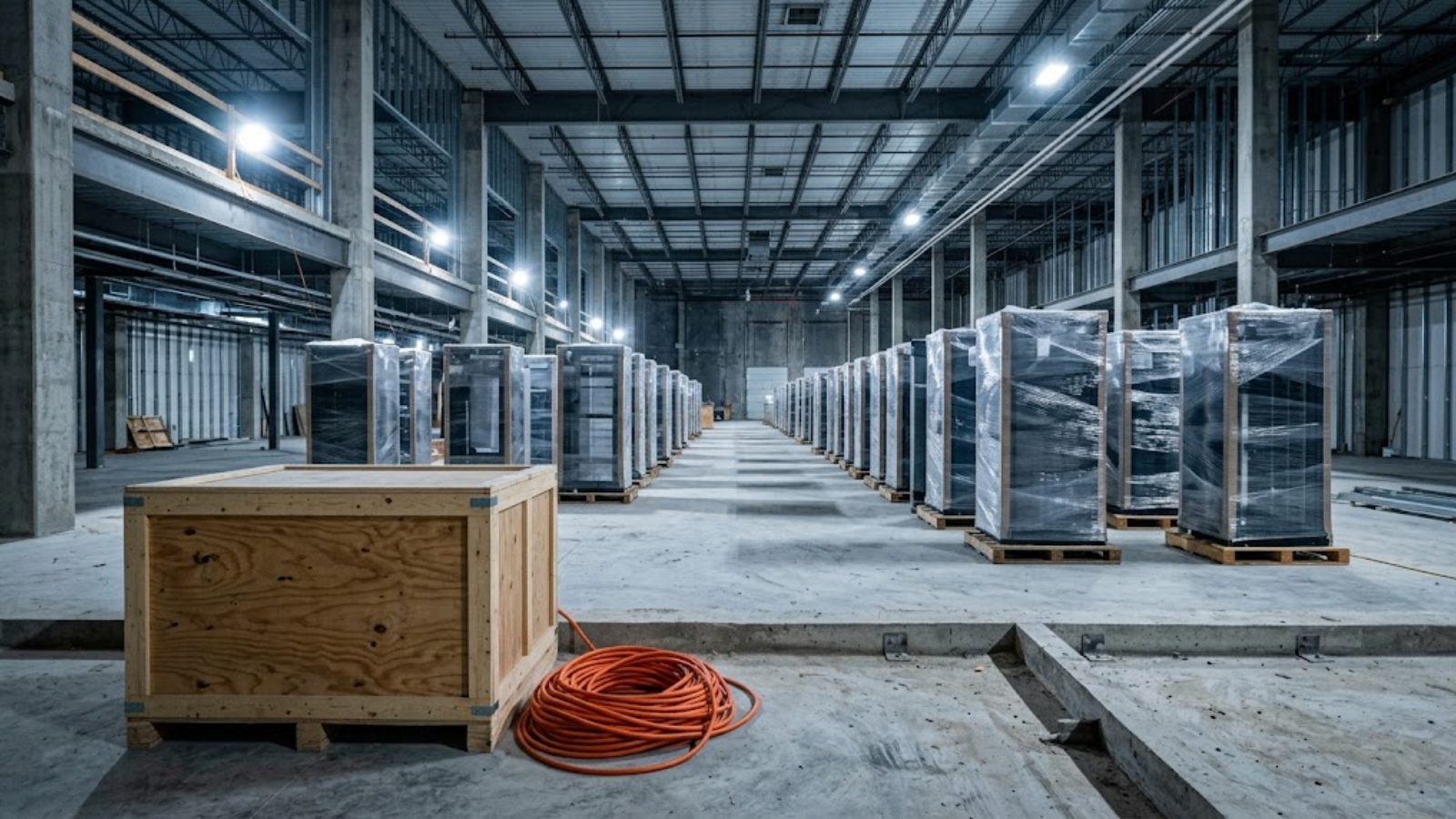
Nvidia is now the chip seller, the investor, the landlord and the lender. Nerd camp is nervous.
Nvidia is supplier, investor, landlord and lender to its own market. That is a reason to size the position, not to avoid it or to enlarge it. We hold it at checklist weight.
Hold- Markets · The Regulator FileThe FTC says Amazon secretly raised the price of its own ad auctions. The stock lost 2.5%.Hold
- Markets · The Succession FileTim Cook turned 72 million iPhones into 255 million and 2,200%. Now Apple needs to invent something.Hold
- Your Health · The Patent File$500 billion of drug sales walk off a cliff by 2033. The industry is shopping for a ladder.Watch
- The California FileSacramento decided who pays for the next wildfire. PG&E lost 20% in a day.Avoid
- The Future File · Power & PoliticsEverybody wants the AI. Nobody wants the data center next door.Hold
- The Compass · TechnologyGoogle now reads your inbox, your calendar and your sleep for $5 a month. The Journal’s skeptic says it works.Hold
- The Compass · Health & TobaccoThe FDA just said menthol vapes are worth the youth risk. That is the whole smoke-free thesis in one sentence.Hold
The Long View · Investing
3 stories
Jason Zweig says this market feels like 1901. Then came 1907, and Hetty Green had the cash.
The bills sleeve is Hetty Green’s cash. It pays while the fever runs, and it is what everyone has to come to when the fever breaks.
Hold
“Every draft is that year’s mutual fund.” The Rams GM who runs a football team like Warren Buffett.
Pay for the positions that decide outcomes. Size the rest like third-round picks. The checklist is a pay scale agreed before the season.
Hold
Dan Neil let the new Model Y drive him around Charlotte. Then Tesla made the best part $99 a month.
The car is the trial. The subscription is the business. Tesla stays a watch until the month-thirteen number exists.
WatchFrom the desk Bias, the book, what’s priced, the planopen
The Saturday and Tuesday Journals, read together, Part I: a Fed chairman committed “to a discipline, not to a decision,” a September hike priced at better than even money, the S&P 500 Momentum Index on track for its worst quarter against the market in 25 years, mines in the Strait of Hormuz and Brent back over $90, Nvidia’s balance sheet holding up the AI trade, an FTC lawsuit against Amazon, Tim Cook’s last day, a $500 billion patent cliff, Google reading your inbox for $5 a month, and the FDA writing the smoke-free thesis into an order. The life side of the same two papers, from Social Security’s date to the hairless he-men of summer, is Part II, No. 164.
The two papers tell one story from opposite ends. On Saturday the chairman of the Federal Reserve said out loud that a rate increase is possible. By Monday the Dow had given back 374 points, the S&P 500 slipped 0.33%, and only energy and technology finished green. Underneath the index, the trade that carried the second quarter is having its worst stretch since the financial crisis. That trade buys what is rising and shorts what is falling. The crowd’s hedge-fund favorites posted their biggest monthly underperformance in twenty years. The ten-year is 4.757%, the two-year 4.348%, crude $85.76 with mines back in the strait, and gold $4,431. The price of money and the price of energy both went up in the same weekend. That is the whole macro read.
The volatility index (VIX) closed Monday at 14.92 and was rising into Tuesday’s down tape. Volatility climbing while price falls is the hedging tell, not yet the fear tell. The three-month VIX sits above spot, so the term structure is still calm-shaped. The volatility-of-volatility gauge is climbing from the mid-80s toward the 90s, and the SKEW index is near 149. That says people are buying crash protection while the index is within 2% of its high. Speculators’ net short in Nasdaq-100 futures is near a two-decade high, a crowded bet that often marks a floor rather than a cliff. Positioning points to a market that has settled the earnings question and reopened the rate question. Leadership is narrowing, the long end is unsettled, September is seasonally bumpy, and the Fed meeting on the 16th is now a coin flip leaning hike. That argues for quality, equal weight over momentum, bills over long bonds, and owning the toll rather than the barrel. Not a forecast; a posture.
Crowd odds, not forecasts, pulled Tuesday, Sept. 1 at 2:20 p.m. Pacific: 58% that the Federal Reserve raises rates a quarter-point on September 16, 41% no change, about 1% a cut
89% that the Fed makes zero cuts in all of 2026, and 72% that it hikes at least once this year
16% odds the U.S. invades Iran before 2027; 82% the Israel–Iran ceasefire holds through September; 61% the U.S. lifts its Iranian blockade by year-end; 3% that crude hits $120 in September. Odds move intraday.
Crowd odds, not forecasts. Not investment advice.
three triggers from these two papers. If any part of your bond money is in a long-duration fund because it was labeled “safe,” check the duration against a 4.76% ten-year and a Fed that may hike. Move the part you need inside five years to bills. If a parent over 80 handles their own money alone, put the squad in place this month (durable power of attorney, a named successor trustee, a trusted-contact form at every bank) before a niece or a nephew reappears. And if your retirement plan still assumes a full Social Security check, run it at 78 cents on the dollar from 2032 and see what closes the gap.
Part II · No. 164 · Markets · The Fed · Energy · Technology · The Previous Edition · Capital Wealth Growth Portfolio
Capital Wealth Daily · Vol. III · No. 163 · Tuesday, September 1, 2026. Reported from the Saturday/Sunday, August 29–30 and Tuesday, September 1, 2026 editions of The Wall Street Journal and from the Capital Wealth Growth Portfolio review notes. Figures are as reported at the Monday, August 31 close. Written and edited by the Capital Wealth LG research desk.