Capital Wealth
FRI CLOSE · SEP 11   S&P 500 7,656.98 ▲0.86%  ·  DJIA 52,573.29 ▲0.98%  ·  NASDAQ 26,333.04 ▲0.96%  ·  10-YR 4.975%  ·  2-YR 4.572%  ·  WTI $99.99 ▼2.4%  ·  GOLD $4,390.00 ▲0.6%  ·  VIX 15.84 ▼11.2%
Off Duty · Rumble Seat

Porsche Built Its Most Powerful Production Car Ever, Then Made It Look Like Any Cayenne

The 2026 Cayenne Turbo Electric makes up to 1,139 horsepower and starts at $163,000. The Journal’s reviewer says the base or S gets you nearly the same car for a lot less.

By Sean Anees Saifi · Capital Wealth · Published Tuesday, September 15, 2026 · Source: The Wall Street Journal, September 12–13, 2026 Weekend edition (Off Duty)
Key Points
1,139 hp
peak output, for up to 10 seconds
2.4 sec
official 0-60 mph time
$109,000
starting price, base Cayenne Electric
$198,180
price of the Turbo as tested
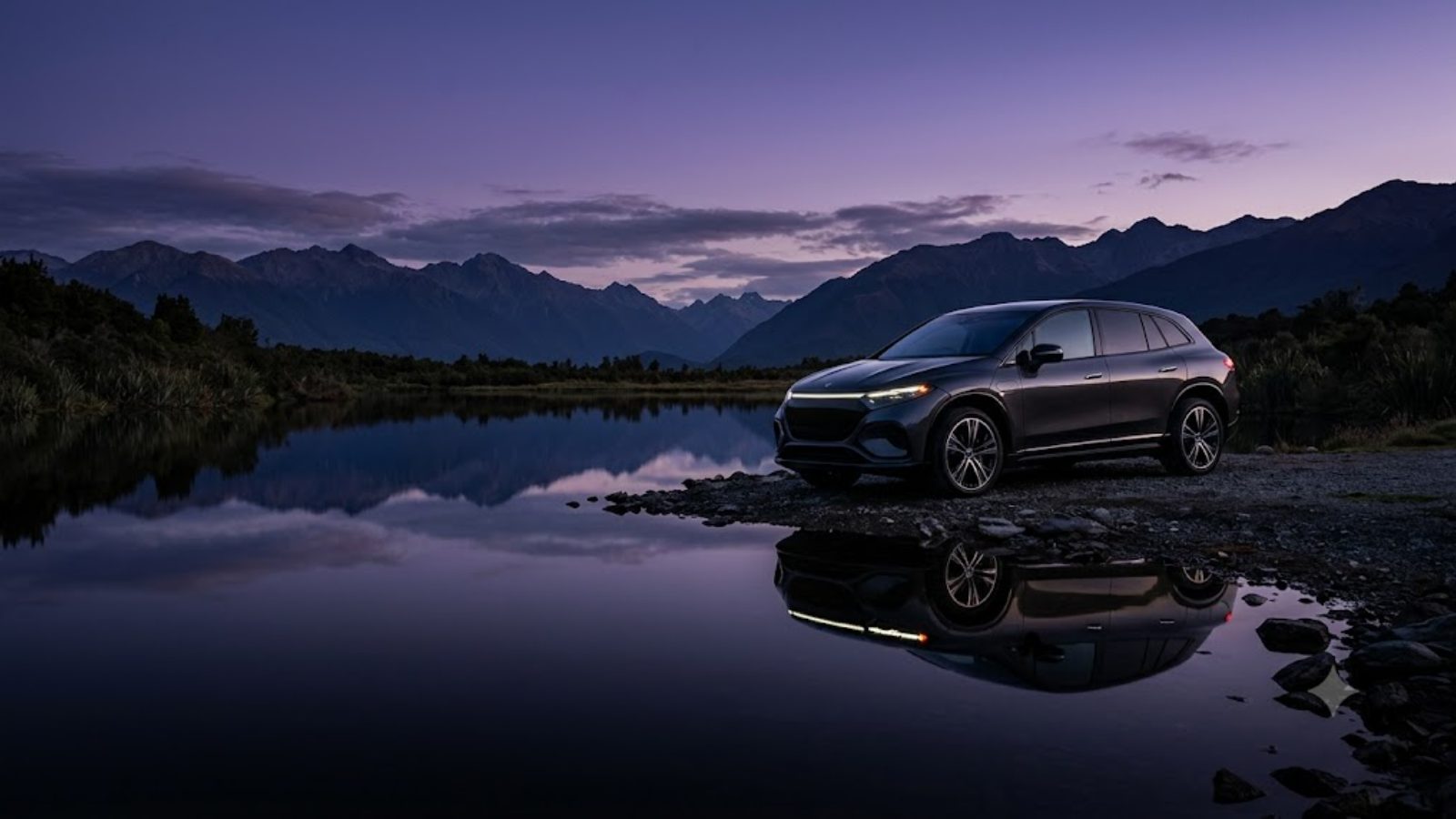
A dark SUV parked on a rocky lakeshore at dusk, reflected in still water beneath a purple sky and jagged mountains.
Porsche’s electric Cayenne comes in base, S and Turbo trims, and even the most powerful one looks almost exactly like the gas model. The reviewer’s advice: skip the Turbo, because the cheaper trims are nearly identical.
In one line: Porsche’s most powerful production vehicle is a hushed, 1,139-hp electric Cayenne that barely looks different, and the reviewer says the cheaper trims deliver nearly all of it.

On a day of hard driving through Colorado’s ski country, a thumb lost an argument with a steering-wheel button. The thumb belonged to Dan Neil, who writes the Journal’s Rumble Seat column. The button sits on the 2026 Porsche Cayenne Turbo Electric, and it lifts the SUV from 844 horsepower to 1,139 for up to 10 seconds. The catch? It gets too hot to hold, he says, long before the 10 seconds are up.

What $163,000 Gets You

Porsche says this is the most powerful production vehicle it has ever built, and it doesn’t feel like marketing. Two electric motors, one per axle, make 844 horsepower before anyone touches the button, and the official 0-60 mph time is 2.4 seconds. Still, Neil’s most memorable moments came at highway speed, passing slower traffic.

The gentler surprises may matter more on a Tuesday. The cabin is nearly silent, and he happily switched off the piped-in performance soundtrack. Estimated range is 298 miles, yet even driven hard, the display never dipped below 250. An 800V system can take the battery from 10% to 80% in as little as 16 minutes.

Where the Money Goes

The base Cayenne Electric starts at $109,000, the S at $126,300 and the Turbo at $163,000. Porsche has tried to absorb some of the 25% tariff on European imports rather than pass it all along. The test car still came to $198,180. By our arithmetic, that’s $35,180 past the Turbo’s starting price, including $5,870 for summer tires on 22-inch forged wheels.

Neil’s advice may be the most useful line in the review: “I don’t recommend the full-boat Turbo, unless your insecurity is really crippling.” With a few exceptions, he says, the base and S are identical, and the S offers the Turbo’s trick rear differential and Active Ride as options. His other doubt is the look: the mightiest Cayenne is hard to tell apart from the gas version.

A car is the most enjoyable depreciating asset most of us will ever own, and there’s no shame in wanting a fast one. The trick is buying it without letting it buy you, and that’s mostly about timing: the budget gets set at the kitchen table, not in the configurator. Nobody goes umbrella shopping mid-downpour. Bring your statement; fifteen minutes will show how much car the plan can carry.

What It Means For Your Portfolio

Hold — enjoy the drive, cap the options

There’s nothing to trade on a car review; the move happens at home — set the all-in price before the options list, and pay with money already set aside.

General planning principles, not advice for anyone in particular: a new car starts losing value once it’s yours, so the sticker is only the first cost. The options screen is where budgets drift, as this test car shows. Choosing the trim and the total in advance, and funding it from savings earmarked for it, keeps a fun purchase from crowding out retirement saving.

Nothing in the Capital Wealth portfolios changes because of a car review: there’s no Porsche position, the stance stays cautious, and nothing new has been bought since Friday’s hot inflation print. The household parallel is how the portfolios treat safe money, which sits in Treasury bills. Cash you’ll spend soon, a car fund included, doesn’t need to ride the stock market.

Book a 15-Minute Review → Back to Edition No. 169 →