Capital Wealth
FRI CLOSE · SEP 11   S&P 500 7,656.98 ▲0.86%  ·  DJIA 52,573.29 ▲0.98%  ·  NASDAQ 26,333.04 ▲0.96%  ·  10-YR 4.975%  ·  2-YR 4.572%  ·  WTI $99.99 ▼2.4%  ·  GOLD $4,390.00 ▲0.6%  ·  VIX 15.84 ▼11.2%
Off Duty · Design

Stainless Steel Is the New Sterling Silver, and Higher Prices Haven’t Cooled the Crush

Young shoppers are paying up for stainless flatware, dishes and furniture even as prices climb. The better question isn’t whether it’s chic, but whether you’ll still be using it decades from now.

By Sean Anees Saifi · Capital Wealth · Published Tuesday, September 15, 2026 · Source: The Wall Street Journal, September 12–13, 2026 Weekend edition (Off Duty)
Key Points
45%
Top stainless price rise since April 2025 tariffs
70%
David Mellor U.S. sales growth over two years
3x
High-grade stainless sheet cost since 2021
$950
House of Léon steel table vs. $590 veneer
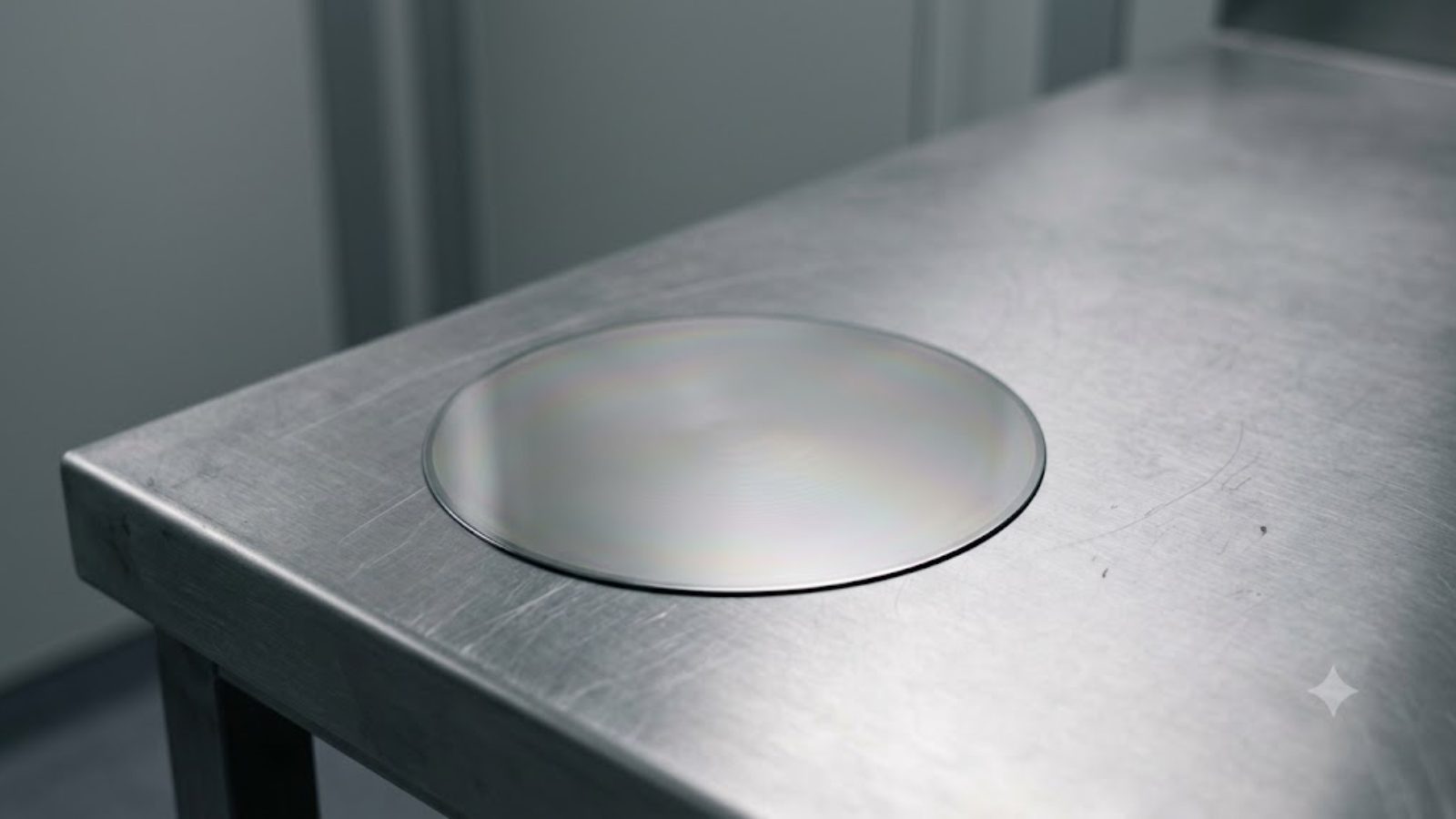
A mirror-polished round disc resting on the corner of a brushed stainless steel table in soft, cool light.
Stainless has jumped from dishwasher fronts to luxury design shops. Prices are up as much as 45% since steel tariffs began, and young buyers are paying anyway, drawn by looks and durability.
In one line: Stainless home goods are the new status decor despite higher prices, and the pieces worth buying are the ones you’ll use hard for decades.

For decades, stainless steel meant dishwasher fronts, industrial kitchens and medical supplies. Now it’s the flex. Stainless flatware, dishes and furniture sit in some of the most sought-after luxury design shops, and young shoppers keep scooping them up. The Wall Street Journal frames it neatly: stainless is to millennials and Gen Zers what sterling silver was to baby boomers. The good silver, meet the good steel.

Pricier, and Still Selling

Few popular stainless pieces are made in the U.S. Much of it is imported from countries like Italy and Japan, and prices have climbed as much as 45% since tariffs on foreign-made steel took effect in April 2025. Shoppers mostly shrugged.

British maker David Mellor raised its popular French press to nearly $200, an increase of up to 40%. Its U.S. sales have still risen some 70% over the last two years. Finnish Design Shop folds all duties into its sticker price and has seen stainless U.S. sales jump by up to 40% this year. Its chief executive says you’d expect buyers to back away from a pricier material. They haven’t.

Stainless kitchens and bathrooms keep turning up in design magazines, too, even though high-grade stainless sheet costs have tripled since designer Dean Levin, founder of 22RE, started using it in 2021. His read on the appeal is pure human nature: “When things are harder to acquire, it becomes more exciting for people to use.”

Status or Decades?

Levin’s line is honest, and it’s also a neat description of the trap. Paying more because something’s scarce is buying status. The stronger case for stainless is the boring one: it takes a beating. Wasabi’s $30 hammered side plates look hand-forged but are dishwasher-safe.

House of Léon’s $950 steel side table costs almost double a $590 wood-veneer version, but it isn’t at risk of water damage. No coasters required. Illustration: if the wood table ever needed replacing just once, you’d spend $1,180 instead of $950.

So here’s a two-question test before you check out. Will you use it hard, week after week? Would you still want it if the trend moved on? Two yeses, and the price starts to look like value rather than vanity.

What It Means For Your Portfolio

Hold — buy for decades, not the trend

Stainless can earn its price through years of hard use, so judge each piece by how often you’ll use it, not by how scarce or fashionable it feels.

Cost per use — the price divided by how many times you actually use something — is a useful defense against status spending. A $30 plate you’ll use daily can beat a showpiece that mostly sits on a shelf. They’re general planning principles, not advice for anyone in particular.

Nothing in the Capital Wealth portfolios changes because stainless is having a moment. We’re cautious and neutral on stocks, we bought nothing new after Friday’s hot inflation print, and we avoid AI IPOs bought at the listing. At home, keep the umbrella by the door before the forecast turns: a fifteen-minute review, recent statement in hand, puts the big purchases on your list in context.

Book a 15-Minute Review → Back to Edition No. 169 →