One dollar and thirty-eight cents. That is what a quarter-point Fed increase adds, per month, to the average American credit-card balance of $6,600, according to Charlie Wise, head of global research at TransUnion (TRU). You could find it in your couch.
Which is a useful way to start, because the Fed’s decision is the loudest rate story of the week and very nearly the smallest one.
What actually reprices, in order of speed
Credit cards and new auto loans. These are tied closely to the Fed’s benchmark and move within a billing cycle. The lesson is old and unglamorous: at these rates the balance matters far more than the quarter point, and the fastest guaranteed return available to most households is still paying one down.
Home-equity lines. Also fast, because they float. The Journal notes the awkward timing — Americans are sitting on record levels of home equity, and high rates have already discouraged turning it into cash for renovations. A quarter point doesn’t help.
Savings. Here the increase works for you, unevenly. High-yield accounts at online banks could reprice within days or weeks, according to NerdWallet. Large traditional banks, spokeswoman Kate Ashford notes, are less likely to pass much of it to depositors. With the national average money-market yield sitting at 0.44%, that gap is the whole story.
The mortgage, which the Fed doesn’t control
This is the part worth reading twice. Mortgage rates are tied to the 10-year Treasury yield, not the short-term rate the Fed sets. Treasury yields didn’t move decisively on Wednesday because the bond market had already priced a hike in.
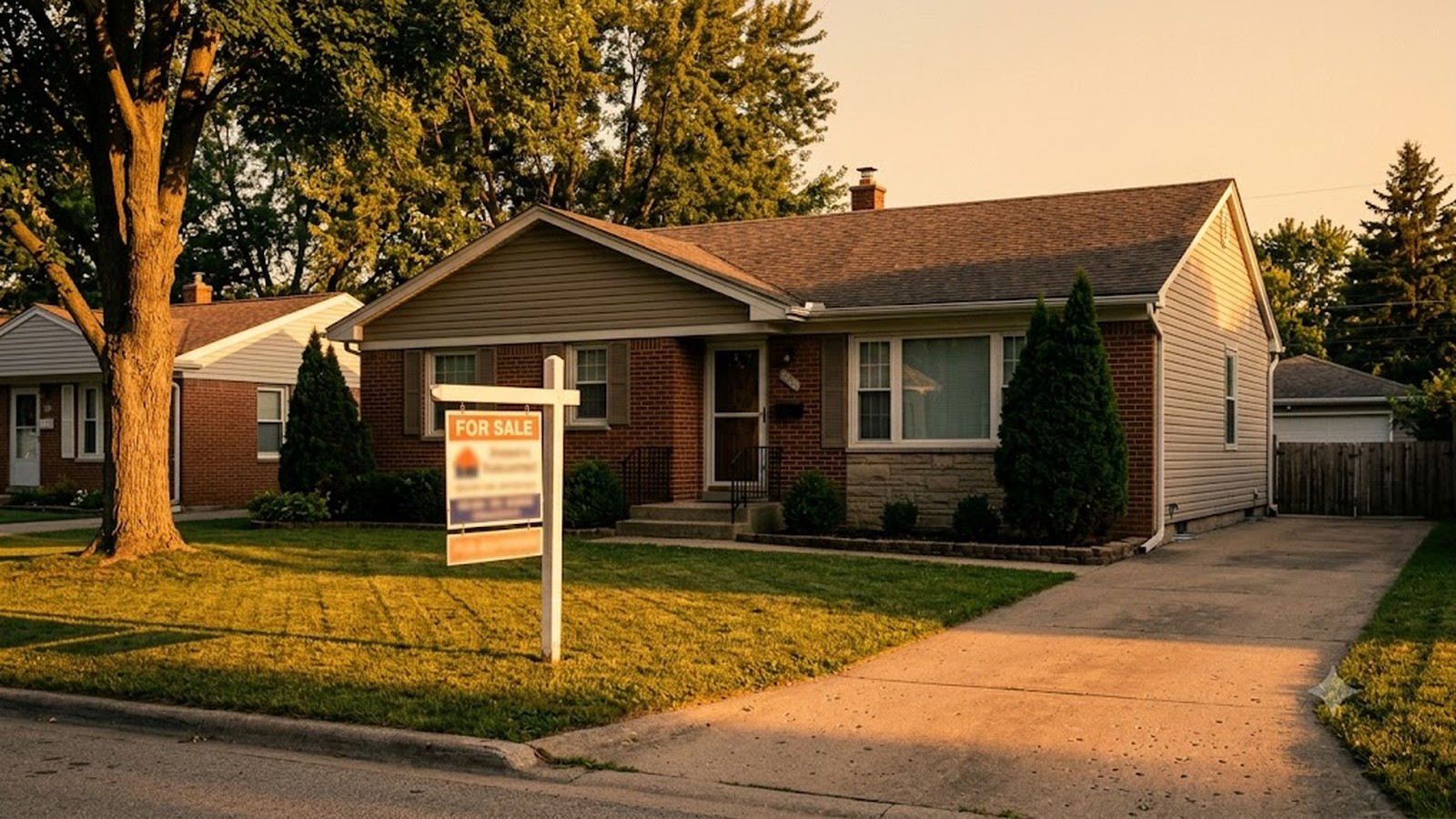
They had, however, moved plenty beforehand. A Mortgage Bankers Association survey released Wednesday put the 30-year fixed at nearly 7% — the highest in almost a year. In February, before the U.S. campaign in Iran, it stood at 6%.
A full percentage point on a mortgage is not a rounding error. It is a materially different monthly payment on the same house, and it arrived without a press conference.
The corner nobody mentions
Home builders. The Journal draws a distinction that matters for anyone watching housing supply: the largest homebuilders finance through the corporate bond market, which keys off long yields. But smaller builders and flippers rely on short-term construction financing — exactly what the Fed’s rate drives. Higher short rates make those projects stop penciling out, at a moment when the housing market badly needs supply.
States and cities are already paying more too; municipal borrowing costs track Treasury rates closely.
If a purchase, a refinance or a renovation is anywhere on your calendar, the useful exercise isn’t predicting the next meeting. It is running the payment at today’s rate instead of the one you were hoping for. That takes about fifteen minutes and a recent statement.