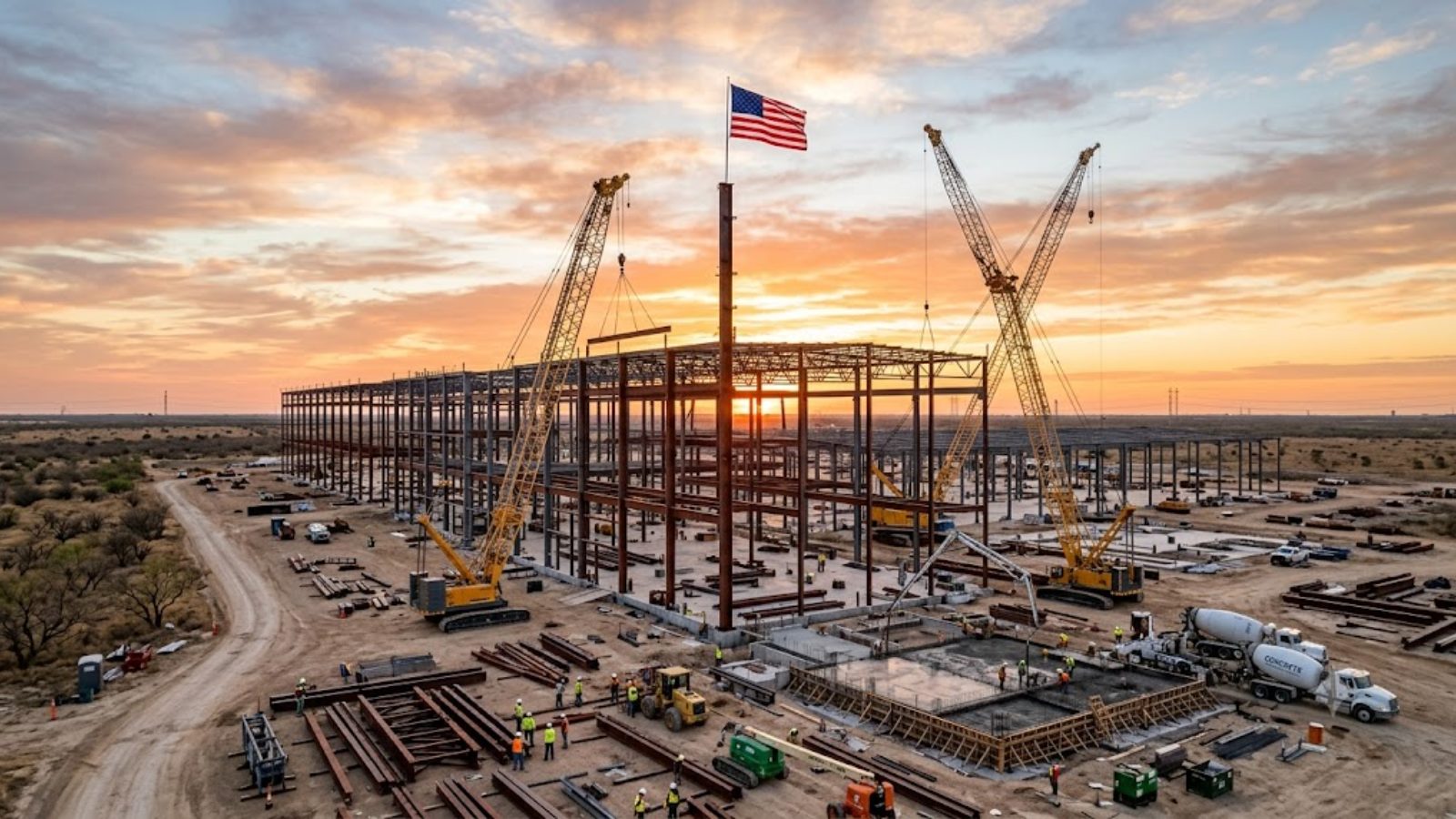
Ken Griffin picked Miami over New York and said at the Milken Institute conference earlier this year that it was unquestionably the right choice. The ground has been slower to agree. Early last Monday, a drill rig that was solidifying the foundation of Citadel’s future headquarters in Brickell toppled onto traffic, crushing three vehicles — one burst into flames moments after its driver got out — and sending four people to the hospital. Nobody died. Miami-Dade County ordered all work on the site stopped.
How long is anybody’s guess. Sergio Ascunce, the county’s building official, told the Journal nothing restarts until an investigation report is complete and accepted, and OSHA, which is running the probe, says such investigations can take up to six months, often less. A spokesman for Griffin said, “We are grateful that nobody was seriously injured in this week’s incident.” Related Cos., the Hudson Yards developer partnering with Griffin, said it’s cooperating fully with city and county building departments; Keller, the construction company, said worker and neighborhood safety is its highest priority.
Miami doesn’t have bedrock. It has a recipe.
Griffin bought the 2.5-acre waterfront parcel for $363 million in 2022, swapped Chicago’s Sterling Bay for Related after a year, and bought the Solaris Condominium across the street unit by unit — a series of LLCs, and most of the owners persuaded to sell — to grow the plan into a 52-story Foster + Partners tower with a 300-unit residential building and a parking garage. The estimate went from $1 billion to $2.5 billion. Here’s the part that travels beyond Brickell: New York skyscrapers anchor into shallow bedrock. Miami’s ground is layers of porous limestone, sand and water, so 125-ton rigs — like the one that fell — drill deep and churn cement into the soil to manufacture something solid enough to build on. Stormwater has dogged the site for months; temporary injection wells push it back into the aquifer, and as of Sept. 15 their permits were still pending. It’s King Tide season, when Miami’s tides run highest.
Our read
Strip out the billionaire and this is a story about what coastal ground costs, and it reads the same at condo scale (M11). Before you buy — or retire to — anything near the water, get the flood zone and the elevation certificate, then price the insurance before you price the kitchen: flood coverage is usually a separate policy (federal NFIP or private), wind coverage on the coast often carries its own deductible, and in some places the honest question isn’t the premium but whether anyone’s offering one. Ask the association what’s in the reserves and which special assessments are pending; a building that fights water eventually sends its owners a bill.
Then there’s the budget. A project whose estimate went from $1 billion to $2.5 billion as the plan grew, on ground that keeps surprising, is a home renovation at ten thousand times the scale, and the pattern is familiar: scope expands, the soil surprises, the permit isn’t ready when the water is. You can’t absorb Griffin’s overrun, so carry a contingency sized to what you don’t know, keep the emergency reserve out of the project, and treat the first surprise under the floor as a signal, not a one-off. You don’t wait for the first drop to find the umbrella — and you don’t wait for the King Tide to read the policy.