The hamburger did it. Meritage Hospitality Group, one of the largest Wendy’s (WEN) franchise operators in the country, filed for chapter 11 protection on Thursday, and among the reasons the Michigan company gave, the Journal reports, was the rising cost of beef — alongside aggressive discounting under Wendy’s former management and marketing missteps. Three things went wrong at Meritage, and it controlled none of them.
Meritage runs 314 Wendy’s restaurants, which it says make up the vast majority of its business and have weighed on its finances. The filing, in the U.S. Bankruptcy Court for the Western District of Michigan, followed more than a year of failed out-of-court restructuring talks with lenders and the franchiser. The numbers explain it: store-level Ebitda at its Wendy’s fell 48% in 2025, which the company says pushed restaurant-level profitability to a 30-year low. It’s seeking debtor-in-possession financing to keep the restaurants open and keep paying employees while it restructures.
The wrong end of the cow
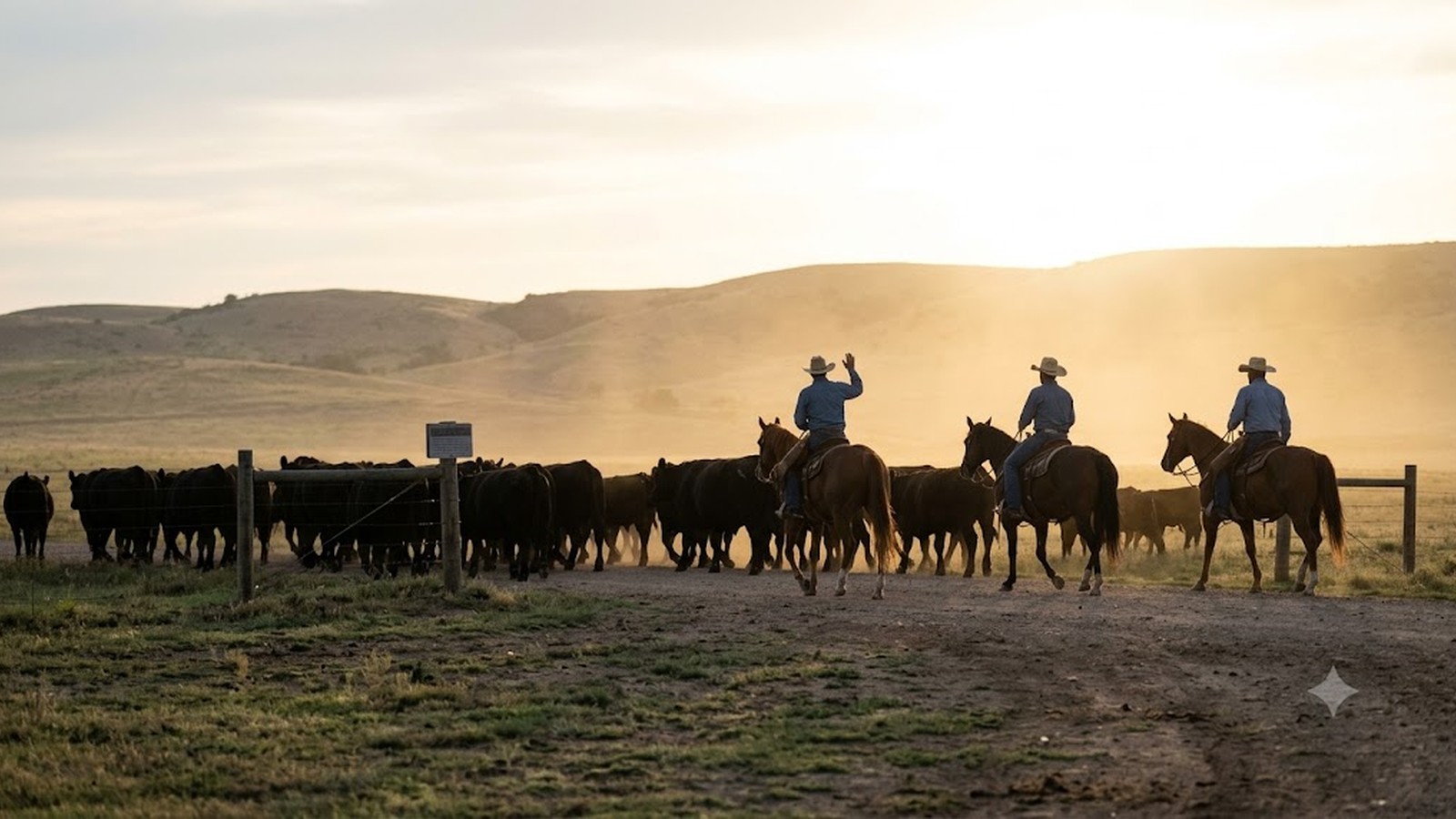
On the opinion page, the beef gets its own story. David Williams, founder of the Australian investment bank Kidder Williams and the owner of 5,000 acres of Wagyu, writes that President Trump is right that something in the U.S. beef industry is driving up prices, but that blaming concentration among the packers — JBS (JBS), Tyson Foods (TSN), Cargill and National Beef — misses the cause. In his words, “you’re trying to fix the wrong end of the cow.” The American herd, he argues, has shrunk over seven years, largely because of drought and feed prices, and Australia, among the world’s biggest beef exporters, has profited, shipping huge quantities across the Pacific for American ground beef.
His fix is an American Herd Rebuilding Program: temporary incentives for ranchers to keep their best heifers instead of sending them to slaughter, plus imports of Australian breeding cows, embryos, sexed semen and — if Washington allows it — live cattle. It’s the author’s argument, not the paper’s reporting, and the line that matters for a household budget is the one he concedes: rebuilding a herd usually takes years. Whatever you make of the proposal, the beef bill isn’t shrinking soon.
Our read
A franchise is a popular second career — you buy a known brand, a playbook and a drive-through, and often it’s retirement money that funds it. Meritage shows what else you buy: the commodity in the bun, the franchisor’s decisions about discounts and marketing, and the debt that got you the keys. The diligence isn’t optional. Read the franchise disclosure document — Item 19 is where any financial performance representations live, and not every franchisor fills it in — get real unit economics from operators who aren’t selling you anything, and look hard at the franchisor’s discounting history, because a national value promotion is a decision made in someone else’s office that comes out of your margin. And don’t put retirement money you can’t afford to lose into a business with a key ingredient priced at a cattle auction.
The second lesson is for everyone who eats. Food inflation that takes years to unwind belongs in a retirement spending plan as a line item, not a surprise; if a herd takes years to rebuild — and the rancher selling the fix says so himself — the grocery run isn’t returning to old prices on your timetable. We’d rather model it than be startled by it. If your plan quietly assumes groceries stop rising, bring it in — that assumption deserves a look before it looks at you.