Florida’s Orange Crop Is Down 95% Since Greening Hit. One Grower Planted Blueberries, and Two Fixes Won EPA Approval
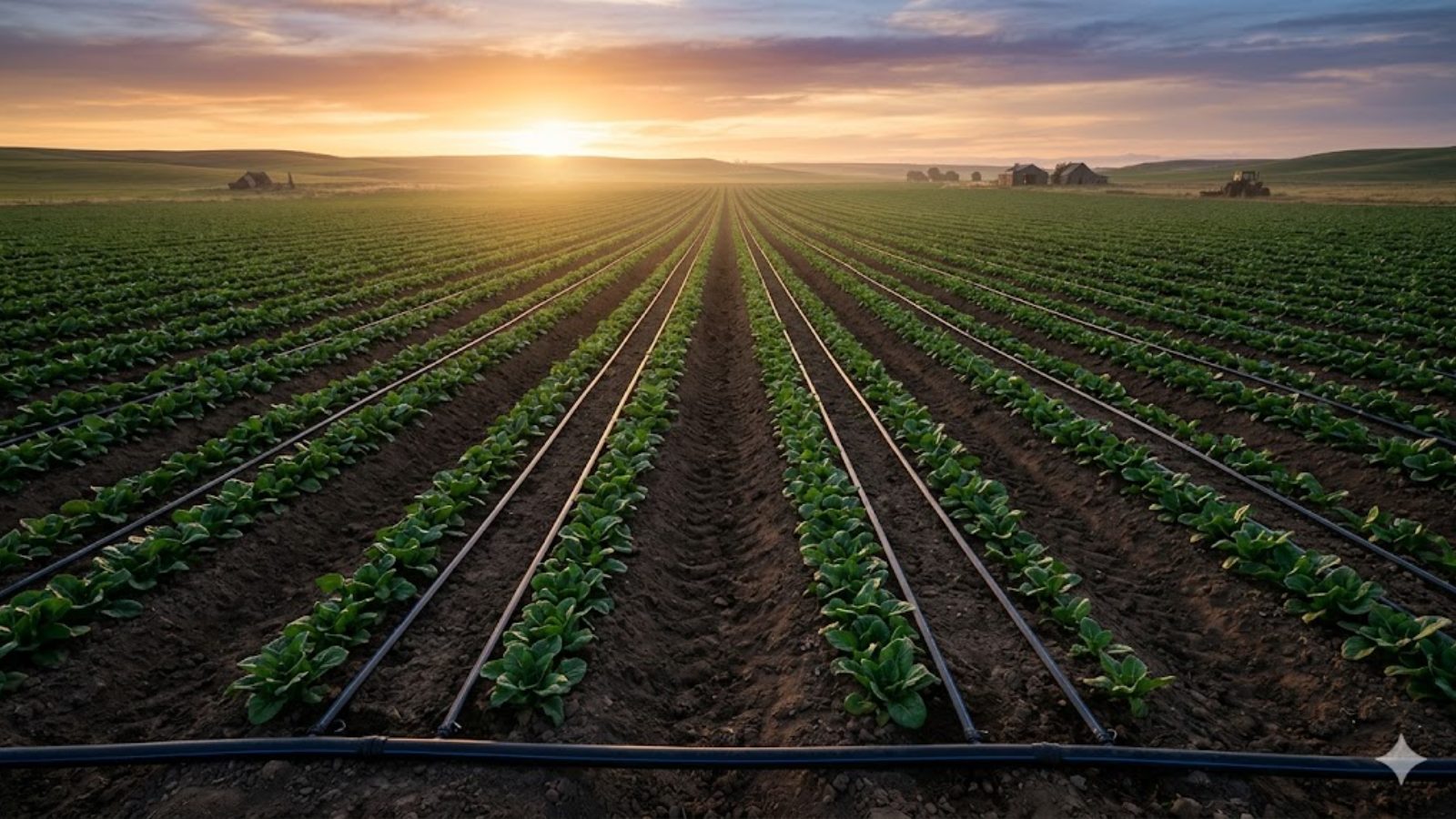
In Frostproof, Fla., where citrus packing houses once crowded the railroad tracks, a junkyard now sells the guts of dismantled juice plants. As greening drove him toward bankruptcy, Philip Rucks branched into blueberries, bamboo and ornamentals; now his nursery propagates trees for one of the fixes.
By Sean Anees Saifi · Capital Wealth · Published Sunday, September 27, 2026 · Source: The Wall Street Journal, September 26–27, 2026 weekend edition, whose market figures are the Friday, September 25 close (Exchange)
Key Points
For 20 years citrus greening, an incurable bacterial disease carried by the Asian citrus psyllid, has made Florida’s oranges drop early and taste bitter. Production — more than 90% of it for juice — is down 95% since the disease arrived; last year another 60,000 acres came out of production — 26% of what was left — and about half a million acres now sit dormant.
The industry shrank around the disease: the workforce fell by more than half between 2003-04 and 2020-21 (University of Florida studies), only four processors of Florida juice oranges remain, from 54 in the 1980s, and orange-juice consumption is down by more than half.
This year the EPA approved two technologies: Soilcea’s Crispr-edited rootstock, thousands of times more resistant to the greening bacterium per the company’s EPA data (approved in April), and Silvec’s virus-delivered peptide for trees already in the ground, which cut bacteria by at least 90% in treated trees. More than a million of the edited trees are growing at Agromillora Nurseries.
Florida is subsidizing growers’ purchases of resistant trees as part of a $330 million, two-year package. Growers meet Sept. 30 to preorder Silvec-treated trees; the inoculated scions are coming out of Philip Rucks’s nursery — but the first juice oranges are two years away.
Rucks, a longtime grower and nursery owner in Frostproof, has made his nursery a working lab for researchers; roughly ten years ago, as greening drove him toward bankruptcy, he diversified into blueberries, bamboo and ornamental plants.
−95%
Florida orange production since citrus greening arrived
60,000
acres out of production last year, 26% of what remained
4 of 54
Florida juice processors left, versus the 1980s peak
$330M
Florida’s two-year package, including tree subsidies
Agromillora’s head grafter says the millions of trees he’s seen come through have all but perished; these are his first real hope in 20 years.
In one line: One crop, one disease: Florida’s orange output is down 95% since greening arrived, and the grower who diversified as bankruptcy loomed now propagates trees for one of the fixes — concentration risk, written in fruit.
Philip Rucks grew up in Frostproof, Fla., and on a recent drive through town, the Journal’s Julie Wernau reports, he gestured at the railroad tracks. Citrus packing houses once crowded them; today the spot is a giant junkyard selling off the guts of dismantled juice plants. “This used to be a vibrant town,” he said. Rucks is a longtime citrus grower and nursery owner, and some ten years back, when a disease called citrus greening had him headed for bankruptcy, he did the thing single-crop businesses hate doing: he planted something else — blueberries, bamboo, ornamentals. He’s still in business. Much of the industry around him isn’t.
For 20 years greening — a bacterial disease spread by a breeze-borne insect that’s hard to control with pesticides — has been plugging the trees’ plumbing, so fruit drops before it ripens and what’s left turns bitter. The state now grows 95% fewer oranges than it did before the disease arrived, and more than 90% of the crop goes to juice. Growers took another 60,000 acres out of production last year — 26% of what Florida had left — and about half a million acres now sit idle. University of Florida studies put the industry’s job losses at more than half between 2003-04 and 2020-21, and only four juice processors remain in the state, down from a peak of 54 in the 1980s.
Two fixes, two years
Two technologies won EPA approval this year. Soilcea’s Crispr-edited rootstock — cleared in April, and the first Crispr crop on the market whose edit exists to beat a disease, according to University of Florida microbiologist Nian Wang — is thousands of times more resistant to the bacterium, per the company’s EPA data. More than a million are growing at Agromillora Nurseries, and head grafter Gary Farmer calls them the first real hope he’s had in 20 years. Silvec’s approval covers trees already in the ground: a harmless virus that keeps producing an antibacterial peptide, which raised peptide levels at least 100 times and cut bacteria at least 90% in treated trees. On Sept. 30 growers meet to place preorders, and the inoculated scions are coming out of Rucks’s nursery; the state is helping pay for resistant trees from a $330 million, two-year package. The first juice oranges are two years away, and nobody yet knows whether the industry can last that long.
Our read
It’s the cleanest concentration-risk story (IN04) we’ve read in months. One crop, one disease, 20 years — and 95% of the output is gone. Freezes in the 1980s, canker in the early 2000s, three hurricanes in a row: each did damage, and none did as much as greening. A shock hits and passes; greening has ground on for 20 years, and a slow grind rarely serves up a single day bad enough to force the decision. Rucks made it anyway, with bankruptcy bearing down on him. Statewide, about half a million acres now sit dormant, and other old groves went to cattle or development.
The same shape shows up in portfolios and careers: the employer stock that dominates the retirement account, the practice with one referral source, the household with one earner in one industry. Diversifying feels like a betrayal of the thing that made you — blueberries in citrus country — so it’s better decided on a calm day than on the brink, where Rucks had to decide it. The science is hopeful, but the first juice is two years out and orange-juice consumption has more than halved, so it’s a story to follow, not a thesis. If one line on your balance sheet is 20 years of your life, spend fifteen minutes with the statement asking what your blueberries would be.
What It Means For Your Portfolio
Hold — diversify before the trend forces it
No portfolio action — the position is a principle: the slow, 20-year disease did more damage than any single shock, and the defense against a slow decline is to diversify before it forces your hand.
General planning principles, not advice for anyone in particular. Concentration risk doesn’t always announce itself with a crash; sometimes it arrives as a trend, one bad season at a time, and the decision to diversify never feels urgent until it’s late. Name the one thing your income or portfolio depends on most — an employer, a stock, a client, a crop — and decide now what the blueberries would be.
Two EPA-approved technologies and a $330 million state package are real progress, but the first juice oranges are two years out and consumption has more than halved, so the industry’s rebirth is a story to follow, not a bet to make. The companies behind both fixes are private and much of the science came out of universities; there’s no ticker to chase, and that’s the point.