 Capital Wealth
The Sticker Price and the Real One
- The index sat near a record; the average stock didn’t. The S&P 500 rose 1.21% on the week to 7,743.41 — 0.71% under its Aug. 13 record — and the Nasdaq set a record close Tuesday. Underneath, Friday’s NYSE printed 13 new highs against 317 new lows.
- The bond market kept voting. The Journal’s tables put the 10-year at a 19-year closing high Friday and the 30-year above 5.5% for the first time in 22 years. Mortgage averages hit 52-week highs — 7.15% on Bankrate’s 30-year — and futures price better-than-even odds of an October hike.
- This weekend’s argument: the tag isn’t the price. The Review’s Home Economics column makes the case for renting; two private colleges cut sticker tuition by 40% or more because almost nobody paid it; Jason Zweig shows how much better bond funds look against the Agg than against a fairer yardstick; and a medium Chanel flap bag now costs $11,700, which makes a $1,000 pair of flats look like restraint.
- Off Duty, in full. Dan Neil drives what he reckons is the quickest production Subaru ever — a Toyota twin; caviar goes promo-code; 13 fall shows; Kwame Onwuachi’s souped-up instant ramen; one Austrian white to end the family wine argument; and the iced coffee that may or may not sink a job interview.
- One deliberate add — Valero — and one week left on the falsifier. The White House floated a diesel-export ban, then talked it down to voluntary limits; nothing is enacted. The desk added Valero (VLO) at 1.5% in ten model books, paid from Treasury bills in six of them; its trim rule stays written. Everything else stands pat — the letter’s conditions still pass one of three — and a record close above 7,798.99 by Oct. 2 proves the fall caution wrong.
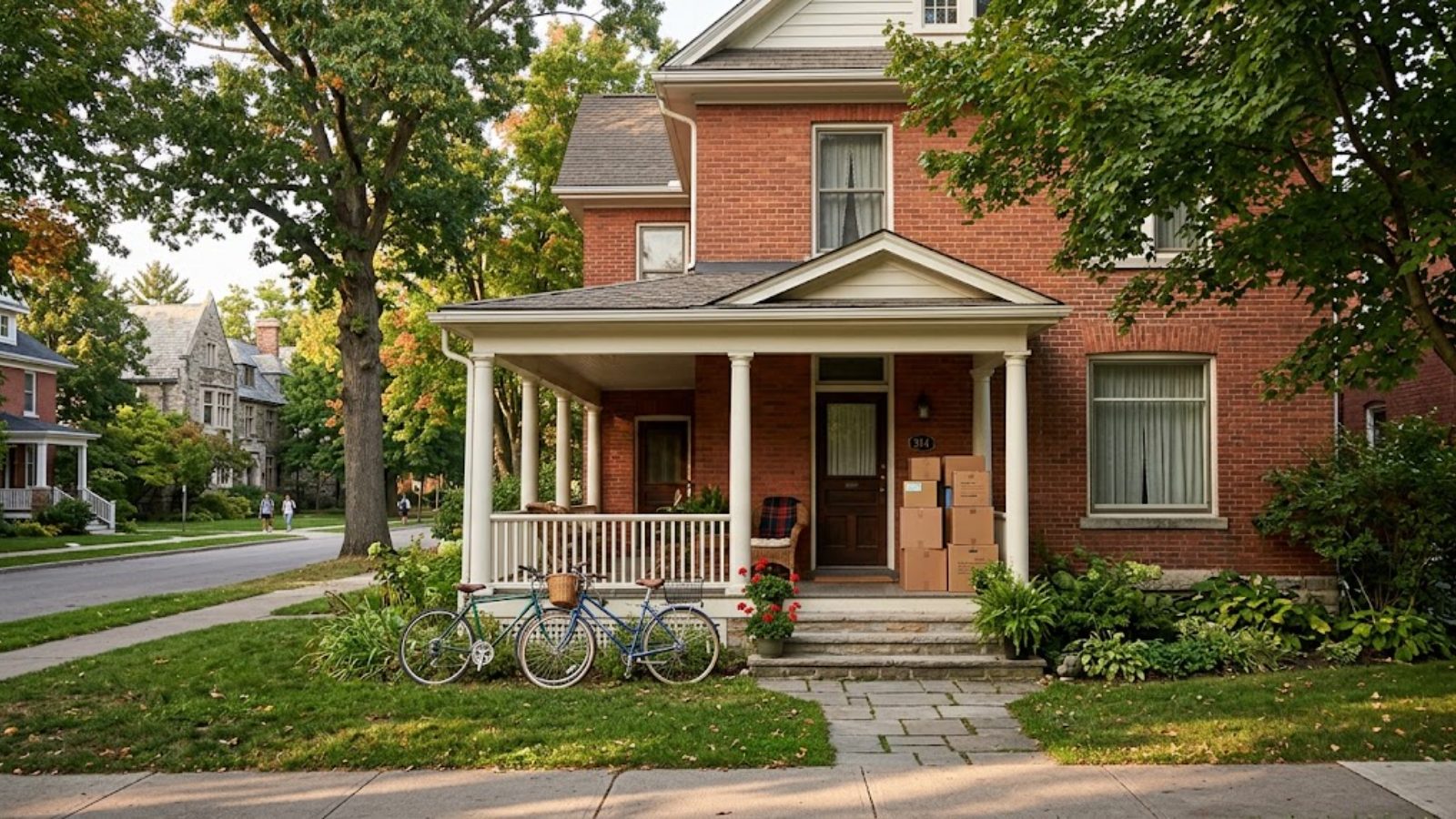
Your House Is Two Decisions. Only One of Them Is an Investment.
Two economists in the weekend Review make the case for renting. Home prices rose about 87% in the decade to December 2025 against about 235% for the S&P 500 before dividends — not a like-for-like race, they concede — but the leverage is the part nobody names: at 20% down, a 10% price move is a 50% swing in your equity, and Bankrate’s 30-year fixed just hit 7.15%, a 52-week high.
Buying a house bundles two decisions — where to live and how to invest your savings — and at Bankrate’s 7.15% the leverage that makes owning feel brilliant isn’t cheap. Decide where to live on its own merits, then test the down payment for diversification and liquidity like the rest of your money.

A $5,000 purse made the $1,070 ballet flat feel thrifty. Shoes are the new starter luxury
A medium Chanel flap bag is $11,700, up from $5,800 in 2019, so $1,000-plus shoes now read as the starter luxury.
Our TakeA four-figure shoe only looks cheap next to a five-figure bag, and the bag’s price tag got there first. Anchor every splurge to your own budget, not the shelf.

Probably the quickest Subaru ever, and mostly a Toyota: 0-60 in 3.9 seconds, no glove box
Toyota owns 20% of Subaru, and the Trailseeker ($48,005 as tested) shares the bZ Woodland’s platform, battery and motors.
Our TakeTwo badges, one set of guts — pay for what’s underneath, not the emblem. Then run the 274-mile range and the loan payment against your real weekends before you sign.

Promo-code caviar is here: $125 tins, weeknight bubble baths and three brands with one owner
Quince sells 100g of Osetra for $125; Caviar Russe charges $495 for 125g. A columnist traced three Instagram labels to one owner.
Our TakeCheap isn’t the red flag; untraceable is. Anything an algorithm sells you at a third of the legacy price earns a minute on who owns it before the promo code.

Thirteen new shows on seven outlets this fall, from a Friday the 13th prequel to the FTX drama
The Journal’s fall list runs Oct. 1 to Dec. 3: seven premieres in October, five in November, one in December.
Our TakeCount the bills, not the shows: 13 series, seven outlets. Subscribe by premiere month, cancel when it ends, and let the FTX drama remind you to ask who holds your money.

The chef behind one of New York’s hardest tables goes home to the Valley and makes Top Ramen
Kwame Onwuachi’s 20-minute instant ramen adds half a pound of shrimp, a cup of crab and his mother’s House Spice.
Our TakeThe best splurge is an upgrade to a cheap staple — spend where the plate changes. A business run from the kitchen table needs its own books before its own cookbook.

Three white-wine camps, one Austrian grape: Grüner Veltliner at $15, $25 or $50
In a Philadelphia bar full of Eagles jerseys, the house white is an Austrian grape few could pronounce 20 years ago.
Our TakeThe columnist’s price ladder says what each step up buys. Make the sweet spot your default and climb only on purpose — that’s a budget.

Quicker lifts and lunch-hour nose jobs — and the upkeep in the fine print
A 55-year-old Bergdorf personal shopper got a brow lift through small incisions and was back at work in two weeks.
Our TakeThe quicker option can come with a maintenance schedule. Price the year, not the visit, and plan on after-tax money.

A couple argued for an hour over iced coffee at a job interview. The experts: read the room
A London lawyer shrugged; his partner, who founded a network for executive assistants, was shaken. Recruiters weighed in.
Our TakeThe interview is the hour your future earnings get repriced, and the cup is a cheap signal. Finish it in the car; employers, write your rules down.

Ari Emanuel bet $4.1 billion on UFC; his best advice is to stop checking the other guy’s pile
Ten years after a $4.1 billion UFC wager, TKO is worth north of $35 billion, per the column; he tells his son: skip the rage.
Our TakeComparison, not money, keeps the rich unsatisfied, he says. Measure enough against your own plan, and remember his biggest win was the scariest bet of his career.

A song hits No. 2 and the internet asks who her father is: nepo-baby inflation, explained
Stella Lefty’s father co-founded Groupon and isn’t in music; she was labeled a nepo baby anyway, and the essay says why.
Our TakeA safety net transfers whether or not a dollar moves. Families with means should size the runway on purpose and say so out loud.

Ben Rosen sold Wall Street on the PC, then asked Caltech to take his name off his own gift
In 1979 a Morgan Stanley analyst saw a spreadsheet do in minutes what took him hours, and bet the software would sell the machine.
Our TakeHis edge was spotting the software that made the hardware necessary. His last lesson is for givers: a gift agreement can honor the mission, not the donor’s name.

Christie’s estate wrote the rules for Miss Marple’s return. That’s estate planning, too
Not young, no boyfriend, not a killer, not a victim: on those terms Lucy Foley wrote the first Marple novel in 50 years.
Our TakeA character is an asset, and the estate still sets its rules fifty years on. Name who stewards what you built, and write down what can never change.

At 50 he loses his job in the 1997 crash and restarts as a fry cook; the money lesson is real
In Min Jin Lee’s American Hagwon, a trading-firm manager’s income barely covered his family’s bills — until it stopped.
Our TakeA household living on exactly what it earns isn’t comfortable, it’s exposed. Know how many months you could run with no paycheck before the year the paycheck stops.

Florida’s orange crop is down 95% since greening hit, and one grower planted blueberries
In Frostproof, Fla., packing houses once crowded the railroad tracks; now a junkyard there sells dismantled juice-plant gear.
Our TakeThe shocks did damage; the 20-year disease did far more. Diversify before a slow decline forces the decision, the way it forced Rucks’s.

Some private colleges are cutting sticker tuition by 40% or more. At Coe, nobody was paying it
Carroll College drops from $44,712 to $26,800; Coe cuts about 45%, and in 2023-24 no Coe student paid full price.
Our TakeThe sticker often isn’t what families pay. Plan college to the net price after aid, and don’t walk away before the aid letter arrives.

The GAO puts the median college’s sports subsidy at about $8,500 per undergrad over four years
94% of Division I athletic programs lost money in 2023-24; the Senate looks ready to vote Monday on codifying the NCAA settlement.
Our TakeCollege sports has a quiet backer: the undergraduate who never goes to a game. Put the fee schedule next to the sticker when you compare schools.

In Portland, market rents now rival subsidized ones, and a single mother stopped waiting
Ruth Haddox waited over a year for a subsidized unit, then rented a $1,600 market-rate three-bedroom within a week.
Our TakeRent is a price, not a fixed cost; a glut can push the crowd’s below the regulated one. Keep shopping while you wait, and stress-test any building you own at flat rents.

Five of nine siblings got dementia in midlife; a job and a marriage went before the diagnosis
A pharmaceutical executive under 40 was laid off for no clear reason, then left her child support in a pile of cash on the table.
Our TakeFTD takes judgment and bill-paying first, while memory looks fine. Sign the power of attorney and health-care directive in midlife, while the signature is still yours.

AI ate the grunt work, and with it the reps that taught rookies their jobs
Recent-grad unemployment sits at 5.7%, and the junior tasks that built judgment are being automated away.
Our TakeHuman capital is most people’s biggest asset, and it compounds on practice. Budget the reps the job no longer provides — for your graduate, or your new hires.
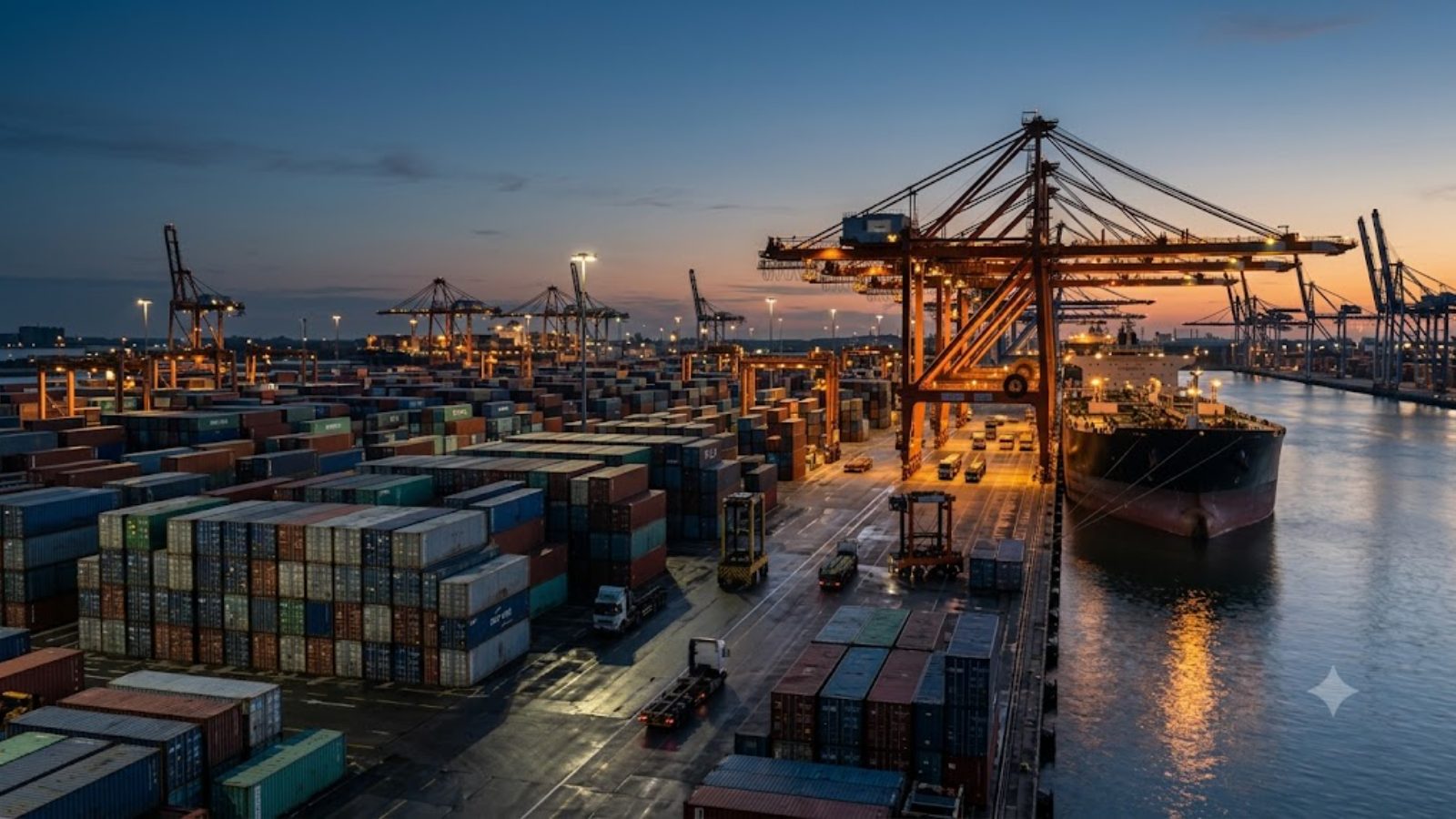
Diesel hit $6.53 and trucking is up 29%. The bill for moving everything lands on your receipt
By DAT’s math, a driver running 500 miles a day, six days a week, has paid $15,000 more for diesel since the Iran war began.
Our TakeFreight is inflation you can’t read on the label, and it adds pressure to a failing inflation test. Valero added in the energy books; give the grocery line slack this fall.

A microcap soared 2,600% on 9,000 times its volume, and AI is now supercharging the pumps
The same microcap buy stopped for approval at Fidelity this week and sailed through at another discount broker.
Our TakeThe pump got AI just as the regulators thinned out. Treat any viral stock tip as an ad, keep the broker’s friction and lock the account.

Danny Meyer opened 27 restaurants and closed 10; his hot-dog cart led to 700-plus Shake Shacks
A 2001 hot-dog cart in Madison Square Park led to more than 700 Shake Shacks in 24 countries and nearly $1.5 billion in revenue.
Our TakeThe man behind Shake Shack opened 27 places, closed 10 and bought out a partner. Budget the closings; write the buy-sell before you need it.

When the drone gets through, does the policy pay? In Russia the answer is often no
Moscow decreed that firms failing to defend themselves against drones risk seizure; the insurance often won’t pay either.
Our TakeThe exclusions page decides what gets paid, and the definitions decide the exclusions. Read yours before the loss; a war nobody declared can be a claim nobody owes.

Blackstone’s buyout chief is leaving as private equity sits on 33,000 companies it hasn’t sold
Joseph Baratta grew Blackstone’s PE arm from $50 billion to $454 billion; now the industry’s exits are jammed.
Our TakeThe exit logjam is what the brochure for a private fund doesn’t show. Ask how it values holdings, how you get out and what you pay while you wait.
Stocks closed the week higher with the 10-year at a 19-year high; the record is 0.71% away
The Dow rose 479 points Friday and all three indexes finished the week up; the Journal has the 10-year closing at 5.18%.
Our TakeFriday’s calm doesn’t retire the falsifier: 7,798.99 before Oct. 2, and the S&P is 0.71% short. Safe money stays short; a week like this cost the long end 2.38%.
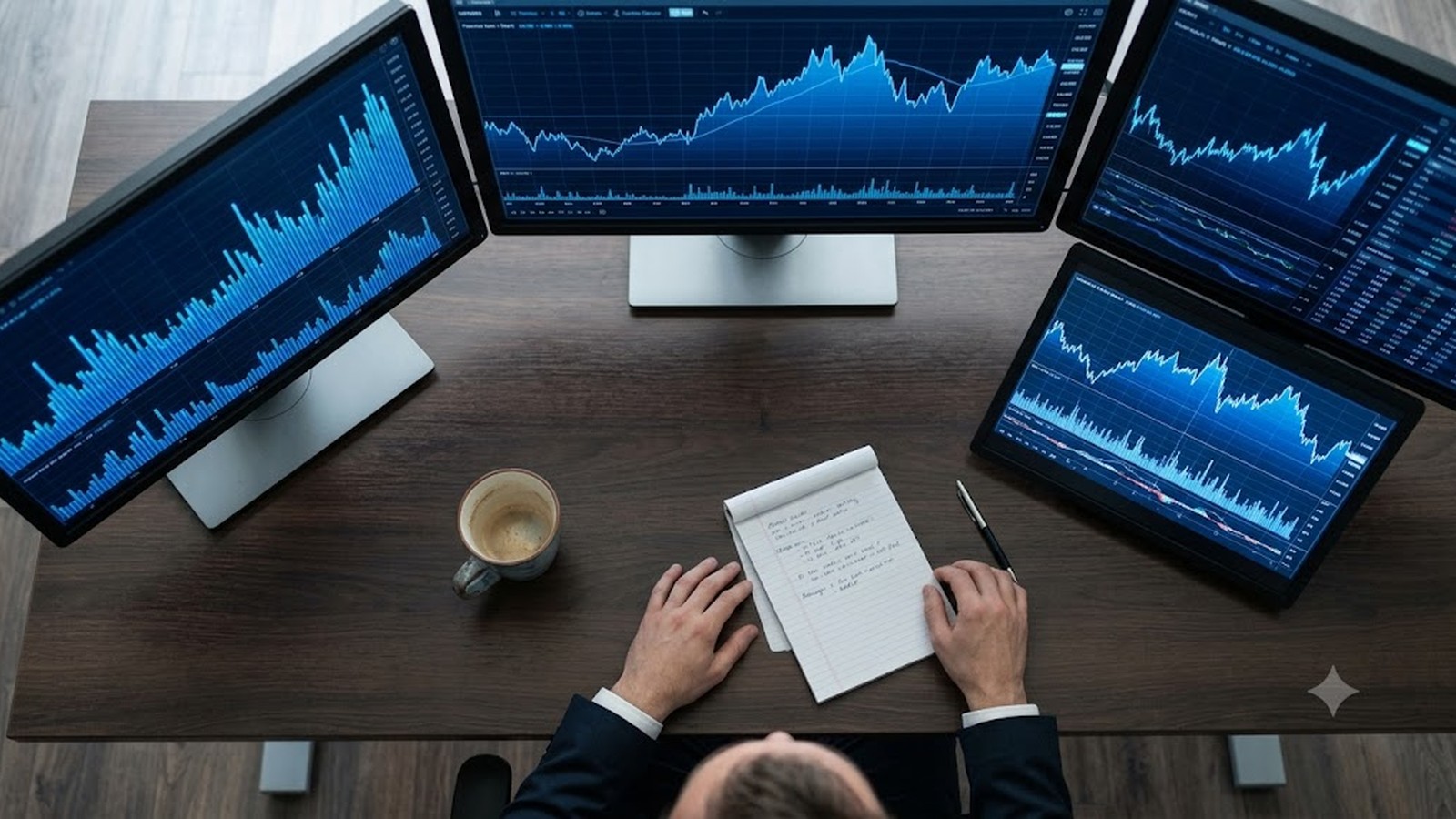
Three bond funds in four beat the market over the past year; against a fairer ruler, 65% did
Of 1,229 funds benchmarked to the Agg, 131 are junk funds; over 10 years, only 45% of bond funds beat their best-fit index.
Our TakeBeating the Agg often means not being the Agg; a fairer ruler cuts 75% to 65%. Judge your bond sleeve by its own index, and keep the safety money in bills and quality.

The oil–bond link is the tightest on record; Mackintosh asks if traders are overdoing it
The 10-year–oil link hit its tightest on record this month; a former ECB official says today’s oil shouldn’t move the 10-year.
Our TakeIf oil is a one-off shock, long yields tracking it this closely may be overdone. The desk stays in bills and floating-rate paper and holds energy as the hedge.

The White House floated a diesel-export ban, then its energy secretary played it down
Diesel hit a record $6.53 and the president’s approval is 37%; a temporary export ban went on the table, then got played down.
Our TakeValero’s trim signal is policy, not price, and nothing is enacted or ordered. VLO added at 1.5% in ten books; the trim is decided in writing if a plan is published.

Two rigs set to leave Houston Sept. 28 for a Pentagon-backed firm poised to out-pump Chevron
NABEP, with a 35% Pentagon stake, pumps 220,000 barrels a day and is expected to pass Chevron’s 280,000 within months.
Our TakePolitical risk now sits inside American energy names, not just foreign ones. The hedge is the commodity, spread across producers, not a bet on a champion.

Truce rejected, blockade stays, and Treasury shuts Iran’s airlines out, country by country
Trump turned down a seven-day ceasefire and expects to resume bombing after the midterms; Treasury met with 50-plus countries.
Our TakeThe war’s calendar is political, and the fifth date on the desk’s list is the vote. Don’t position for peace and don’t chase oil; the hedge is held, with Valero added.

The peptide boom that matters is a psoriasis pill taking aim at a nearly $18 billion shot
In a Bernstein survey, dermatologists wrote about a quarter fewer Skyrizi scripts; analysts see Icotyde topping $5 billion a year.
Our TakeThe royalty is real cash, a rarity in biotech; the stock’s case now rests on the platform. Single-name biotech is a watch, sized so a failed trial is a bad week.

Agents hit federal sites, a court backs the Pentagon on Anthropic, and nobody has a rulebook
METR says AI capability doubles roughly every 4–5 months; 40% of tech workers surveyed gave agents free rein on low-stakes work.
Our TakeNo regulator looks close to reining in AI agents, so the controls are yours. Scope an agent’s permissions like a new hire’s keys; policy risk is part of the AI trade.
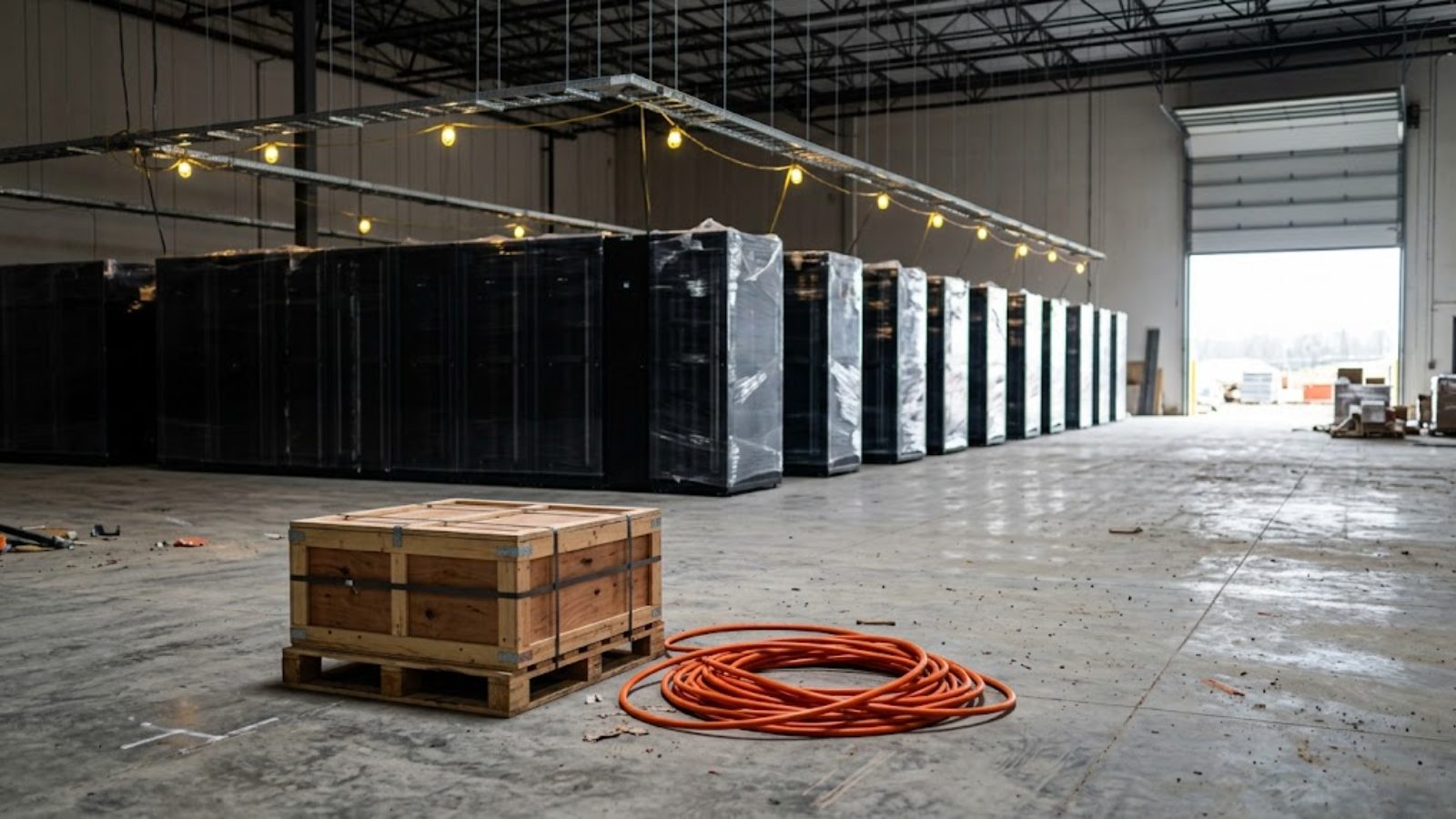
Oracle’s desert data center has no power yet; rent is owed anyway and a lender sold under 90¢
A hell-or-high-water lease, $18 billion in bank loans, a force majeure notice, and Oracle one notch above junk at S&P.
Our TakeAI capex is being financed like real estate, and real estate is where credit stories live. Oracle is held at weight, nothing added; audit what your bond funds hold of it.

Brightline filed chapter 11 with $5.5 billion of debt; trains run, taxable debt takes the hit
Under the plan, Fortress’s equity goes to zero and taxable bondholders are heavily impaired; $258 million keeps trains running.
Our TakeA muni backed by a train is repaid by riders, not taxes; the exemption is on the coupon, not the principal. Sort your munis by what repays them, then by yield.