Every formal photo of Richard Avedon's family had a dog in it. The family never owned a dog. They borrowed one for the picture. The boy in those photos grew up to be one of the best-known photographers of his century.
That memory is one of the most personal moments in Avedon, a new documentary directed by Ron Howard. It arrived on Netflix (NFLX) on Wednesday, Nov. 11. John Anderson, the Journal's TV critic, reviewed it in that day's paper and calls it irresistible. He takes a simple lesson from the borrowed dog. The boy saw young that the picture is what counts.
Avedon was born in New York and went to high school with the writer James Baldwin. He made his name in high fashion. His best-known picture may be Dovima With Elephants, from 1955. It puts a model in a Christian Dior gown next to elephants. The film keeps coming back to it. Magazine ads were stiff before him. He gave them energy and kept them elegant.
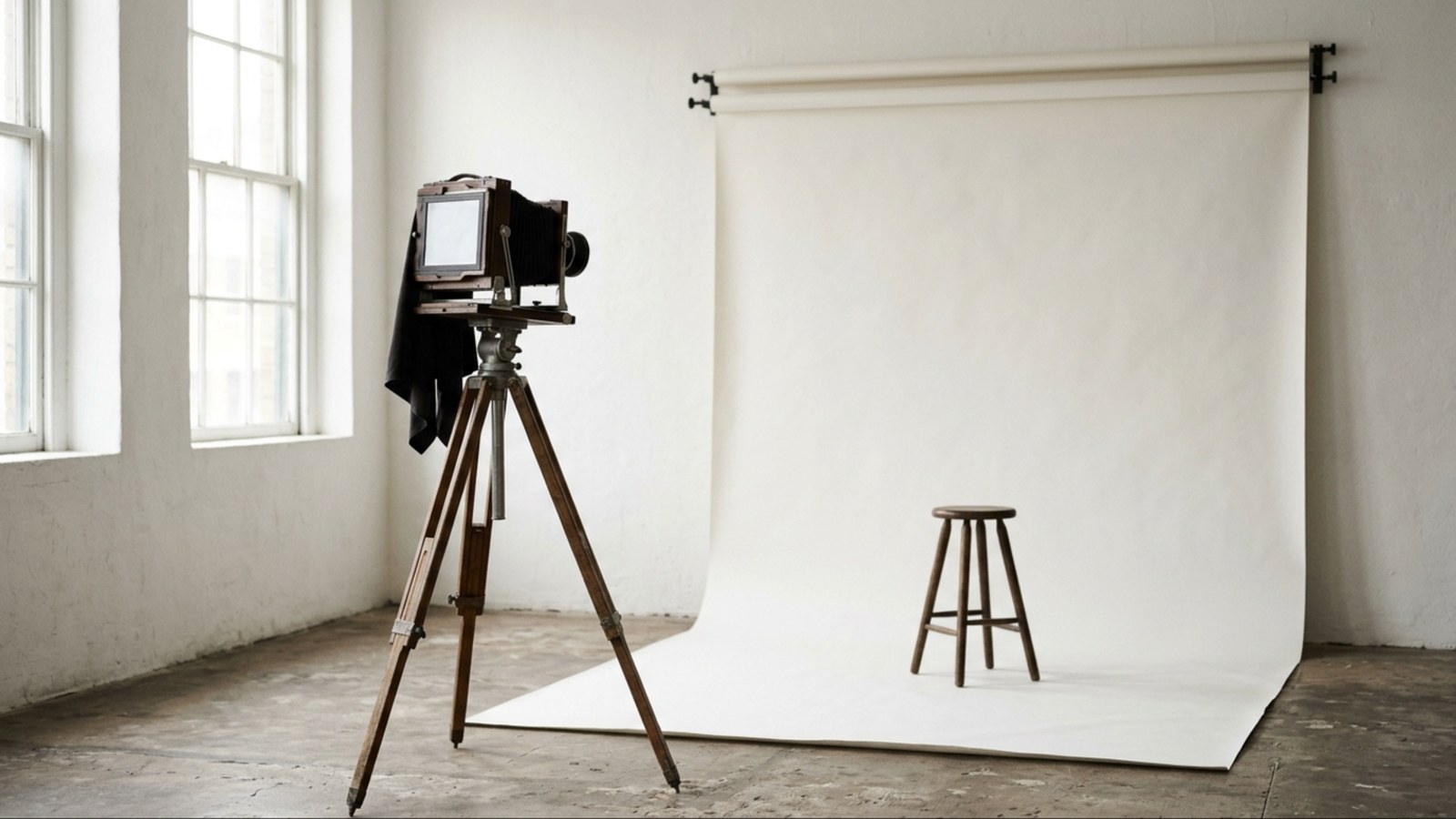
The white sheet
Then there are the portraits. He put people in front of a plain white sheet and showed them as they were. Toni Morrison, Truman Capote and a sad Marilyn Monroe all appear. He could be ruthless about it. He wanted a certain look from the Duke and Duchess of Windsor. So he told them his taxi had just hit a dog. Later he turned to politics and to the people of the American West. In 1992 he became the New Yorker's first staff photographer. He died in 2004 at 81.
Models who worked with him speak in the film. Twiggy, Lauren Hutton and Isabella Rossellini are among them. So is his son. So is his dealer, Larry Gagosian, who talks about Avedon the businessman. He says a print of the Dovima picture once sold for $2 million. Anderson has one complaint. He wishes the film explained why the pictures hit so hard.
Our read
We file this one under Estate, with a Behavioral note. The Behavioral part is the borrowed dog. A picture can show a life the family didn't have. A big house or a new car can do the same thing. The Estate part is the print that sold for $2 million. His dealer talks about Avedon the businessman. Work that's signed, dated and cared for can keep its worth long after the artist is gone. A shoebox of loose prints is a puzzle for the heirs.
Here's the tie to your own plan. Think about your family's photos and the things you've made or collected. Most estate plans cover the house and the accounts. Few say who keeps the albums, the art on the wall or the login to the photo account. This week, write one page that says where those things are and who should get them. Put it with your estate papers. A review is a good time to check that the page and the will agree. Label the pictures while someone still knows the names.