A maintenance worker at a Tyson Foods (TSN) plant in Utah opened his email in August. He was hoping for news about a promotion. He found a note from the chief executive. The plant was closing.
The plant cost $300 million and was only five years old. It didn't slaughter cattle. Its machines helped workers cut and pack beef for grocery stores. Patrick Thomas gave the reason on Page One of the Wall Street Journal on Wednesday, Nov. 11. There aren't enough cattle.
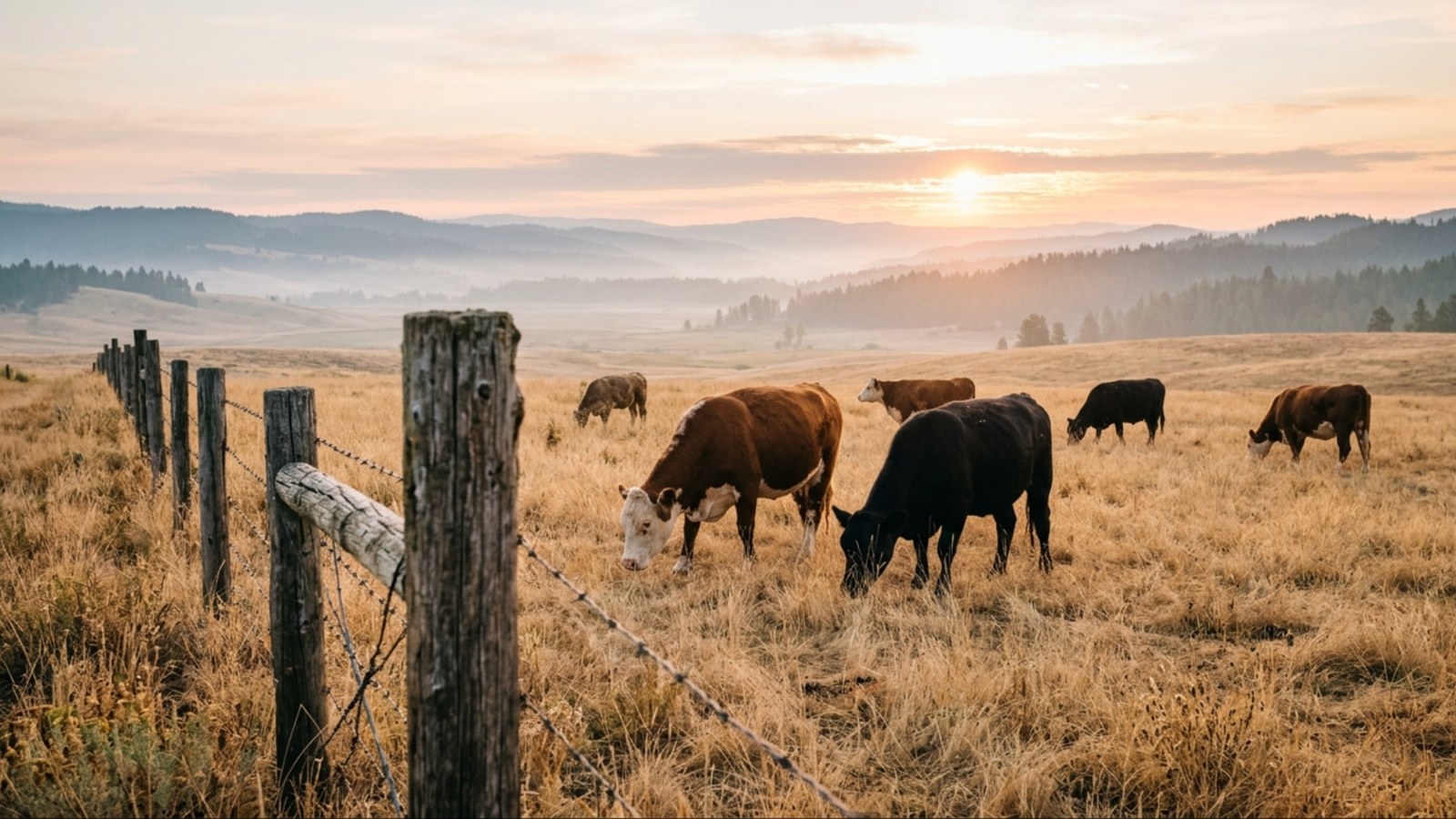
The U.S. herd is the smallest in 75 years. Drought and high costs pushed ranchers to sell cows. Rebuilding is slow. A beef animal takes roughly 18 to 22 months to reach market weight. "We'll be lucky to start gaining cattle in four years," one auction owner told the paper. So the Journal says record prices for steak and hamburger could last well into the next decade.
A $13,601 bull
You can see the shortage at the auction. At one California sale, the average bull sold for $13,601 this year, a record. It was $10,482 last year and $7,874 in 2024. Ranchers who held on are making about $1,000 a head. Meatpackers are losing about $100 on each animal. JBS, the world's largest meat company, reported a $32 million loss in its beef business because of the cattle shortage.
Washington has turned to imports. They're headed for a record 20% of the U.S. beef supply this year, by the Agriculture Department's estimate. A plan to let in 300,000 metric tons at a discount hasn't done much so far. The American Farm Bureau Federation says it cut prices by "a few cents at some grocery stores." And food prices as a whole rose 0.5% in October alone, the Labor Department reported.
Our read
This is Cash Flow (M5). A raise comes once a year. The grocery bill changes every week. When one item climbs for years, and no rancher can fix it in a season, the family budget has to move. Most families already do this without a spreadsheet. They buy ground beef in place of steak. They cook chicken, beans or lentils two nights a week. They fill the freezer when a store runs a sale. That's just paying attention.
One check for this week. Pull three months of bank or card statements and add up the grocery line. Compare it with the same three months last year. If it grew faster than your pay, the gap came out of something, and it's usually savings. Raise the budget number to what you really spend, then decide what gives. These are general planning principles, not advice. A budget built on last year's prices is a map of a town that has moved. If you'd like help redrawing it, bring the statements to a review.