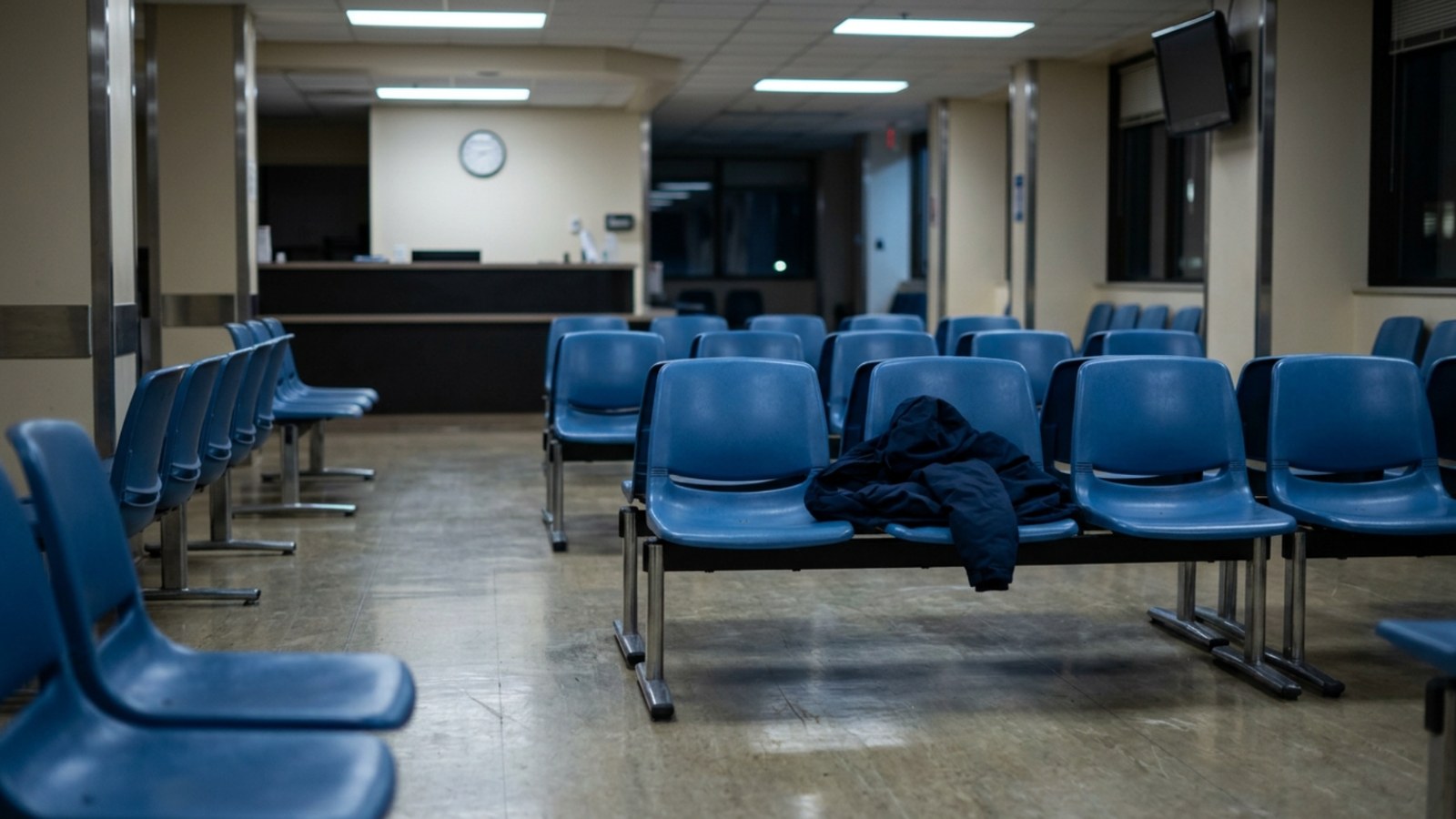
A man with no insurance walks into an emergency room. The hospital treats him anyway. Often he can't pay the bill. So a hospital earns more when more of its patients have coverage. Since the midterm elections, investors have been betting that more of them soon may.
David Wainer laid it out in the Wall Street Journal's Heard on the Street column on Thursday, Nov. 12. Shares of HCA Healthcare (HCA), Universal Health Services (UHS) and Tenet Healthcare (THC) are all up sharply since the election. Universal Health rose the most, over 10%. Democrats are taking over Congress, the column noted, and they've promised lower healthcare costs. No part of the system costs more than hospitals. You might expect their shares to fall. They rose.
It comes down to who has insurance. Last year's tax law cut Medicaid, and the enhanced Obamacare subsidies lapsed. Democrats want both reversed, Wainer wrote. Many analysts expect President Trump to veto that. One policy analyst sees a chance of a trade, with subsidies restored in exchange for drug-pricing measures. Nothing has passed. This is a bet on a deal that doesn't exist yet.
The bigger prize
States tax hospitals to help pay their share of Medicaid. That draws more federal money, and some of it flows back to the hospitals. Wainer compared it to "handing over one candy and getting two back." The tax law squeezes those payments. The big changes start in 2028. Michael Ha, an analyst at Baird, thinks hospitals are likely to win some relief. He called the odds "better than even." He estimates HCA gets about 15% to 20% of its earnings from these arrangements. The rally has left hospital shares pricier than their long-run average. Investors have already paid for part of the good news.
Our read
This is Health Costs and Insurance (M11). We have no view on the policy, and we won't guess what Congress does. For the stocks, the lesson is plain. A price that already counts on a deal can fall if the deal doesn't come. HCA Healthcare is held at weight in 4 of our model books, and nothing was added. Universal Health and Tenet aren't held.
The same question reaches your kitchen table if you plan to retire before Medicare starts. In those years you may buy your own plan on the health insurance marketplace. The subsidy decides much of the premium, and the subsidy depends on your income. So do this check before you pick a retirement date. Go to the marketplace's calculator and enter the income you expect in your first retired year. Write down the premium with the subsidy rules as they stand now. Write down the full price too, with no subsidy. Build the budget on the first number. If the rules get more generous later, that's a bonus. These are general planning principles, not advice. You pack the raincoat before you check the sky. We're glad to run both numbers with you at a review.